Skip to content

The Passwordless Future Is Here at NordPass

You lightly place your thumb at the bottom of your phone screen and, lo and behold, it’s unlocked instantly. So why can’t we do the same at the bank or when logging in to Twitter or YouTube? Well, soon we’ll be able to do it all. The passwordless future is inevitable and it’s almost here.

At NordPass, we’re thrilled to be creating a passwordless future. But what is passwordless authentication? How does it work? Let’s answer these questions.

Why should we consider going passwordless?

Year after year, we see either “123456” or “password” top our Most Common Passwords List. Millions of people reuse absurdly simple passwords across multiple platforms, even though they are very easy to crack by using a dictionary or brute force attacks. It makes passwords (and the people using them) one of the weakest links security-wise in any company or service.

Weak passwords are just part of the problem. The way we treat passwords is an issue as well. One of the worst password sins that all of us can attest to is reusing passwords. Having a single password to secure multiple accounts is a huge security risk, to put it mildly. In such instances, a single compromised account indicates that all of user’s accounts are essentially compromised as well.

The solution lies in biometric authentication and passkeys, which combined become one of the safest and smoothest passwordless authentication options available.

Passkeys: The key to passwordless authentication

In an age where technology usage continues to rise, the need for secure and efficient authentication methods becomes all the more pressing. Passwords, which have long reigned supreme as a solution for securing online accounts, have over time proven to be unreliable and susceptible to hacking. In turn, many organizations and companies have been looking for new, more efficient, and robust ways to authenticate users.

One organization at the forefront of the effort to go passwordless is the FIDO Alliance. The alliance works with various companies, including NordPass, to develop and promote open standards for passwordless authentication.

According to the FIDO Alliance, the technology set to replace passwords is passkeys. Passkeys are digital credentials that are generated by the user’s device. Usually used in combination with biometric data, such as a fingerprint or facial recognition, to offer an extra layer of security, passkeys provide access to websites and other online services.

What passkeys bring to the table

One of the major advantages of passkeys is that the private key, which is used to generate the passkey, never leaves the user’s device. This makes it almost impossible for attackers to gain access to the key through phishing or other forms of cyberattack. Furthermore, passkeys are almost impossible to hack, making them more secure overall.

quotes

Unlike traditional passwords, passkeys are invisible to the user and are never revealed or entered manually.

Going passwordless will also improve user experience. A fingerprint scanner, for example, is a fast and reliable authentication method. It would also mean that there would be no more password reset procedures — IT departments throughout the world will be very grateful. Also, when it comes to biometric authentication, you don’t need to remember anything. You won’t have any Post-its on the computer screen or notes in your planner. You can’t lose, steal, or forget your fingerprint.

Room for improvement for current passkey-based authentication

Right now, passwordless authentication is gaining major traction among such tech giants as Microsoft, Apple, and Google. All of these companies have been introducing passwordless authentication solutions, and in most instances the solutions include the use of passkeys.

However, current passkey-based solutions have a long way to go. At the moment, these solutions limit users to a single ecosystem, which makes it difficult to share them between, say, an Android user and an iOS user. In addition, the current solutions do not offer any kind of sync with password managers.

But this is where NordPass comes into play. We are currently working on integrating passkeys into your favorite password manager.

Introducing passwordless authentication to NordPass

At NordPass, we’re excited to be at the forefront of the passwordless revolution. And by early 2023, NordPass is set to introduce passwordless authentication both for individuals and businesses.

Passwordless access to NordPass

We are currently working on enabling a passwordless sign-in to NordPass. It will be a faster and simpler process than the one now, since it will require a single biometric confirmation. In simple language, this means that you will be able to access your Nord Account and NordPass with a single tap of a finger. You read it right. No more manually entering your Nord Account and Master Password each time you need to log in. Passwordless access to NordPass is set to significantly improve user experience and overall security.

NordPass passkey storage

All NordPass users will have the ability to save passkeys for any website or app in the encrypted vault and use them to access those online services later. With NordPass, you’ll be able to use, share, and sync passkeys between multiple devices and platforms, whereas many passwordless authentication solutions tend to lack such functionalities. This will make NordPass a single place for all of your digital valuables, including passwords, passkeys, credit cards, and other sensitive information.

Passwordless multi-factor authentication (MFA) for businesses

Password-based authentication is still the industry standard. However, due to the inherent vulnerabilities that come with password-based authentication, most businesses face a variety of cybersecurity risks. To significantly reduce the risk of suffering a phishing or an account takeover attack, businesses need to rethink their security approach with regard to access to endpoint devices such as laptops, desktops, workstations, and mobile devices as well as applications that leverage regular passwords or even single sign-on solutions.

With the introduction of passwordless MFA, we’re looking to help businesses improve their overall security stance by eliminating the need for passwords and introducing an authentication method based solely on biometrics.

Passkey integration for online service providers

The world is already moving rapidly towards a passwordless future. Unfortunately, not everyone can adapt smoothly and efficiently. Many small to medium-sized businesses (SMBs) lack the resources and know-how to implement passkey authentication for their users. However, at NordPass we’re ready to leverage our security expertise to make the transition from passwords to passkeys as smooth as possible. We believe that the frictionless user experience offered by passkeys across multiple platforms and devices, combined with superior security, will help your business increase conversion rates, user engagement, and user satisfaction.

You can expect big things as early as 2023. So stay tuned, and be prepared for the inevitable passwordless future – it’s just around the corner.
About Version 2 Digital

Version 2 Digital is one of the most dynamic IT companies in Asia. The company distributes a wide range of IT products across various areas including cyber security, cloud, data protection, end points, infrastructures, system monitoring, storage, networking, business productivity and communication products.

Through an extensive network of channels, point of sales, resellers, and partnership companies, Version 2 offers quality products and services which are highly acclaimed in the market. Its customers cover a wide spectrum which include Global 1000 enterprises, regional listed companies, different vertical industries, public utilities, Government, a vast number of successful SMEs, and consumers in various Asian cities.

These days, cybercrime is rampant. It’s no longer a matter of “if” you’re going to suffer an attack but “when” it will happen. All companies want to be ready for any crisis. And this is where a business continuity plan comes into play.

But what is a business continuity plan exactly? Why is it important? What should one include? Today, we’re exploring all these questions in-depth.

What is a business continuity plan?

A business continuity plan (BCP) is a document that sets guidelines for how an organization will continue its operations in the event of a disruption, whether it’s a fire, flood, other natural disaster or a cybersecurity incident. A BCP aims to help organizations resume operations without significant downtime.

Unfortunately, according to a 2020 Mercer survey, 51% of businesses across the globe don’t have a business continuity plan in place.

What’s the difference between business continuity and disaster recovery plans?

We often confuse the terms business continuity plan and disaster recovery plan. The two overlap and often work together, but the disaster recovery plan focuses on containing, examining, and restoring operations after a cyber incident. On the other hand, BCP is a broader concept that considers the whole organization. A business continuity plan helps organizations stay prepared for dealing with a potential crisis and usually encompasses a disaster recovery plan.

Importance of business continuity planning

The number of news headlines announcing data breaches has numbed us to the fact that cybercrime is very real and frequent and poses an existential risk to companies of all sizes and industries.

Consider that in 2021, approximately 37% of global organizations fell victim to a ransomware attack. Then consider that business interruption and restoration costs account for 50% of cyberattack-related losses. Finally, take into account that most cyberattacks are financially motivated and the global cost of cybercrime topped $6 trillion last year. The picture is quite clear — cybercrime is a lucrative venture for bad actors and potentially disastrous for those on the receiving end.

To thrive in these unpredictable times, organizations go beyond conventional security measures. Many companies develop a business continuity plan parallel to secure infrastructure and consider the plan a critical part of the security ecosystem. The Purpose of a business continuity plan is to significantly reduce the downtime in an emergency and, in turn, reduce the potential reputational damage and — of course — revenue losses.

Business continuity plan template

Password security for your business

Store, manage and share passwords.

30-day money-back guarantee

Business Continuity Plan Example

[Company Name]

[Date]

I. Introduction

  • Purpose of the Plan

  • Scope of the Plan

  • Budget

  • Timeline

The initial stage of developing a business continuity plan starts with a statement of the plan’s purpose, which explains the main objective of the plan, such as ensuring the organization’s ability to continue its operations during and after a disruptive event.

The Scope of the Plan outlines the areas or functions that the plan will cover, including business processes, personnel, equipment, and technology.

The Budget specifies the estimated financial resources required to implement and maintain the BCP. It includes costs related to technology, personnel, equipment, training, and other necessary expenses.

The Timeline provides a detailed schedule for developing, implementing, testing, and updating the BCP.

II. Risk Assessment

  • Identification of Risks

  • Prioritization of Risks

  • Mitigation Strategies

The Risk Assessment section of a Business Continuity Plan (BCP) is an essential part of the plan that identifies potential risks that could disrupt an organization’s critical functions.

The Identification of Risks involves identifying potential threats to the organization, such cybersecurity breaches, supply chain disruptions, power outages, and other potential risks. This step is critical to understand the risks and their potential impact on the organization.

Once the risks have been identified, the Prioritization of Risks follows, which helps determine which risks require the most attention and resources.

The final step in the Risk Assessment section is developing Mitigation Strategies to minimize the impact of identified risks. Mitigation strategies may include preventative measures, such as system redundancies, data backups, cybersecurity measures, as well as response and recovery measures, such as emergency protocols and employee training.

III. Emergency Response

  • Emergency Response Team

  • Communication Plan

  • Emergency Procedures

This section of the plan focuses on immediate actions that should be taken to ensure the safety and well-being of employees and minimize the impact of the event on the organization’s operations.

The Emergency Response Team is responsible for managing the response to an emergency or disaster situation. This team should be composed of individuals who are trained in emergency response procedures and can act quickly and decisively during an emergency. The team should also include a designated leader who is responsible for coordinating the emergency response efforts.

The Communication Plan outlines how information will be disseminated during an emergency situation. It includes contact information for employees, stakeholders, and emergency response personnel, as well as protocols for communicating with these individuals.

The Emergency Procedures detail the steps that should be taken during an emergency or disaster situation. The emergency procedures should be developed based on the potential risks identified in the Risk Assessment section and should be tested regularly to ensure that they are effective.

IV. Business Impact Analysis

The Business Impact Analysis (BIA) section of a Business Continuity Plan (BCP) is a critical step in identifying the potential impact of a disruption to an organization’s critical operations.

The Business Impact Analysis is typically conducted by a team of individuals who understand the organization’s critical functions and can assess the potential impact of a disruption to those functions. The team may include representatives from various departments, including finance, operations, IT, and human resources.

V. Recovery and Restoration

  • Procedures for recovery and restoration of critical processes

  • Prioritization of recovery efforts

  • Establishment of recovery time objectives

The Recovery and Restoration section of a Business Continuity Plan (BCP) outlines the procedures for recovering and restoring critical processes and functions following a disruption.

The Procedures for recovery and restoration of critical processes describe the steps required to restore critical processes and functions following a disruption. This may include steps such as relocating to alternate facilities, restoring data and systems, and re-establishing key business relationships.

The Prioritization section of the plan identifies the order in which critical processes will be restored, based on their importance to the organization’s operations and overall mission.

Recovery time objectives (RTOs) define the maximum amount of time that critical processes and functions can be unavailable following a disruption. Establishing RTOs ensures that recovery efforts are focused on restoring critical functions within a specific timeframe.

VI. Plan Activation

  • Plan Activation Procedures

The Plan Activation section is critical in ensuring that an organization can quickly and effectively activate the plan and respond to a potential emergency.

The Plan Activation Procedures describe the steps required to activate the BCP in response to a disruption. The procedures should be clear and concise, with specific instructions for each step to ensure a prompt and effective response.

VII. Testing and Maintenance

  • Testing Procedures

  • Maintenance Procedures

  • Review and Update Procedures

This section of the plan is critical to ensure that an organization can effectively respond to disruptions and quickly resume its essential functions.

Testing procedures may include scenarios such as natural disasters, cyber-attacks, and other potential risks. The testing procedures should include clear objectives, testing scenarios, roles and responsibilities, and evaluation criteria to assess the effectiveness of the plan.

The Maintenance Procedures detail the steps necessary to keep the BCP up-to-date and relevant.

The Review and Update Procedures describe how the BCP will be reviewed and updated regularly to ensure its continued effectiveness. This may involve conducting a review of the plan on a regular basis or after significant changes to the organization’s operations or threats.

What should a business continuity plan checklist include?

Organizations looking to develop a BCP have more than a few things to think through and consider. Variables such as the size of the organization, its IT infrastructure, personnel, and resources all play a significant role in developing a continuity plan. Remember, each crisis is different, and each organization will have a view on handling it according to all the variables in play. However, all business continuity plans will include a few elements in one way or another.

  • Clearly defined areas of responsibility

    A BCP should define specific roles and responsibilities for cases of emergency. Detail who is responsible for what tasks and clarify what course of action a person in a specific position should take. Clearly defined roles and responsibilities in an emergency event allow you to act quickly and decisively and minimize potential damage.

  • Crisis communication plan

    In an emergency, communication is vital. It is the determining factor when it comes to crisis handling. For communication to be effective, it is critical to establish clear communication pipelines. Furthermore, it is crucial to understand that alternative communication channels should not be overlooked and outlined in a business continuity plan.

  • Recovery teams

    A recovery team is a collective of different professionals who ensure that business operations are restored as soon as possible after the organization confronts a crisis.

  • Alternative site of operations

    Today, when we think of an incident in a business environment, we usually think of something related to cybersecurity. However, as discussed earlier, a BCP covers many possible disasters. In a natural disaster, determine potential alternate sites where the company could continue to operate.

  • Backup power and data backups

    Whether a cyber event or a real-life physical event, ensuring that you have access to power is crucial if you wish to continue operations. In a BCP, you can often come across lists of alternative power sources such as generators, where such tools are located, and who should oversee them. The same applies to data. Regularly scheduled data backups can significantly reduce potential losses incurred by a crisis event.

  • Recovery guidelines

    If a crisis is significant, a comprehensive business continuity plan usually includes detailed guidelines on how the recovery process will be carried out.

Business continuity planning steps
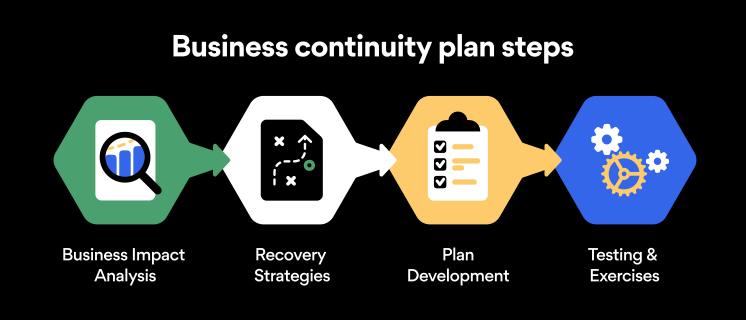
Here are some general guidelines that an organization looking to develop a BCP should consider:

Analysis

A business continuity plan should include an in-depth analysis of everything that could negatively affect the overall organizational infrastructure and operations. Assessing different levels of risk should also be a part of the analysis phase.

Design and development

Once you have a clear overview of potential risks your company could face, start developing a plan. Create a draft and reassess it to see if it takes into account even the smallest of details.

Implementation

Implement BCP within the organization by providing training sessions for the staff to get familiar with the plan. Getting everyone on the same page regarding crisis management is critical.

Testing

Rigorously test the plan. Play out a variety of scenarios in training sessions to learn the overall effectiveness of the continuity plan. By doing so, everyone on the team will be closely familiar with the business continuity plan’s guidelines.

Maintenance and updating

Because the threat landscape constantly changes and evolves, you should regularly reassess your BCP and take steps to update it. By making your continuity plan in tune with the times, you will be able to stay a step ahead of a crisis.

Level up your company’s security with NordPass Business

A comprehensive business continuity plan is vital for the entire organization’s security posture. However, in a perfect world, you wouldn’t have to use it. This is where NordPass Business can help.

Remember, weak, reused, or compromised passwords are often cited as one of the top contributing factors in data breaches. It’s not surprising, considering that an average user has around 100 passwords. Password fatigue is real and significantly affects how people treat their credentials. NordPass Business counters these issues.

With NordPass Business, your team will have a single secure place to store all work-related passwords, credit cards, and other sensitive information. Accessing all the data stored in NordPass is quick and easy, which allows your employees not to be distracted by the task of finding the correct passwords for the correct account.

In cyber incidents, NordPass Business ensures that company credentials remain secure at all times. Everything stored in the NordPass vault is secured with advanced encryption algorithms, which would take hundreds of years to brute force.

If you are interested in learning more about NordPass Business and how it can fortify corporate security, do not hesitate to book a demo with our representative.


About Version 2 Digital

Version 2 Digital is one of the most dynamic IT companies in Asia. The company distributes a wide range of IT products across various areas including cyber security, cloud, data protection, end points, infrastructures, system monitoring, storage, networking, business productivity and communication products.

Through an extensive network of channels, point of sales, resellers, and partnership companies, Version 2 offers quality products and services which are highly acclaimed in the market. Its customers cover a wide spectrum which include Global 1000 enterprises, regional listed companies, different vertical industries, public utilities, Government, a vast number of successful SMEs, and consumers in various Asian cities.

About NordPass
NordPass is developed by Nord Security, a company leading the global market of cybersecurity products.

The web has become a chaotic space where safety and trust have been compromised by cybercrime and data protection issues. Therefore, our team has a global mission to shape a more trusted and peaceful online future for people everywhere.

How to Change Your Netflix Password

You’re dozing off to one of your favorite shows on Netflix, and suddenly a notification flashes on your phone. You look down and see a weird message: “Someone signed into your Netflix account at 03:23 in Nigeria.” Odd, because you were asleep at that time – and certainly haven’t been to Nigeria before. Looks like it’s time to change your Netflix password.

Whether you have forgotten your password, want to wrangle Netflix away from your ex-spouse, or just want to update your passwords, this guide will tell you how to easily change your Netflix password.

How to change your Netflix password on desktop

Fortunately, Netflix foresaw the need for expediency when it comes to changing your password – the process is quick and straightforward.

  1. Open up your browser and go to the Netflix login page. Once you’ve logged in, bring your mouse to hover over your profile picture in the top right corner. Click on “Account.”

  2. The first thing you’ll see is a section marked “Membership and billing.” On the right-hand side of this section are a few hyperlinked options. Click on the “Change password” link.

  3. You’re now on the page where you can reset your password. Before you do, check out our password generator to craft the perfect password that will be extremely difficult to crack.

  4. There you have it — your Netflix password is now changed. Remember that you’ll need to re-enter this new password on whatever devices your Netflix account is connected to.

How to change your Netflix password on mobile devices

  1. Open the Netflix app on your mobile device and log in to your account.

  2. Tap the profile icon located in the upper-left corner of the screen and select “Account.” If you are using a tablet, tap “More” at the bottom of the screen and select “Account” there.

  3. Now tap “Change password.”

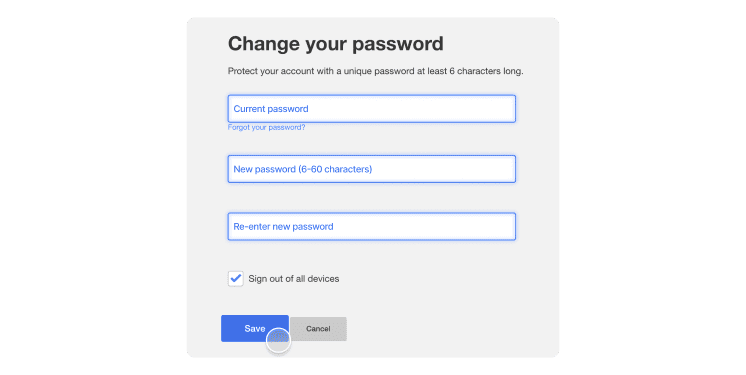
  4. Now enter your current and new passwords.

  5. Tap “Save” to confirm. The changes should take effect immediately.

How can you reset your Netflix password?

If you have forgotten your Netflix password, the only way to regain access to your account is by resetting your passwords. Here’s a quick guide on how to reset your Netflix password:

  1. Visit the “Sign in” page and select “Need help?” which is located below the “Sign in” button.

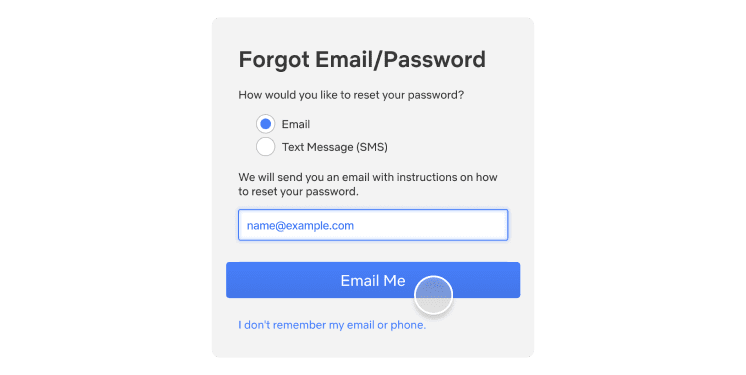
  2. Choose “Email” and enter your email address. Click “Email me.”

  3. You will receive an email from Netflix with instructions on how to reset your password and create a new one.

  4. You can also choose the “Text message” (SMS) option. Simply enter your phone number and select “Text me.”

  5. You will receive a text message from Netflix with instructions on how to reset your password and create a new one.

If it’s been years since you last had to reset your password, don’t worry: all hope is not lost yet! In the above image, you can see the option at the bottom that says “I don’t remember my email or phone.” Click on it.

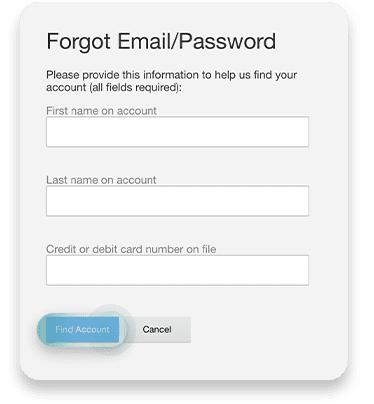
Now, you can enter your personal and payment details to reset your password. Netflix’s UI is intuitive enough to make resetting the details of your account effortless. Just follow the on-screen instructions, and you’ll have a new password in no time.

Invest in a password manager

This is the most guaranteed way to never have to worry about your passwords again. NordPass can automatically generate top-tier strength passwords, store them in an encrypted vault, and then autofill them to whichever account it’s associated with. The unnecessary hassle of memorizing and creating passwords will be a thing of the past. With NordPass, online life is smoother and safer.

About Version 2 Digital

Version 2 Digital is one of the most dynamic IT companies in Asia. The company distributes a wide range of IT products across various areas including cyber security, cloud, data protection, end points, infrastructures, system monitoring, storage, networking, business productivity and communication products.

Through an extensive network of channels, point of sales, resellers, and partnership companies, Version 2 offers quality products and services which are highly acclaimed in the market. Its customers cover a wide spectrum which include Global 1000 enterprises, regional listed companies, different vertical industries, public utilities, Government, a vast number of successful SMEs, and consumers in various Asian cities.

These days, cybercrime is rampant. It’s no longer a matter of “if” you’re going to suffer an attack but “when” it will happen. All companies want to be ready for any crisis. And this is where a business continuity plan comes into play.

But what is a business continuity plan exactly? Why is it important? What should one include? Today, we’re exploring all these questions in-depth.

What is a business continuity plan?

A business continuity plan (BCP) is a document that sets guidelines for how an organization will continue its operations in the event of a disruption, whether it’s a fire, flood, other natural disaster or a cybersecurity incident. A BCP aims to help organizations resume operations without significant downtime.

Unfortunately, according to a 2020 Mercer survey, 51% of businesses across the globe don’t have a business continuity plan in place.

What’s the difference between business continuity and disaster recovery plans?

We often confuse the terms business continuity plan and disaster recovery plan. The two overlap and often work together, but the disaster recovery plan focuses on containing, examining, and restoring operations after a cyber incident. On the other hand, BCP is a broader concept that considers the whole organization. A business continuity plan helps organizations stay prepared for dealing with a potential crisis and usually encompasses a disaster recovery plan.

Importance of business continuity planning

The number of news headlines announcing data breaches has numbed us to the fact that cybercrime is very real and frequent and poses an existential risk to companies of all sizes and industries.

Consider that in 2021, approximately 37% of global organizations fell victim to a ransomware attack. Then consider that business interruption and restoration costs account for 50% of cyberattack-related losses. Finally, take into account that most cyberattacks are financially motivated and the global cost of cybercrime topped $6 trillion last year. The picture is quite clear — cybercrime is a lucrative venture for bad actors and potentially disastrous for those on the receiving end.

To thrive in these unpredictable times, organizations go beyond conventional security measures. Many companies develop a business continuity plan parallel to secure infrastructure and consider the plan a critical part of the security ecosystem. The Purpose of a business continuity plan is to significantly reduce the downtime in an emergency and, in turn, reduce the potential reputational damage and — of course — revenue losses.

Business continuity plan template

Password security for your business

Store, manage and share passwords.

30-day money-back guarantee

Business Continuity Plan Example

[Company Name]

[Date]

I. Introduction

  • Purpose of the Plan

  • Scope of the Plan

  • Budget

  • Timeline

The initial stage of developing a business continuity plan starts with a statement of the plan’s purpose, which explains the main objective of the plan, such as ensuring the organization’s ability to continue its operations during and after a disruptive event.

The Scope of the Plan outlines the areas or functions that the plan will cover, including business processes, personnel, equipment, and technology.

The Budget specifies the estimated financial resources required to implement and maintain the BCP. It includes costs related to technology, personnel, equipment, training, and other necessary expenses.

The Timeline provides a detailed schedule for developing, implementing, testing, and updating the BCP.

II. Risk Assessment

  • Identification of Risks

  • Prioritization of Risks

  • Mitigation Strategies

The Risk Assessment section of a Business Continuity Plan (BCP) is an essential part of the plan that identifies potential risks that could disrupt an organization’s critical functions.

The Identification of Risks involves identifying potential threats to the organization, such cybersecurity breaches, supply chain disruptions, power outages, and other potential risks. This step is critical to understand the risks and their potential impact on the organization.

Once the risks have been identified, the Prioritization of Risks follows, which helps determine which risks require the most attention and resources.

The final step in the Risk Assessment section is developing Mitigation Strategies to minimize the impact of identified risks. Mitigation strategies may include preventative measures, such as system redundancies, data backups, cybersecurity measures, as well as response and recovery measures, such as emergency protocols and employee training.

III. Emergency Response

  • Emergency Response Team

  • Communication Plan

  • Emergency Procedures

This section of the plan focuses on immediate actions that should be taken to ensure the safety and well-being of employees and minimize the impact of the event on the organization’s operations.

The Emergency Response Team is responsible for managing the response to an emergency or disaster situation. This team should be composed of individuals who are trained in emergency response procedures and can act quickly and decisively during an emergency. The team should also include a designated leader who is responsible for coordinating the emergency response efforts.

The Communication Plan outlines how information will be disseminated during an emergency situation. It includes contact information for employees, stakeholders, and emergency response personnel, as well as protocols for communicating with these individuals.

The Emergency Procedures detail the steps that should be taken during an emergency or disaster situation. The emergency procedures should be developed based on the potential risks identified in the Risk Assessment section and should be tested regularly to ensure that they are effective.

IV. Business Impact Analysis

The Business Impact Analysis (BIA) section of a Business Continuity Plan (BCP) is a critical step in identifying the potential impact of a disruption to an organization’s critical operations.

The Business Impact Analysis is typically conducted by a team of individuals who understand the organization’s critical functions and can assess the potential impact of a disruption to those functions. The team may include representatives from various departments, including finance, operations, IT, and human resources.

V. Recovery and Restoration

  • Procedures for recovery and restoration of critical processes

  • Prioritization of recovery efforts

  • Establishment of recovery time objectives

The Recovery and Restoration section of a Business Continuity Plan (BCP) outlines the procedures for recovering and restoring critical processes and functions following a disruption.

The Procedures for recovery and restoration of critical processes describe the steps required to restore critical processes and functions following a disruption. This may include steps such as relocating to alternate facilities, restoring data and systems, and re-establishing key business relationships.

The Prioritization section of the plan identifies the order in which critical processes will be restored, based on their importance to the organization’s operations and overall mission.

Recovery time objectives (RTOs) define the maximum amount of time that critical processes and functions can be unavailable following a disruption. Establishing RTOs ensures that recovery efforts are focused on restoring critical functions within a specific timeframe.

VI. Plan Activation

  • Plan Activation Procedures

The Plan Activation section is critical in ensuring that an organization can quickly and effectively activate the plan and respond to a potential emergency.

The Plan Activation Procedures describe the steps required to activate the BCP in response to a disruption. The procedures should be clear and concise, with specific instructions for each step to ensure a prompt and effective response.

VII. Testing and Maintenance

  • Testing Procedures

  • Maintenance Procedures

  • Review and Update Procedures

This section of the plan is critical to ensure that an organization can effectively respond to disruptions and quickly resume its essential functions.

Testing procedures may include scenarios such as natural disasters, cyber-attacks, and other potential risks. The testing procedures should include clear objectives, testing scenarios, roles and responsibilities, and evaluation criteria to assess the effectiveness of the plan.

The Maintenance Procedures detail the steps necessary to keep the BCP up-to-date and relevant.

The Review and Update Procedures describe how the BCP will be reviewed and updated regularly to ensure its continued effectiveness. This may involve conducting a review of the plan on a regular basis or after significant changes to the organization’s operations or threats.

What should a business continuity plan checklist include?

Organizations looking to develop a BCP have more than a few things to think through and consider. Variables such as the size of the organization, its IT infrastructure, personnel, and resources all play a significant role in developing a continuity plan. Remember, each crisis is different, and each organization will have a view on handling it according to all the variables in play. However, all business continuity plans will include a few elements in one way or another.

  • Clearly defined areas of responsibility

    A BCP should define specific roles and responsibilities for cases of emergency. Detail who is responsible for what tasks and clarify what course of action a person in a specific position should take. Clearly defined roles and responsibilities in an emergency event allow you to act quickly and decisively and minimize potential damage.

  • Crisis communication plan

    In an emergency, communication is vital. It is the determining factor when it comes to crisis handling. For communication to be effective, it is critical to establish clear communication pipelines. Furthermore, it is crucial to understand that alternative communication channels should not be overlooked and outlined in a business continuity plan.

  • Recovery teams

    A recovery team is a collective of different professionals who ensure that business operations are restored as soon as possible after the organization confronts a crisis.

  • Alternative site of operations

    Today, when we think of an incident in a business environment, we usually think of something related to cybersecurity. However, as discussed earlier, a BCP covers many possible disasters. In a natural disaster, determine potential alternate sites where the company could continue to operate.

  • Backup power and data backups

    Whether a cyber event or a real-life physical event, ensuring that you have access to power is crucial if you wish to continue operations. In a BCP, you can often come across lists of alternative power sources such as generators, where such tools are located, and who should oversee them. The same applies to data. Regularly scheduled data backups can significantly reduce potential losses incurred by a crisis event.

  • Recovery guidelines

    If a crisis is significant, a comprehensive business continuity plan usually includes detailed guidelines on how the recovery process will be carried out.

Business continuity planning steps

Here are some general guidelines that an organization looking to develop a BCP should consider:

Analysis

A business continuity plan should include an in-depth analysis of everything that could negatively affect the overall organizational infrastructure and operations. Assessing different levels of risk should also be a part of the analysis phase.

Design and development

Once you have a clear overview of potential risks your company could face, start developing a plan. Create a draft and reassess it to see if it takes into account even the smallest of details.

Implementation

Implement BCP within the organization by providing training sessions for the staff to get familiar with the plan. Getting everyone on the same page regarding crisis management is critical.

Testing

Rigorously test the plan. Play out a variety of scenarios in training sessions to learn the overall effectiveness of the continuity plan. By doing so, everyone on the team will be closely familiar with the business continuity plan’s guidelines.

Maintenance and updating

Because the threat landscape constantly changes and evolves, you should regularly reassess your BCP and take steps to update it. By making your continuity plan in tune with the times, you will be able to stay a step ahead of a crisis.

Level up your company’s security with NordPass Business

A comprehensive business continuity plan is vital for the entire organization’s security posture. However, in a perfect world, you wouldn’t have to use it. This is where NordPass Business can help.

Remember, weak, reused, or compromised passwords are often cited as one of the top contributing factors in data breaches. It’s not surprising, considering that an average user has around 100 passwords. Password fatigue is real and significantly affects how people treat their credentials. NordPass Business counters these issues.

With NordPass Business, your team will have a single secure place to store all work-related passwords, credit cards, and other sensitive information. Accessing all the data stored in NordPass is quick and easy, which allows your employees not to be distracted by the task of finding the correct passwords for the correct account.

In cyber incidents, NordPass Business ensures that company credentials remain secure at all times. Everything stored in the NordPass vault is secured with advanced encryption algorithms, which would take hundreds of years to brute force.

If you are interested in learning more about NordPass Business and how it can fortify corporate security, do not hesitate to book a demo with our representative.
About Version 2 Digital

Version 2 Digital is one of the most dynamic IT companies in Asia. The company distributes a wide range of IT products across various areas including cyber security, cloud, data protection, end points, infrastructures, system monitoring, storage, networking, business productivity and communication products.

Through an extensive network of channels, point of sales, resellers, and partnership companies, Version 2 offers quality products and services which are highly acclaimed in the market. Its customers cover a wide spectrum which include Global 1000 enterprises, regional listed companies, different vertical industries, public utilities, Government, a vast number of successful SMEs, and consumers in various Asian cities.

About NordPass
NordPass is developed by Nord Security, a company leading the global market of cybersecurity products.

The web has become a chaotic space where safety and trust have been compromised by cybercrime and data protection issues. Therefore, our team has a global mission to shape a more trusted and peaceful online future for people everywhere.

Should Couples Share Passwords?

So what’s the deal with password sharing? Would you give your partner the password to your banking account but not your phone? Is laying all your codes on the table a sign of trust or a massive security risk? Should couples share passwords at all? While it can help to build trust with a partner, sharing your passwords isn’t always the best idea.

We are asking some basic questions on a very touchy subject just to help keep your security tip top. Don’t worry — we’re not judging your loving relationship. We just believe in safety precautions no matter what, and you will too once you get a dose of reality from these not-so-lovely situations.

It’s all about how you share them

Sometimes the risk isn’t who you share your password with, but how you do it. Sharing your passwords over the internet, whether over unencrypted email or messaging apps, is like sharing them in plain view of the world. The next time you think about doing this, remember that any of the following situations can take hold (without you even knowing).

  • Your messaging app may not be as honest as you think. A messaging app without end-to-end encryption has full access to everything you send. End-to-end encryption means that the only person who can read your message is the person you send it to. Sounds like a given, right? Not when you consider the genuine possibility that your messaging app could be giving employees access to your private conversations.
  • Man-in-the-middle attacks. It’s true, attackers lurk in the middle of an exchange waiting to steal vital information, like passwords, credit card numbers, addresses… you name it. Without end-to-end encryption and zero-knowledge architecture, your credentials could be exposed, and a cybercriminal could be in and out of your bank account within seconds.

The easy way to share passwords securely

Looking at the potential risks that one might face when trying to share passwords online, it is quite natural to question whether couples should share passwords at all and is it worth the risk? The good news is that there’s a way to share passwords securely.

Obviously, the best defense is encryption. A messaging service or website using end-to-end encryption makes sure your data is kept safe from attackers. Password managers like NordPass help you store and share your passwords in a completely secure way.

With NordPass, encryption happens on your device, scrambling your data into gibberish before it even reaches the servers. This way everything you send remains locked, even from us – until it reaches your verified recipient.

NordPass Family is a great way for couples, families, or even groups of friends to further improve their online security. The Family plan comes with six Premium accounts and includes all the advanced security features. Best of all — you’ll be able to share passwords with other NordPass users instantly and effortlessly without sacrificing security.

The takeaway

Matters of the heart aside, always think twice before you send a password by text or messaging apps. Even if the service offers encryption, subpar ciphers and weak protocols can be broken by even a mediocre cyberattacker.

Sending a password securely with NordPass is easy. It locks your sensitive credentials in an encrypted vault. You can select them from a simple drop-down list and send in complete confidence.

The internet’s primary concern and priority is functionality. Your security and privacy probably aren’t. Don’t risk all of your accounts over something as small as sending a password.

About Version 2 Digital

Version 2 Digital is one of the most dynamic IT companies in Asia. The company distributes a wide range of IT products across various areas including cyber security, cloud, data protection, end points, infrastructures, system monitoring, storage, networking, business productivity and communication products.

Through an extensive network of channels, point of sales, resellers, and partnership companies, Version 2 offers quality products and services which are highly acclaimed in the market. Its customers cover a wide spectrum which include Global 1000 enterprises, regional listed companies, different vertical industries, public utilities, Government, a vast number of successful SMEs, and consumers in various Asian cities.

These days, cybercrime is rampant. It’s no longer a matter of “if” you’re going to suffer an attack but “when” it will happen. All companies want to be ready for any crisis. And this is where a business continuity plan comes into play.

But what is a business continuity plan exactly? Why is it important? What should one include? Today, we’re exploring all these questions in-depth.

What is a business continuity plan?

A business continuity plan (BCP) is a document that sets guidelines for how an organization will continue its operations in the event of a disruption, whether it’s a fire, flood, other natural disaster or a cybersecurity incident. A BCP aims to help organizations resume operations without significant downtime.

Unfortunately, according to a 2020 Mercer survey, 51% of businesses across the globe don’t have a business continuity plan in place.

What’s the difference between business continuity and disaster recovery plans?

We often confuse the terms business continuity plan and disaster recovery plan. The two overlap and often work together, but the disaster recovery plan focuses on containing, examining, and restoring operations after a cyber incident. On the other hand, BCP is a broader concept that considers the whole organization. A business continuity plan helps organizations stay prepared for dealing with a potential crisis and usually encompasses a disaster recovery plan.

Importance of business continuity planning

The number of news headlines announcing data breaches has numbed us to the fact that cybercrime is very real and frequent and poses an existential risk to companies of all sizes and industries.

Consider that in 2021, approximately 37% of global organizations fell victim to a ransomware attack. Then consider that business interruption and restoration costs account for 50% of cyberattack-related losses. Finally, take into account that most cyberattacks are financially motivated and the global cost of cybercrime topped $6 trillion last year. The picture is quite clear — cybercrime is a lucrative venture for bad actors and potentially disastrous for those on the receiving end.

To thrive in these unpredictable times, organizations go beyond conventional security measures. Many companies develop a business continuity plan parallel to secure infrastructure and consider the plan a critical part of the security ecosystem. The Purpose of a business continuity plan is to significantly reduce the downtime in an emergency and, in turn, reduce the potential reputational damage and — of course — revenue losses.

Business continuity plan template

Password security for your business

Store, manage and share passwords.

30-day money-back guarantee

Business Continuity Plan Example

[Company Name]

[Date]

I. Introduction

  • Purpose of the Plan

  • Scope of the Plan

  • Budget

  • Timeline

The initial stage of developing a business continuity plan starts with a statement of the plan’s purpose, which explains the main objective of the plan, such as ensuring the organization’s ability to continue its operations during and after a disruptive event.

The Scope of the Plan outlines the areas or functions that the plan will cover, including business processes, personnel, equipment, and technology.

The Budget specifies the estimated financial resources required to implement and maintain the BCP. It includes costs related to technology, personnel, equipment, training, and other necessary expenses.

The Timeline provides a detailed schedule for developing, implementing, testing, and updating the BCP.

II. Risk Assessment

  • Identification of Risks

  • Prioritization of Risks

  • Mitigation Strategies

The Risk Assessment section of a Business Continuity Plan (BCP) is an essential part of the plan that identifies potential risks that could disrupt an organization’s critical functions.

The Identification of Risks involves identifying potential threats to the organization, such cybersecurity breaches, supply chain disruptions, power outages, and other potential risks. This step is critical to understand the risks and their potential impact on the organization.

Once the risks have been identified, the Prioritization of Risks follows, which helps determine which risks require the most attention and resources.

The final step in the Risk Assessment section is developing Mitigation Strategies to minimize the impact of identified risks. Mitigation strategies may include preventative measures, such as system redundancies, data backups, cybersecurity measures, as well as response and recovery measures, such as emergency protocols and employee training.

III. Emergency Response

  • Emergency Response Team

  • Communication Plan

  • Emergency Procedures

This section of the plan focuses on immediate actions that should be taken to ensure the safety and well-being of employees and minimize the impact of the event on the organization’s operations.

The Emergency Response Team is responsible for managing the response to an emergency or disaster situation. This team should be composed of individuals who are trained in emergency response procedures and can act quickly and decisively during an emergency. The team should also include a designated leader who is responsible for coordinating the emergency response efforts.

The Communication Plan outlines how information will be disseminated during an emergency situation. It includes contact information for employees, stakeholders, and emergency response personnel, as well as protocols for communicating with these individuals.

The Emergency Procedures detail the steps that should be taken during an emergency or disaster situation. The emergency procedures should be developed based on the potential risks identified in the Risk Assessment section and should be tested regularly to ensure that they are effective.

IV. Business Impact Analysis

The Business Impact Analysis (BIA) section of a Business Continuity Plan (BCP) is a critical step in identifying the potential impact of a disruption to an organization’s critical operations.

The Business Impact Analysis is typically conducted by a team of individuals who understand the organization’s critical functions and can assess the potential impact of a disruption to those functions. The team may include representatives from various departments, including finance, operations, IT, and human resources.

V. Recovery and Restoration

  • Procedures for recovery and restoration of critical processes

  • Prioritization of recovery efforts

  • Establishment of recovery time objectives

The Recovery and Restoration section of a Business Continuity Plan (BCP) outlines the procedures for recovering and restoring critical processes and functions following a disruption.

The Procedures for recovery and restoration of critical processes describe the steps required to restore critical processes and functions following a disruption. This may include steps such as relocating to alternate facilities, restoring data and systems, and re-establishing key business relationships.

The Prioritization section of the plan identifies the order in which critical processes will be restored, based on their importance to the organization’s operations and overall mission.

Recovery time objectives (RTOs) define the maximum amount of time that critical processes and functions can be unavailable following a disruption. Establishing RTOs ensures that recovery efforts are focused on restoring critical functions within a specific timeframe.

VI. Plan Activation

  • Plan Activation Procedures

The Plan Activation section is critical in ensuring that an organization can quickly and effectively activate the plan and respond to a potential emergency.

The Plan Activation Procedures describe the steps required to activate the BCP in response to a disruption. The procedures should be clear and concise, with specific instructions for each step to ensure a prompt and effective response.

VII. Testing and Maintenance

  • Testing Procedures

  • Maintenance Procedures

  • Review and Update Procedures

This section of the plan is critical to ensure that an organization can effectively respond to disruptions and quickly resume its essential functions.

Testing procedures may include scenarios such as natural disasters, cyber-attacks, and other potential risks. The testing procedures should include clear objectives, testing scenarios, roles and responsibilities, and evaluation criteria to assess the effectiveness of the plan.

The Maintenance Procedures detail the steps necessary to keep the BCP up-to-date and relevant.

The Review and Update Procedures describe how the BCP will be reviewed and updated regularly to ensure its continued effectiveness. This may involve conducting a review of the plan on a regular basis or after significant changes to the organization’s operations or threats.

What should a business continuity plan checklist include?

Organizations looking to develop a BCP have more than a few things to think through and consider. Variables such as the size of the organization, its IT infrastructure, personnel, and resources all play a significant role in developing a continuity plan. Remember, each crisis is different, and each organization will have a view on handling it according to all the variables in play. However, all business continuity plans will include a few elements in one way or another.

  • Clearly defined areas of responsibility

    A BCP should define specific roles and responsibilities for cases of emergency. Detail who is responsible for what tasks and clarify what course of action a person in a specific position should take. Clearly defined roles and responsibilities in an emergency event allow you to act quickly and decisively and minimize potential damage.

  • Crisis communication plan

    In an emergency, communication is vital. It is the determining factor when it comes to crisis handling. For communication to be effective, it is critical to establish clear communication pipelines. Furthermore, it is crucial to understand that alternative communication channels should not be overlooked and outlined in a business continuity plan.

  • Recovery teams

    A recovery team is a collective of different professionals who ensure that business operations are restored as soon as possible after the organization confronts a crisis.

  • Alternative site of operations

    Today, when we think of an incident in a business environment, we usually think of something related to cybersecurity. However, as discussed earlier, a BCP covers many possible disasters. In a natural disaster, determine potential alternate sites where the company could continue to operate.

  • Backup power and data backups

    Whether a cyber event or a real-life physical event, ensuring that you have access to power is crucial if you wish to continue operations. In a BCP, you can often come across lists of alternative power sources such as generators, where such tools are located, and who should oversee them. The same applies to data. Regularly scheduled data backups can significantly reduce potential losses incurred by a crisis event.

  • Recovery guidelines

    If a crisis is significant, a comprehensive business continuity plan usually includes detailed guidelines on how the recovery process will be carried out.

Business continuity planning steps

Here are some general guidelines that an organization looking to develop a BCP should consider:

Analysis

A business continuity plan should include an in-depth analysis of everything that could negatively affect the overall organizational infrastructure and operations. Assessing different levels of risk should also be a part of the analysis phase.

Design and development

Once you have a clear overview of potential risks your company could face, start developing a plan. Create a draft and reassess it to see if it takes into account even the smallest of details.

Implementation

Implement BCP within the organization by providing training sessions for the staff to get familiar with the plan. Getting everyone on the same page regarding crisis management is critical.

Testing

Rigorously test the plan. Play out a variety of scenarios in training sessions to learn the overall effectiveness of the continuity plan. By doing so, everyone on the team will be closely familiar with the business continuity plan’s guidelines.

Maintenance and updating

Because the threat landscape constantly changes and evolves, you should regularly reassess your BCP and take steps to update it. By making your continuity plan in tune with the times, you will be able to stay a step ahead of a crisis.

Level up your company’s security with NordPass Business

A comprehensive business continuity plan is vital for the entire organization’s security posture. However, in a perfect world, you wouldn’t have to use it. This is where NordPass Business can help.

Remember, weak, reused, or compromised passwords are often cited as one of the top contributing factors in data breaches. It’s not surprising, considering that an average user has around 100 passwords. Password fatigue is real and significantly affects how people treat their credentials. NordPass Business counters these issues.

With NordPass Business, your team will have a single secure place to store all work-related passwords, credit cards, and other sensitive information. Accessing all the data stored in NordPass is quick and easy, which allows your employees not to be distracted by the task of finding the correct passwords for the correct account.

In cyber incidents, NordPass Business ensures that company credentials remain secure at all times. Everything stored in the NordPass vault is secured with advanced encryption algorithms, which would take hundreds of years to brute force.

If you are interested in learning more about NordPass Business and how it can fortify corporate security, do not hesitate to book a demo with our representative.
About Version 2 Digital

Version 2 Digital is one of the most dynamic IT companies in Asia. The company distributes a wide range of IT products across various areas including cyber security, cloud, data protection, end points, infrastructures, system monitoring, storage, networking, business productivity and communication products.

Through an extensive network of channels, point of sales, resellers, and partnership companies, Version 2 offers quality products and services which are highly acclaimed in the market. Its customers cover a wide spectrum which include Global 1000 enterprises, regional listed companies, different vertical industries, public utilities, Government, a vast number of successful SMEs, and consumers in various Asian cities.

About NordPass
NordPass is developed by Nord Security, a company leading the global market of cybersecurity products.

The web has become a chaotic space where safety and trust have been compromised by cybercrime and data protection issues. Therefore, our team has a global mission to shape a more trusted and peaceful online future for people everywhere.

Pandora FMS NG 768 RRR

This is a minor update with new functionalities and features. The latest version with maximum stability is Pandora FMS 767 HOPE LTS (Long Term Support).

Regular releases (RRR) are monthly releases that bring together many changes and new functionalities. They are ideal for those users who need to be up to date and are not afraid of finding some unpolished detail. The LTS versions are oriented to consolidate all the changes of the RRR versions and offer maximum stability.


New features and improvements

Improvement in credential store security

From this version onwards, Pandora FMS encrypts user password hashing using the algorithm CRYPT_BLOWFISH.

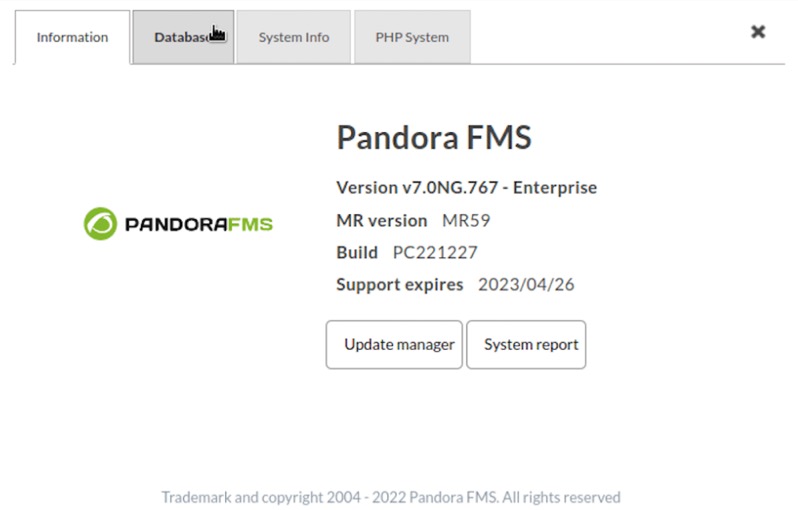
New application information display

With an “About” modal window that replaces the Web Console footer.

Pandora FMS version popup

New network monitoring: SFlow

The possibility of obtaining monitoring through SFlow has been incorporated into our flow management.

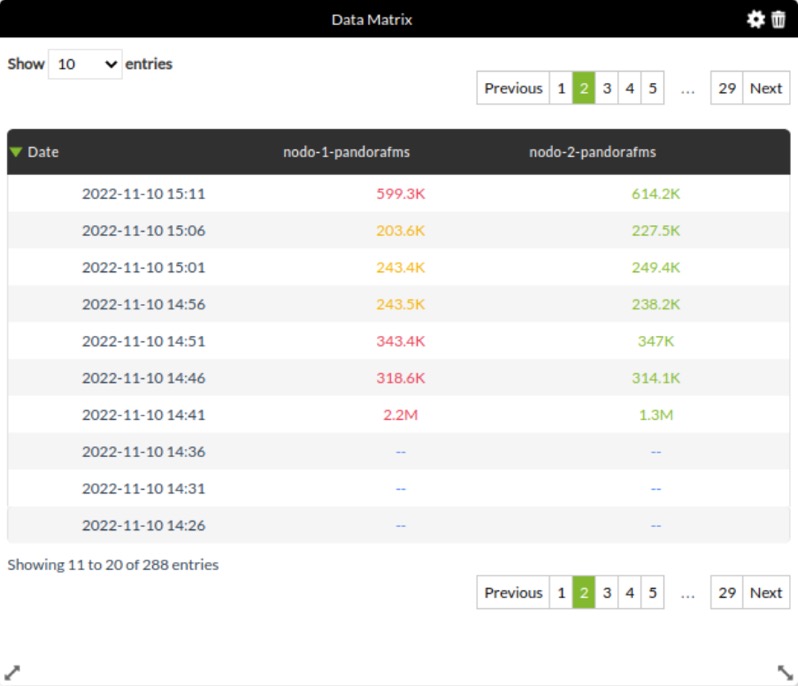
New dashboard widget: Data Matrix

The new “Data Matrix” widget has been added. Through this widget you may represent the information of the requested modules in a decompressed way, taking into account the value of the requested interval.

Pandora FMS data matrix

New macro _group_contact_

Added new macro _group_contact_ in event responses.

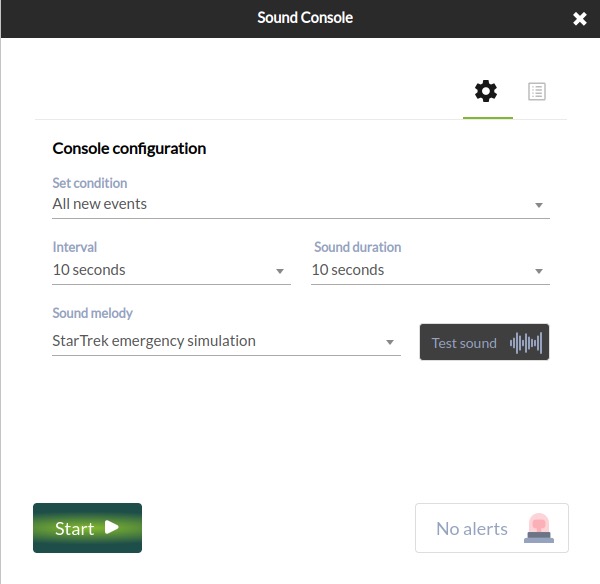
Sound alerts in Command Center

Added the sound alert configuration feature in the Command Center, just like the one from the nodes.

Pandora FMS sound console

New indicator in visual console: Orange box

We rescued a feature from version 6: the ability to display an orange box on visual certain console elements if the agent or module has a triggered alert, as well as recursive elements that reflect the status of the other visual console:

Pandora FMS orange box


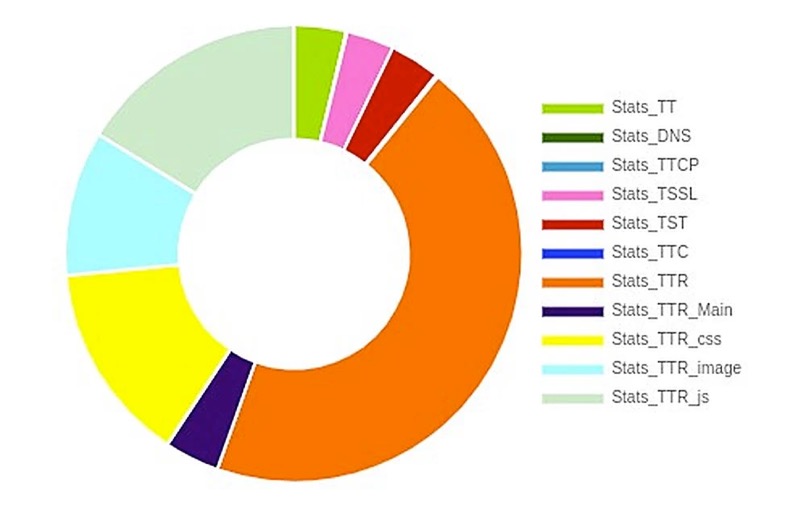
New pie charts

Pie charts have been modified for more accurate representation of their data.


LDAP
PLUGIN – ENTERPRISE

New parameters have been added, –module_prefix to add a prefix to modules and –tentacle_address and –tentacle_port to be able to send data by Tentacle and be able to see those in Pandora FMS before installing the plugin.

See in library →


Known changes and limitations

Due to the arrival of EOL from versions PHP 7.4, 7.3 and 7.2, version LTS 767 “Hope” will be the last one that will support said versions, PHP being Pandora FMS official version for the coming ones.


Fixed vulnerabilities

Case#GitLab#Description

N/A

8297

Improved Pandora FMS access management


Feature extinction

Deleted process transactional monitoring. This feature has nothing to do with WEB transaction monitoring or application monitoring (WUX, UX) that keep on working and being further developed in each version.


Changes and improvements

Case#GitLab#Description

N/A

9847

Improved remote inventory plugin for Windows for using pandorawmic binary.

14021

9325

Added the possibility of choosing the representation of the unit of a thousand.

14021

932

Added the possibility of choosing the power to represent full numerical data in reports.

N/A

9412

Made visual modifications to Satellite server remote configuration to make it easier to use.

13830

9292

Improved trap saving and representation in the SNMP view so as not to lose performance when increasing the number of elements to be viewed.

N/A

8558

The inventory feature becomes OpenSource.

N/A

9535

The cluster monitoring feature becomes OpenSource.

N/A

7386

Modified API call management in order to hide the access credentials to it.

N/A

9763

Improved asynchronous service performance and synchronization.

N/A

9624

Added the possibility of monitoring through SFlow.

N/A

9554

Changed pie chart representation.

N/A

9530

Reinstated triggered alert representation by orange boxes.

N/A

8619

Added new widget to dashboards: “Data matrix”.

N/A

9740

Added the mail configuration feature to the Command Center.

N/A

9675

Modified merging notices, so that they only fire in the strictly necessary cases.

N/A

8809

Added Custom SQL report type to the Command Center.

N/A

9709

Changed the admin user to be created as local by default.

14267

9557

Added private dashboard automatic removal when deleting the associated user.

13884

9246

Added new macro _group_contact_ in event responses.

N/A

9801

Added block in PDF/CSV/JSON file generation so as not to be able to generate more than one simultaneously and thus not affect the tool’s performance.

N/A

9286

Deleted the service forcing button for child services.

N/A

9120

Included the “not” button for a free text search in the events view.

13468

8849

Added the option to create a custom Link agent field.

13329

8770

Added the possibility of having bandwidth in absolute value in the network-bandwidth plugin.

N/A

8755

Modified the possibility of editing server plugins once they are deployed.

N/A

9135

Included the possibility of searching by name and user ID in events.

N/A

9516

Modified agent plugin editing in policies.

N/A

9447

Added entry control to the –create_event call of the CLI.

N/A

9152

Added the option to enable modules in bulk in agent views.

13786

8854

Included audible event alerts in the Command Center.

N/A

1270

Cascade automatic child, grandchild… module deletion.

N/A

7250

Visual enhancements in pandora_server.conf Web editor.

N/A

8535

Cluster monitoring from Enterprise version to the Open version.

N/A

9002

Transaction monitoring extinction (transaction server),

N/A

9059

Label and input visual correction in the agent group view.

N/A

9113

Added HTTPS support for API CHECKER.

13843

9196

Added service element edition into the Metaconsole.

N/A

9219

Deleted configuration file editing in collection or plugin ownership in policies with NMS license.

N/A

9463

Improved network map linking.

N/A

9878

Added server multiple selection in event filter editing (Metaconsole).

N/A

9903

Deleted the possibility of having different profiles with the same name.

N/A

9984

Corrected recon parameter order with SNMP v3.

N/A

9991

Renamed “skin” label by “theme” in user editing.

N/A

10037

Improvements in server auto-monitoring.

N/A

10082

Improved module double search tooltip in agent view.

N/A

10098

Better composer error control in PHP 7 when updating to Pandora 768 (it does not offer support for PHP 7).

N/A

10101

When changing from md5 to sha (access credentials) it is checked whether the table is varchar(60), if not it stays as md5.

N/A

1841

Added SO filtering to policies.

N/A

8538

Improve Azure monitoring.

N/A

9090

Added manual query to turn old plain-text “custom_data” into base64.

14021

9323

Enhanced 4-figure number display in reports to show the full number.

N/A

9587

Added double search in agent view to filter modules and alerts.

N/A

9643

Implemented pandora-exec for modern Windows (such as wmic).

N/A

9868

Deleted the footer and replaced by “About” section.

N/A

10025

Added option in the online installer to install the latest LTS version.

N/A

10096

Adapted snmp_remote.pl plugin to be able to execute it externally.

N/A

9618

Added the option to see the IP with which a remote module is being run from the agent view.


Bug fixes

Support#GitLab#Description

N/A

9684

Fixed connection error in NCM if the destination needs a prompt.

13394

8793

Fixed the deadlock in pandora_db when using Percona XtraDB cluster.

N/A

9995

Replaced the awk command by gawk for the AD plugin to avoid usage error.

N/A

9985

Fixed the use of the Deployment Center with PHP 8.

N/A

9983

Fixed error 500 in operations in bulk with PHP 8.

N/A

9982

Fixed bug in pandora-snmp-bandwith.pl plugin.

14484

9896/9275

Fixed the compilation of certain dependencies necessary for the correct use of NCM.

N/A

9833

Fixed user search in general search engine in the OpenSource version.

14523

9811

Fixed errors in reports that had availability type items.

N/A

9783

Fixed certain bugs in new network map refreshings.

14458

9780

Fixed the lack of information display in Discovery tasks.

N/A

9720

Fixed module histogram widget by not displaying state changes correctly.

14417

9706

Fixed the disappearance of drop-down menus in the module graphics view in dark mode.

N/A

9677

Fixed history database automatic partitioning.

N/A

9597

Fixed the default port in the integration with Ehorus.

N/A

9586

Modified the API call get_tree_agent, which displayed unnecessary information.

N/A

9548

Added certain fields in some database tables to avoid errors in the execution of pandora_db.

14180

9498

Fixed API call add_permission_user_to_group, which left the assigned profile group empty.

N/A

9483

Modified the correlation server to prevent its performance degradation.

14050

9349

Modified the tree view in the Command Center so that it does not show the agent hash when hovering over.

N/A

9978

Fixed enterprise ACLs to not allow configuration of a particular bulk operations page.

14580

9912

Fixed scheduled emails and report sending using Discovery tasks.

N/A

10000

Fixed error 500 in “tree_agents” API call with PHP 8.

N/A

9986

Fixed saving when creating an SNMP module that does not need a port, so that it is saved empty.

14571

9931

Fixed filtering in the event view when trying to select more than one server, where only the first one was selected.

N/A

9911

Fixed collection update when md5 is weight 0.

14569

9906

Fixed auto-refresh errors in Command Center event view.

14572

9873

Fixed custom images missing in visual console service elements.

14558

9851

Fixed wrong display of custom images on the login screen.

14463

9747

Solved the lack of some events when “Display all” is selected in filtering.

N/A

9721

Corrected the CLI call –add_event_comment that did not add the event ID into the comment.

N/A

9508

Fixed text overlay in dashboards when setting up a new widget.

14178

9496

Added input value validation in the creation of a new module using API.

12537

9221

Corrected module type’s default value when creating modules in “MySQL Server Advanced Plugin”.

12537

8950

Modified modules of the “MySQL Server Advanced Plugin” plugin that had erroneous data.

N/A

9061

Fixed Discovery section views.

N/A

9251

Added translation into sections that called to function ui_print_help_tip

N/A

9362

Modified tagent_data checking for big loads of data.

N/A

9440

Fixed “$bad_agents” counting.

14267

9556

Fixed counting and pagination in Dashboards view.

14349

9664

Removed modules in pendingdelete from the module selection view in scheduled downtimes.

N/A

9679

Fixed information sample in failed attempt register when obtaining a token.

14457

9738

Fixed node change in SQL reports after editing it (Metaconsole).

N/A

9759

Fixed common agent loading in module operations in bulk.

14480

9787

Fixed status update in the event information window in the General tab.

N/A

9817

Controlled profile duplication in agent creation.

N/A

9825

Fixed image upload through file manager in the Metaconsole.

N/A

9827

Fixed error related to external link without value as user home screen.

N/A

9831

Fixed password policy that only worked the first time.

N/A

9844

Fixed bug in alert filtering (it did not take into account “field content” in alert filter when selecting “mail to admin” in actions).

N/A

9908

Fixed failure in the Metaconsole event filter when modifying autorefresh.

N/A

9910

Fixed visual bug in template condition configuration/editing.

N/A

9922

Fixed the impossibility of filtering by tags in alert view.

N/A

9932

Fixed errors in SNMP browser.

N/A

9953

Fixed agent GIS information addition manually through PHP 8.

N/A

9966

Fixed issue with permissions from users created through API (user with manage users) of access to nodes in environments with Metaconsole.

14036

9969

Fixed errors when editing traps.

N/A

9972

Fixed typo in the log message when adding the bandwidth plugin module in Satellite.

14623

9973

Fixed error that did not allow to disable auto refresh in the Metaconsole.

N/A

9988

Fixed visual issue that did not allow to access the log view from the agent view.

N/A

9994

Fixed issue that did not allow to select “module group” when creating a modules.

N/A

9996

Fixed incorrect description in ssh module creation.

N/A

9997

Removed “using module component” from module editing.

N/A

9999

Fixed error in agent “full list of alerts” view.

N/A

10005

Fixed SQL errors when adding a new node o the Metaconsole.

N/A

10022

Fixed SQL error when adding inventory modules allowing to save without “Module” field.

N/A

10034

Fixed error that allowed to create empty/voisd ALC Enterprise profiles.

N/A

10036

Fixed visual error where the module legend overlapped with the circle graph in custom graphs.

N/A

10038

Fixed auto refreshing issue in event view (Metaconsole).

N/A

10041

Fixed error 500 in old correlation alerts.

N/A

10043

Fixed trap editing error that generated entities and did not allow editing.

N/A

10046

Fixed bug when deleting inventory modules individually.

N/A

10048

Fixed error in “Monitoring>Alert details” where when filtering by “mil to admin” it did not take into account the rest of the filters.

N/A

10049

Fixed error 500 when editing the cluster agent from the tree view (Metaconsole).

N/A

10074

Fixed error that did not allow to modify “content type” in SNMP alerts with “mail to admin” action.

14724

10075

Fixed error that did not show Compliance SLA percentage and Status in PDF reports.

N/A

10078

Fixed error 500 when deleting correlation alerts.

14706

10080

Fixed SQL error when creating external alert with action by default.

N/A

10104

Added Chrome to Ubuntu installation for proper execution in the console.

N/A

10119

Fixed alert view error in the Open version.

14783

10121

Fixed error 500 when creating custom MySQL.

N/A

10154

Fixed network map preview view with Discovery task performance.

N/A

9949

Fixed WUX widgets.

14544

10023

Fixed pandora_snmp_bandwidth.pl plugin.

N/A

10139

Fixed default visual consoles that used non-existent data.

N/A

8578

Fixed visual errors in integrations with eHorus.

N/A

9980

Fixed WUX executescript command when the response obtained 0.

N/A

10068

Fixed node collection synchronization when using PHP 8.

N/A

10040

Fixed connection error with AD in Command Center with PHP 8.

N/A

10114

Fixed error 500 in Command Center when using LDAP.

N/A

8047

fixed Kaspersky antivirus blocking to new WMIC version used by the Satellite server.

N/A

9633

Fixed typos in alert templates in french.

14650

10026

Fixed Command Center configuration order.

N/A

10123

Fixed warning due to a Js file being missing.

N/A

10052

Fixed network map calculation counting whew the mock node was taken into account.

N/A

10129

Fixed visual typo in the percentile time creation.

N/A

10088

Modified sample_agent query to improve its performance.

N/A

10131

Fixed error 500 in the module template view within an agent.

N/A

10135

Fixed error 500 in Command Center collection pagination.


Documentation update

Caso#GitLab#Descripción

N/A

10003

Fixed CLI call –create_event information.

N/A

10001

Added documentation of the tables used in the Command Center merging process.

N/A

9998

Added documentation of server plugin modification even if they are deployed.

N/A

9993

Added documentation about the use of email encryption in the Command Center.

N/A

9835

Updated Selinux documentation.

N/A

9803

Deleted transaction monitoring documentation.

N/A

9795

Added the documentation of the new “Data Matrix” widget.

N/A

9767

Updated information for installing software agents.

N/A

9743

Added documentation for the new event response macro _group_contact_.

14195

9533

Modified SQL report documentation to help perform correct queries.

N/A

9967

Updated information about visual console icons.

N/A

10113

Added cusom_data on base64 documentation.

N/A

10109

Added the new menu option “About”.

N/A

10145

Fixed support to Windows devices.

N/A

10060

Added documentation on dependencies included in ALT packages.

N/A

10128

Added IPAM documentation for importing through CSV.

N/A

10072

Updated new pie chart documentation.

N/A

10142

Updated server token “Dataserver_threads x” documentation.

N/A

9696

Added documentation to be able to use pmacct as alternate probe to that of Netflow.


Known bugs

This section presents some known bugs that will be fixed as soon as possible in upcoming versions.

Caso#GitLab#Descripción

14771

10156

The availability report content cannot be displayed without first clicking “Update Item”.

N/A

10152

It is not possible to add some groups to notifications.

14825

10146

The timestamp macro shows different date formats.

N/A

10147

There is some login slowdown in the node.

N/A

9866

Certain notifications are not fully displayed in descriptions.

N/A

10051

By setting a timeout to a module sometimes the module process is not stopped, therefore leaving a zombie process.

14803

10133

There are issues for Discovery IPAM task deletion.

14804

10136

pandora_manage does not modify the agent’s primary group from the Command Center.

14762

10132

There is an error in registration of a Windows machine when carrying out WMI requests.

N/A

9253

Failure in the usage of certain languages in the Command Center.

14800

10127

It is necessary to add the “id_nodo” field to the call to validate events from the API in the Command Center.

14417

9706

Menu display error in the module’s graph with dark mode.

N/A

9677

Failure in automatic partition creation in the history database.

N/A

10102

Visual typo in columns of service SLA reports.

N/A

10115

Login issues through LDAP when using special characters.

N/A

9924

Errors in visual console links.

14765

10112

Certain module types belonging to policies keep on running even if disabled from policies.

14735

10085

Lack of data time correspondence between graphs and serialized data.

N/A

9600

Server wrong status when there is a time zone difference between the server and the console.

N/A

9164

Process duplication creation in VMWare tasks.

About Version 2 Digital

Version 2 Digital is one of the most dynamic IT companies in Asia. The company distributes a wide range of IT products across various areas including cyber security, cloud, data protection, end points, infrastructures, system monitoring, storage, networking, business productivity and communication products.

Through an extensive network of channels, point of sales, resellers, and partnership companies, Version 2 offers quality products and services which are highly acclaimed in the market. Its customers cover a wide spectrum which include Global 1000 enterprises, regional listed companies, different vertical industries, public utilities, Government, a vast number of successful SMEs, and consumers in various Asian cities.

About PandoraFMS
Pandora FMS is a flexible monitoring system, capable of monitoring devices, infrastructures, applications, services and business processes.
Of course, one of the things that Pandora FMS can control is the hard disks of your computers.

Machine Identity Management Best Practices

Remote work and the adoption of cloud computing surfaced the concept of identity as a perimeter.
In this sense, although it is not new, identity security first gained urgency as malicious attackers began to use machine identity management and access to achieve their goals.

Currently, hackers have been successful in targeting Active Directory and identity infrastructure to move laterally on networks with vulnerabilities.

It is worth mentioning that the use of multifactor authentication (MFA) is growing, but it is still necessary to configure, maintain, and monitor the identity infrastructure properly.

In this article, we will explain everything about this subject. To facilitate your reading, we divided our text into topics. These are:

  • What is Machine Identity?
  • Importance of Machine Identity Management
  • Challenges in Machine Identity Management
  • Seven Best Practices in Machine Identity Management
  • Other Best Practices
  • About senhasegura
  • Conclusion

Enjoy the read!

What is Machine Identity?

Just as people use usernames and passwords to protect their identities, machines have their unique identifications protected by these credentials, as well as keys and certificates.

Without proper machine identity management, it becomes impossible to guarantee the confidentiality of data obtained by authorized devices and to prevent this information from being transferred to unauthorized machines.

In practice, a machine with a compromised identity can damage the company’s digital security. This is because hackers can use them to gain privileged access to data and resources from the organization’s networks.

Moreover, by stealing or forging a machine identity, an attacker is able to impersonate a legitimate machine and obtain sensitive data.

To account for the volume, variety, and speed of changes in machine identity, one needs to strategically manage a complex and rapidly changing data set.

Through appropriate policies and controls, machine identity management contributes to optimizing a corporation’s cybersecurity, reducing risks, and ensuring compliance with security requirements.

Importance of Machine Identity Management

Proper machine identity management is critical to preventing compromised credentials, keys, and certificates from being used to invade infrastructure, giving access to sensitive data, or being used to create fraudulent tunnels and hide malicious actions.

It also allows one to track the exponential growth in the number of machines to keep their identities secure and track the evolution of cloud services, which can expose machine identities to hacker action.

With the correct machine identity management, it is also possible to protect mobile devices, sensors, and robots, which can communicate and store sensitive information using encryption.

In addition, we live in a context where machines have increasingly intelligent functions, replacing people in activities that require logical reasoning and thinking, and machine identity management allows us to interact securely with this type of equipment.

Challenges in Machine Identity Management

In the previous topic, we showed the importance of machine identity management in data protection. However, we know efficient machine identity management can be quite challenging.

One of the reasons is the increase in IT and OT devices, which also increases the number of credentials, certificates, and keys.

Also, traditional practices are insufficient to meet the demands of machine identity management, which can cause cyberattacks and interruption of activities.
In this sense, the most common challenges are:

Visibility

With a large number of machine identities, it becomes difficult to keep track of existing credentials and know where they are. With this, hidden certificates can expire without anyone noticing, causing an interruption in activities.

Besides being difficult to locate all certificates on a company’s network, some of them are on devices outside the network perimeter, which can go unnoticed by audit processes.

Compliance

To ensure compliance with security requirements, it is essential to regulate the issuance, validity, security levels, and access. Thus, the lack of proper machine identity management, which contemplates TLS/SSL certificates and SSH keys, opens gaps for the action of malicious agents.

Storage

It is very common for certificates and keys to be stored in spreadsheets and distributed by email, however, as the number of machine identities increases, their control in spreadsheets is susceptible to errors.

Manual Management

Manual machine identity management is also a mistake, as it makes the process slow and error-prone.

In practice, applications and devices do not go online quickly after manually registering and provisioning certificates. In addition, manual renewal, revocation, and auditing may cause interruptions in activities.

Seven Best Practices in Machine Identity Management

Here are some practices you need to adopt in your organization’s machine identity management:

Identify This Type of Identity in the Infrastructure

Two hundred and sixty-seven thousand: this is the average number of internal certificates that an IT organization has, according to the Ponemon Institute. Many of these certificates are old, with the possibility of being encoded or hidden among other identities.

To get a sense of it, in a survey by Vanson Bourne, 61% of companies admitted they do not have full knowledge of their keys and certificates for devices. Of these, 96% claimed to suffer consequences such as violations, interruption of systems, and financial losses.

To ensure proper machine identity management, you need visibility into the devices your company uses. Therefore, it is essential to verify this type of identity in the infrastructure.

The good news is that you can count on the support of senhasegura for this: we were considered by Gartner as best in class for the discovery and integration of privileged credentials.

Periodically Rotate Machine Identities

Another indispensable measure is to rotate machine identities periodically to prevent their misuse by malicious users.

This is because when keys and certificates remain the same for a long time, they can be targeted by hackers, who use known API calls with a real certificate to gain access to critical resources and data.

To avoid this problem, organizations must have authorization from source machines, cloud connections, portable devices, application servers, and API interactions. Moreover, certificates should be updated frequently.

Implement Privileged Access Management solutions

To perform proper machine identity management, we also recommend the use of Privileged Access Management (PAM) tools. This type of solution prevents cyberattacks as it grants each user only the access necessary to perform their tasks.

We, from senhasegura, are leaders in this market and can help you protect the machine identities of your organization.

Implement Automation in the Environment Through RPA and PTA

Robotic Process Automation (RPA) consists of the use of technological tools to automate operational and transactional tasks, such as sending e-mails, checking financial data, preparing receipts, and managing payrolls.

Privileged Task Automation (PTA) automates an organization’s workflow tasks, ensuring they are completed at any time without stopping operations. These two mechanisms contribute to preventing violations motivated by human errors.

Nevertheless, it is necessary to manage the identities of software robots, starting with the definition of the best policies on how to integrate them.

Reduce Risk with Zero Trust Plans

To provide more security to machine identity management, it is advisable to adopt the concept of zero trust in equipment. That is, it is not enough for corporate users to be frequently authenticated, it is necessary to extend this standard to devices.

The problem is that, despite already adopting this people-focused work model, many companies still consider device authentication a challenge.

Include the Cloud in the Machine Identity Management Plan

With the digital transformation accelerated by the Covid-19 pandemic, many companies started operating in the remote work model, using cloud solutions.

Therefore, when we talk about machine identity management, it is necessary to think of solutions that contemplate cloud environments.

Ideally, one should apply an approach that centralizes functions and enables them to manage multiple cloud deployments.

Adopt Machine Identity Management Solutions

Companies need to have teams specifically responsible for machine identity management, preventing certificates and keys from remaining unmanaged.

And to optimize this work, it is advisable to adopt automated machine identity management solutions that manage the entire certificate lifecycle.

Automated solutions are very effective and allow scalability in organizations, following the implementation of new technologies. However, machine identities should not be implied but expressly assigned.

Other Best Practices

Here are some other best practices for you, who need to deal with machine identity management.

Ensure Visibility

For no machine to be left unmanaged, it is indispensable to make a scan of all certificates and keys. This search should include devices that are outside the network perimeter. In addition, it is important to know the location, CA, and expiration date of each certificate.

Count on Centralized Management

Centralizing machine identity management is a way to simplify its implementation across environments, devices, and workloads. It is also possible to group certificates, taking into account their type, level of criticality, and expiration date.

Proper machine identity management protects communication and prevents the action of malicious attackers.

Use Self-Service

It is possible to use self-service for the provision, renewal, and revocation of certificates, making machine identity management more efficient. In this sense, to keep identities well protected and limit the actions of teams, you just need to implement role-based access controls and privileges.

Store Certificates and Keys in Secure Locations

Digital certificates and SSH keys should be stored in centralized and secure locations, preferably on encrypted devices. Moreover, access to these devices should be limited to privileged users with the use of strong passwords and RBAC.

These measures ensure the security of the machine identity, even if the network is compromised.

Key Rotation

Many companies are vulnerable to the action of malicious former employees, who have access to old certificates, keys, and encrypted algorithms. To avoid this problem, we strongly recommend changing old keys to new ones.

Automation

As we have already suggested, automation is the solution to most cybersecurity issues. In the case of machine identity management, automating this process ensures keys and certificates are always up to date and allows you to avoid problems such as interruption of activities.

Perform Audits Frequently

Performing frequent audits on machine identities is important because this process allows one to detect and eliminate issues such as weak passwords, unauthorized or expiring certificates, and old and unused keys.

For this, you can use an audit solution provided by third parties. Thus, it is possible to avoid interruption of activities, prevent violations, and optimize machine identity management.

About senhasegura

We, from senhasegura, are part of the group of information security companies MT4 Tecnologia, founded in 2001, and we aim to provide digital sovereignty to our customers through the control of privileged actions and data.

With this, we prevent data leaks and theft, as we manage privileged permissions before, during, and after access through machine automation. We work to:

  • Optimizing the performance of companies, avoiding interruption of operations;
  • Performing automatic audits on the use of permissions;
  • Auditing privileged changes to detect abuse of privilege automatically;
  • Providing advanced solutions with the PAM Security Platform;
  • Reducing cyber threats; and
    Bringing the organizations that hire us into compliance with audit requirements and standards such as PCI DSS, Sarbanes-Oxley, ISO 27001, and HIPAA.

Conclusion

In this article, you saw that:

  • Machines have their unique identities protected by keys and certificates;
  • The increase in IT and OT machines generates a significant growth in the number of certificates and keys;
  • Without proper machine identity management, it becomes impossible to guarantee the confidentiality of data obtained by authorized machines and to prevent this information from being transferred to unauthorized ones;
  • Malicious actors can use compromised machine identities to gain privileged access to data and resources from the organization’s networks;
  • Machine identity management contributes to optimizing the cybersecurity of a corporation;
  • It also allows one to keep up with the exponential growth in the number of machines and protect mobile devices, sensors, and robots;
  • The main challenges in machine identity management are: visibility, compliance, storage, and manual management;
  • Some of the best practices for this management are: recognizing machine identities, rotating these identities periodically, implementing Privileged Access Management solutions, implementing automation in the environment, reducing risks through the Zero Trust concept, including cloud solutions in machine identity management, and adopting automated machine identity management solutions;
  • It is also essential to ensure the visibility of devices, rely on centralized management, use self-service, store certificates and keys in secure places, and perform audits frequently;
    senhasegura was considered by Gartner as best in class for discovery and integration of privileged credentials;
  • In addition, the company provides a PAM solution, which avoids cyberattacks through the Principle of Least Privilege.

Did you like our content on machine identity management? Then share it with someone who may be interested in the topic.


About Version 2 Digital

Version 2 Digital is one of the most dynamic IT companies in Asia. The company distributes a wide range of IT products across various areas including cyber security, cloud, data protection, end points, infrastructures, system monitoring, storage, networking, business productivity and communication products.

Through an extensive network of channels, point of sales, resellers, and partnership companies, Version 2 offers quality products and services which are highly acclaimed in the market. Its customers cover a wide spectrum which include Global 1000 enterprises, regional listed companies, different vertical industries, public utilities, Government, a vast number of successful SMEs, and consumers in various Asian cities.

About Segura®
Segura® strive to ensure the sovereignty of companies over actions and privileged information. To this end, we work against data theft through traceability of administrator actions on networks, servers, databases and a multitude of devices. In addition, we pursue compliance with auditing requirements and the most demanding standards, including PCI DSS, Sarbanes-Oxley, ISO 27001 and HIPAA.

×

Hello!

Click one of our contacts below to chat on WhatsApp

×