We are thrilled to announce an upcoming feature that will improve the efficiency of your awareness campaign management.
What’s New?
Configure and deploy awareness campaign templates for monthly, bi-monthly or quarterly campaigns, providing a truly “set and forget” experience.
Global Campaign Setup: Easily set up campaign templates for all your customers at once. You can select all companies or specific companies.
Default Campaigns: Start with 12 predefined monthly campaigns, which can be customized in frequency, content and language.
Flexible Scheduling: Choose from predefined frequencies, set start dates and manage the order of campaigns.
Comprehensive Tracking: Monitor the status of each campaign, including completion rates and user engagement, directly from the Awareness Page.
Business Review – Printable version
The Security Business Review is now available in its white and printable version. You can access it by navigating to Reports -> Security Business Review -> Report History. This option is available for newly generated reports.
CSV Export for Issue Details
What’s New? You can now easily export detailed information for each issue, including all detections, to a CSV file. This is perfect for sharing with members who don’t have direct access to the system.
Where to Find: Within the issue drawer, a new button for exporting issue details to a CSV file was added.
In addition, issues of the same type can be exported from the issue table.
This update enhances issue tracking and resolution capabilities, providing critical information in an easily accessible format.
ServiceNow Integration
Exciting news! Guardz has now integrated with ServiceNow, bringing you a seamless way to manage security incidents. With this integration, any issue identified by Guardz can automatically create an incident in ServiceNow, ensuring your security workflows are more efficient and effective.
Setting up this integration is a breeze. You’ll be able to map customers in Guardz to those in ServiceNow, define a sync strategy, set prioritization and more to fit your workflow needs. This integration is designed to make your life easier by automating the incident creation process, allowing you to focus on what matters most—keeping your customers secure.
We’re always looking to improve and support your needs, so let us know what other integrations you’d like to see next!
Coming Soon:
Email Whitelisting for Specific File Types We’re going to enhance email filtering to block or allow specific file types (such as WAV) per customer and add additional management options under Security Controls -> Email Protection.
Issue handling: Add ignore reason Users can add a reason when ignoring an issue, providing evidence for compliance checks, and documenting important decisions. The “Ignore” button will open a popup to enter a timeframe and reason, and these details are included in CSV exports for better tracking and accountability.
Version 2 Digital is one of the most dynamic IT companies in Asia. The company distributes a wide range of IT products across various areas including cyber security, cloud, data protection, end points, infrastructures, system monitoring, storage, networking, business productivity and communication products.
Through an extensive network of channels, point of sales, resellers, and partnership companies, Version 2 offers quality products and services which are highly acclaimed in the market. Its customers cover a wide spectrum which include Global 1000 enterprises, regional listed companies, different vertical industries, public utilities, Government, a vast number of successful SMEs, and consumers in various Asian cities.
About Guardz Guardz is on a mission to create a safer digital world by empowering Managed Service Providers (MSPs). Their goal is to proactively secure and insure Small and Medium Enterprises (SMEs) against ever-evolving threats while simultaneously creating new revenue streams, all on one unified platform.
Cyber Threats on the Rise: Small and medium businesses, are increasingly targeted by cyberattacks, making cyber insurance essential.
Widespread Underinsurance: Despite the rising risks, many SMBs remain underinsured or not insured at all against cyber threats.
Guardz’s Pioneering Solution: Guardz has launched a new offering to help secure and insure small & medium businesses against growing cybersecurity threats, making insurance accessible to previously ineligible companies.
In today’s digital world, the importance of cybersecurity cannot be overstated. Businesses of all sizes face increasingly sophisticated and frequent cyberattacks. SMBs are particularly vulnerable due to limited resources and inadequate cybersecurity measures. Despite the clear risks, many of these businesses are not adequately insured against cyber threats, leaving them exposed to potentially catastrophic losses.
Warren Buffett’s Warning: Huge Losses Looming
A stark reminder of this issue comes from Warren Buffett, who recently expressed his concerns about huge losses in the booming insurance market. In a CNBC article, it was reported that at an annual shareholder meeting, Buffett highlighted the significant financial impact of cyberattacks and the urgent need for businesses to protect themselves through comprehensive insurance policies. His warning underscores the necessity for MSPs to re-evaluate their cybersecurity strategies and ensure they have robust cyber insurance coverage to provide the adequate protection to their SMB clients.
The Rising Threat of Cyberattacks
Cybercriminals are increasingly targeting SMBs because they often have weaker security infrastructures compared to larger corporations. According to a report by the Ponemon Institute, the average cost of a data breach for SMBs is $3.9 million, a figure that can be devastating for smaller enterprises. Additionally, 60% of small businesses go out of business within six months of a cyberattack. These statistics highlight the severe financial losses, data breaches, and reputational damage that can result from a cyberattack. Businesses face legal liabilities, regulatory fines, and the costly process of restoring their operations, all of which underscore the critical need for cyber insurance.
Widespread Underinsurance
Despite the clear and present dangers, many SMBs are underinsured or not insured at all against cyber threats. The Hiscox Cyber Readiness Report 2023 found that 64% of small businesses lack cyber insurance. This lack of coverage can be attributed to several factors, including a lack of awareness about the risks, perceived high costs of insurance premiums, and a misconception that cyberattacks are only a concern for large corporations. However, the reality is that cyberattacks can affect any business, regardless of its size, and the financial fallout can be crippling.
The Role of Cyber Insurance
Cyber insurance plays a crucial role in mitigating the financial impact of cyberattacks. It provides businesses with the necessary coverage to recover from data breaches, ransomware attacks, and other cyber incidents. A comprehensive cyber insurance policy can cover various costs, including legal fees, customer notification expenses, and the cost of restoring compromised data. Additionally, cyber insurance can help businesses demonstrate compliance with regulatory requirements and build trust with their customers by showing that they are taking proactive steps to protect sensitive information.
The Challenge for SMBs
For SMBs, the challenge lies in finding the right cyber insurance policy that meets their specific needs and budget constraints. The National Cyber Security Alliance reports that 88% of small business owners feel their business is vulnerable to a cyberattack, yet many smaller businesses find it daunting to navigate the complex landscape of cyber insurance options. However, the cost of not having adequate insurance far outweighs the premiums paid for comprehensive coverage.
Guardz: A Pioneering Solution for Cyber Insuring Previously Ineligible SMBs
Recognizing the urgent need for accessible and effective cyber insurance solutions, Guardz has recently launched a pioneering offering specifically designed for SMBs. Guardz’s solution not only helps businesses secure their digital assets but also provides the necessary insurance coverage to protect against the financial fallout of cyber incidents. What sets Guardz apart is its focus on making insurance accessible to businesses that were previously ineligible due to inadequate cybersecurity measures.
Guardz’s new offering addresses the unique challenges faced by SMBs in today’s cyber threat landscape. The solution includes robust cybersecurity measures to prevent attacks and insurance coverage to mitigate the financial impact if an incident occurs. By implementing Guardz’s security solution, SMBs can meet the criteria required for cyber insurance, which was previously unattainable for many.
For more information about Guardz’s innovative solution, visit our insurance page.
Conclusion
The increasing frequency and sophistication of cyberattacks make it imperative for MSPs to invest in robust cybersecurity measures and comprehensive cyber insurance. Warren Buffett’s concerns about huge losses in the insurance market serve as a stark reminder of the financial risks posed by cyber threats. By securing adequate insurance coverage, businesses can protect themselves against the potentially devastating consequences of cyber incidents and ensure their long-term resilience and success. Guardz’s pioneering solution offers a lifeline to previously ineligible businesses, helping them secure their digital assets and obtain crucial insurance coverage.
Version 2 Digital is one of the most dynamic IT companies in Asia. The company distributes a wide range of IT products across various areas including cyber security, cloud, data protection, end points, infrastructures, system monitoring, storage, networking, business productivity and communication products.
Through an extensive network of channels, point of sales, resellers, and partnership companies, Version 2 offers quality products and services which are highly acclaimed in the market. Its customers cover a wide spectrum which include Global 1000 enterprises, regional listed companies, different vertical industries, public utilities, Government, a vast number of successful SMEs, and consumers in various Asian cities.
About Guardz Guardz is on a mission to create a safer digital world by empowering Managed Service Providers (MSPs). Their goal is to proactively secure and insure Small and Medium Enterprises (SMEs) against ever-evolving threats while simultaneously creating new revenue streams, all on one unified platform.
We are thrilled to announce a major milestone for Guardz as we expand our presence into the Canadian market through an exclusive partnership with iON United Inc. (iON), one of Canada’s leading cybersecurity solutions providers. This collaboration is not just a strategic move; it’s a leap forward in our mission to empower small and medium-sized businesses (SMBs) with top-tier cybersecurity solutions.
Guardz and iON: A Synergistic Partnership
Guardz and iON are coming together to launch iON Guardian, a powerful new platform designed to address the unique cybersecurity challenges faced by SMBs. This partnership leverages Guardz’s innovative, AI-powered technology with iON’s extensive local network and deep understanding of the Canadian market.
“We’re excited to combine our AI-driven technology with iON’s local expertise to help create a safer digital environment for Canadian small businesses,” said Dor Eisner, CEO and Co-Founder of Guardz. “This partnership is a pivotal step forward in our mission to empower MSPs and IT professionals with innovative cybersecurity solutions.”
Why This Partnership Matters
Small businesses often struggle with limited budgets and access to technical expertise, making effective cybersecurity a daunting challenge. Recognizing this, iON Guardian offers a unified, AI-powered solution that simplifies and streamlines security operations. With nine comprehensive security controls, the platform safeguards digital assets, users, email communications, endpoints, and cloud environments—all from one platform.
Kevin Banks, Chief Operating Officer at iON, highlighted the significance of this launch: “We recognize that small businesses face unique challenges, making it difficult for many to implement effective cybersecurity measures. We’re proud that this new multilayered security platform, iON Guardian, will address these challenges, providing SMBs with effective and affordable protection.”
Addressing Cybersecurity Threats in Canada
The importance of robust cybersecurity measures cannot be overstated, especially given that 40% of Canadian businesses have fallen victim to cyber-attacks. iON Guardian is designed to meet this pressing need, utilizing AI-powered incident management and remediation workflows to maintain a low total cost of ownership while providing top-tier protection.
“Over the past 21 years, iON has earned the trust of Canada’s largest enterprises as a premier cybersecurity partner,” said Banks. “With the launch of iON Guardian, we are leveraging our extensive experience to better serve the cybersecurity needs of the small businesses that are essential to Canada’s economy. We are proud to equip these businesses with proactive cybersecurity measures that safeguard their digital assets, providing them with peace of mind.”
A New Era for Guardz
This expansion into Canada through our partnership with iON is a significant milestone for Guardz. It not only marks our entry into a new market but also reinforces our commitment to helping SMBs protect their digital assets against ever-evolving cyber threats. By combining our robust cybersecurity technology with iON’s local market knowledge, we are poised to make a substantial impact on the cybersecurity landscape for Canadian SMBs.
As we continue to grow and expand our reach, we remain dedicated to our mission of empowering MSPs to secure and insure SMBs against threats like account compromise, phishing, ransomware, data loss, and user risks. Our unified cybersecurity platform ensures that businesses’ security is consistently monitored, managed, and optimized to prevent attacks and mitigate risks.
For more information about Guardz and our innovative cybersecurity solutions, visit Guardz.
About iON United Inc.
Founded in 2003, iON United Inc. is a trusted cybersecurity solutions provider in Canada, delivering best-in-class advisory, technology, and managed services for securing IT, OT, and cloud environments. Recognized for their collaborative approach and deep market expertise, iON continues to build strong customer relationships and attract top talent in the industry. For more information, visit iON United.
We are excited about this new chapter for Guardz and look forward to a successful partnership with iON United, making the digital world safer for Canadian small businesses.
Version 2 Digital is one of the most dynamic IT companies in Asia. The company distributes a wide range of IT products across various areas including cyber security, cloud, data protection, end points, infrastructures, system monitoring, storage, networking, business productivity and communication products.
Through an extensive network of channels, point of sales, resellers, and partnership companies, Version 2 offers quality products and services which are highly acclaimed in the market. Its customers cover a wide spectrum which include Global 1000 enterprises, regional listed companies, different vertical industries, public utilities, Government, a vast number of successful SMEs, and consumers in various Asian cities.
About Guardz Guardz is on a mission to create a safer digital world by empowering Managed Service Providers (MSPs). Their goal is to proactively secure and insure Small and Medium Enterprises (SMEs) against ever-evolving threats while simultaneously creating new revenue streams, all on one unified platform.
Enhanced Security: Automatic detection and response mechanisms are crucial for MSPs to provide robust protection against evolving cyber threats.
Operational Efficiency: A unified cybersecurity platform can significantly improve operational efficiency for MSPs, reducing the burden of managing disparate tools.
Cyber Insurance: Implementing cyber insurance provides a safety net and peace of mind for both MSPs and their clients, ensuring they are protected against financial losses due to cyber-attacks.
In today’s digital landscape, small businesses are increasingly becoming targets for cyber attacks due to their often limited resources and less sophisticated security measures. MSPs play a critical role in safeguarding these businesses by implementing robust cybersecurity strategies. One of the most effective ways MSPs can enhance their cybersecurity offerings is through automatic detection and response systems.
The Challenge for MSPs
MSPs face unique challenges when managing the cybersecurity needs of multiple small business clients. Each client has different needs, varying levels of security awareness, and often limited budgets for cybersecurity solutions. This makes it essential for MSPs to adopt solutions that are not only effective but also scalable and cost-efficient.
1. Increased Cyber Threats:
Recent reports highlight the surge in cyber attacks targeting small businesses. According to a 2023 article from ZDNet, small businesses have become prime targets for ransomware attacks, phishing schemes, and other cyber threats due to their typically weaker security infrastructures (source: ZDNet). These increasing threats put pressure on MSPs to provide comprehensive and proactive security measures to protect their clients.
2. Resource Constraints:
Managing cybersecurity for multiple clients with limited resources is a significant challenge for MSPs. An article from TechRepublic notes that many MSPs struggle to balance the need for advanced cybersecurity tools with the constraints of small business budgets (source: TechRepublic). This often requires MSPs to find innovative solutions that offer maximum protection without extensive costs.
3. Regulatory Compliance:
Small businesses are subject to various regulatory requirements, such as GDPR, CCPA, and HIPAA, depending on their industry. Ensuring compliance adds another layer of complexity for MSPs. As CSO Online discusses, MSPs must stay updated on these regulations and implement necessary security measures to help their clients remain compliant (source: CSO Online).
The Dire Need for Comprehensive Cybersecurity
Small businesses are particularly vulnerable to cyber threats due to their limited resources and lack of in-house cybersecurity expertise. A breach can have devastating consequences, including financial losses, reputational damage, and legal liabilities. As highlighted by Forbes, small businesses often underestimate the impact of cyber attacks, making them an easy target for cybercriminals (source: Forbes).
The Importance of Automated Detection and Response
Enhanced Security:
Automated detection and response (ADR) systems are designed to identify and neutralize threats in real-time. For MSPs, this means providing a higher level of security for their clients by detecting potential threats before they can cause significant harm. ADR systems use advanced algorithms and machine learning to continuously monitor network traffic, identify anomalies, and take immediate action to mitigate risks.
Operational Efficiency:
MSPs benefit greatly from the operational efficiencies provided by ADR systems. Traditional security measures often require continuous manual monitoring, which can be resource-intensive and prone to human error. By automating threat detection and response, MSPs can free up valuable time and resources, allowing their teams to focus on more strategic tasks and improving overall productivity.
Cyber Insurance:
In addition to advanced cybersecurity measures, cyber insurance plays a crucial role in providing a safety net for small businesses. Cyber insurance helps cover the financial losses associated with cyber attacks, such as data breaches and ransomware incidents. For MSPs, offering guidance on cyber insurance policies to their clients can add an extra layer of protection and peace of mind. This ensures that even in the event of a successful attack, the financial impact can be mitigated, helping businesses recover more swiftly.
Simplifying Cybersecurity Management with Guardz
For MSPs looking to simplify and strengthen their cybersecurity offerings, Guardz provides a comprehensive platform designed to meet the unique challenges of managing multiple small business clients. The Guardz platform offers advanced automatic detection and response capabilities tailored to the needs of MSPs. It streamlines the process of threat detection, investigation, and response, ensuring that small businesses receive the highest level of protection with minimal effort from the MSP.
Guardz’s platform integrates seamlessly with existing IT infrastructure, providing MSPs a user-friendly interface and powerful tools to monitor and manage cybersecurity threats effectively. This not only enhances the security posture of their clients but also significantly reduces the operational burden on MSPs, allowing them to scale their services efficiently.
Explore more about how Guardz can revolutionize your cybersecurity management by visiting Guardz’s platform.
Version 2 Digital is one of the most dynamic IT companies in Asia. The company distributes a wide range of IT products across various areas including cyber security, cloud, data protection, end points, infrastructures, system monitoring, storage, networking, business productivity and communication products.
Through an extensive network of channels, point of sales, resellers, and partnership companies, Version 2 offers quality products and services which are highly acclaimed in the market. Its customers cover a wide spectrum which include Global 1000 enterprises, regional listed companies, different vertical industries, public utilities, Government, a vast number of successful SMEs, and consumers in various Asian cities.
About Guardz Guardz is on a mission to create a safer digital world by empowering Managed Service Providers (MSPs). Their goal is to proactively secure and insure Small and Medium Enterprises (SMEs) against ever-evolving threats while simultaneously creating new revenue streams, all on one unified platform.
Having trouble logging into your client’s network? Can’t access any files?
That’s most likely because you’ve been breached or one of your clients has.
But the question is who should be held accountable if a data breach occurs? In this article, we’ll explore ways to prevent breaches, understand who has access to which sensitive data assets, and discuss the importance of why every MSP should have cybersecurity insurance coverage.
.
Understanding Where Sensitive Data Is Stored
Do you know who has access permissions to your CSP resources, such as Google Drive? A study that analyzed 6.5 million Google Drive files found that 40.2% contained sensitive data that could put an organization at risk of a data breach and suggested that 34.2% of the scrutinized files were shared with external contacts outside the company’s domain files. A single compromised file can place your MSP business at risk of a potential lawsuit since you are responsible for managing and securing your clients’ data once you’ve signed that NDA.
But it gets even more complicated.
Can you be 100% certain that your clients’ employees’ are even aware of the risks associated with Bring Your Own Devices (BYOD) when logging into corporate accounts from outside of the office? And how many devices have unsecured endpoints? We’re not talking about a client with 20-50 employees. Imagine an enterprise with thousands of potentially vulnerable endpoints just ripe for the picking.
Consider the risks of AI-generated phishing attacks or other forms of malware a remote employee might download from an unsecured Wi-Fi hotspot connection. Multiply this threat by the number of servers and devices they access, and the risks of a breach increase exponentially.
A study conducted by the Ponemon Institute found that 68% of organizations have experienced one or more endpoint attacks that successfully compromised data and/or their IT infrastructure.
And then there’s the real threat of external third-party suppliers and contractors that your clients work with, who are granted access ‘carte blanche’ to applications, shared cloud service providers, and systems without your knowledge. Something as simple as removing an inactive user from a shared Slack account can wind up costing you down the line.
Any of these scenarios can point back to you if you don’t know where sensitive data resides.
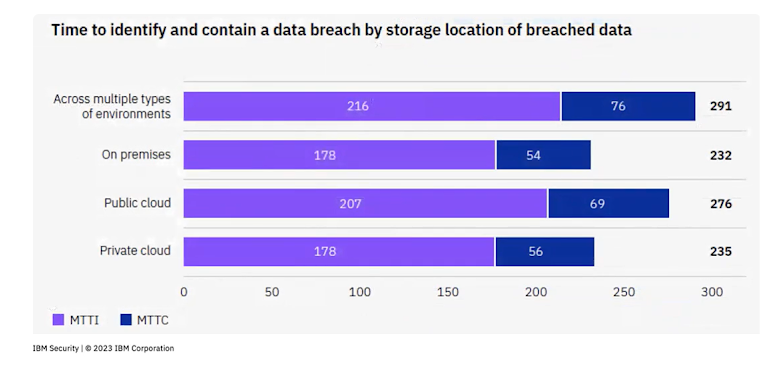
Research conducted by IBM Security found that the time it takes to contain a breach was 291 days across multiple types of environments.
Time is a valuable commodity in a security incident. Every second counts if proper security measures aren’t locked in place.
Conducting a Cyber Risk Assessment is a Good Start
One way to protect yourself from a potential breach is by conducting a thorough cyber risk assessment to get a clear understanding of your critical vulnerabilities and security posture. A cyber risk assessment can show you a detailed breakdown of what data is at risk and how third-party access could compromise any of your systems or critical infrastructure.
Assessments should be performed at least annually to ensure that your security measures are up-to-date.
Here are a few other use cases to perform a cyber risk assessment:
Immediately after a security event occurs
When integrating new technologies to evaluate any risks
To ensure that compliance regulations are met
Onboarding new third-party vendors, partners, and suppliers
When employees change roles or leave the organization
Cyber risk assessments show you where sensitive data is stored, how long it is kept, who has access to the data, and if the data is secured.
Assessments can help you determine if you have the right security policies and controls to protect the data effectively. Once you have a detailed inventory of all assets at risk, you can prioritize future mitigation strategies to reduce the likelihood of a breach.
Cyber risk assessments are a crucial piece of the security puzzle. But what happens when a client decides to file a lawsuit against your business if their data has been compromised?
Why MSPs Need Cyber Insurance
Although you can’t control access permissions of third parties assigned by clients, you can protect yourself in terms of liability and legal ramifications in the event of an actual breach. Cyber insurance can provide financial protection, cover legal expenses, support incident response efforts, and help repair any reputational impact if a breach occurs.
Cyber insurance policies can shield you from the financial fallout of cyber incidents and breaches, including first-party losses like business interruption, data recovery, and ransom extortion fees. It also protects against third-party liabilities such as legal defense costs, settlements, regulatory fines, and penalties.
Another benefit of having cyber insurance coverage is that the insurer can act as the mediator in the event of a dispute. This might involve negotiating with third parties, managing communications with affected clients, or handling regulatory bodies to ensure compliance and mitigate further liabilities.
And it’s not only MSPs who need to have cyber insurance. Data showed that 87% of MSPs are seeing an increase in demand for cyber insurance from clients. Breaches can stem from unpatched software, leaked credentials from a misconfigured AWS S3 cloud bucket to an employee falling for a phishing scam. Regardless of how it happened, the cause is less relevant than the outcome.
Protect Your Business from Breach Disputes with Guardz Cyber Insurance Coverage
Guardz Cyber Insurance can help cover the costs associated with data breaches and legal expenses. Manage and mitigate the impact of a cyber incident without disrupting business operations. Guardz also covers the costs incurred by MSPs and SMEs in investigating the incident and implementing recovery measures to keep business flowing.
Don’t leave anything to chance. Protect your critical assets and demonstrate cyber risk readiness to your clients with Guardz Cyber Insurance.
Version 2 Digital is one of the most dynamic IT companies in Asia. The company distributes a wide range of IT products across various areas including cyber security, cloud, data protection, end points, infrastructures, system monitoring, storage, networking, business productivity and communication products.
Through an extensive network of channels, point of sales, resellers, and partnership companies, Version 2 offers quality products and services which are highly acclaimed in the market. Its customers cover a wide spectrum which include Global 1000 enterprises, regional listed companies, different vertical industries, public utilities, Government, a vast number of successful SMEs, and consumers in various Asian cities.
About Guardz Guardz is on a mission to create a safer digital world by empowering Managed Service Providers (MSPs). Their goal is to proactively secure and insure Small and Medium Enterprises (SMEs) against ever-evolving threats while simultaneously creating new revenue streams, all on one unified platform.