Skip to content

10 Business Email Security Best Practices

What is email security for business?

Email security for business is a rather broad term but can be defined as all the measures companies take to protect their email systems, networks, and data from cyber threats. With hacker techniques becoming more sophisticated every single day, companies must stay on top of the evolving cybersecurity landscape and adjust their security tools and strategies accordingly.

Enterprise email security deals with a much larger scale of email users, infrastructure, and data than email security for small businesses. While the size of the company requires complex, robust, and scalable security solutions, secure online behaviors are universal and protect employees regardless of where they work.

What is Business Email Compromise (BEC)?

BEC is a type of cybercrime that involves impersonating a trusted business contact, such as a CEO or supplier, to trick employees into transferring money or sensitive information. These scams are often the result of careful research and social engineering to create a convincing ruse.

According to the FBI, BEC fraud has cost companies over $26 billion globally since 2016, and the threat continues to grow. Small businesses are particularly vulnerable, as they may not have the resources or expertise to detect and prevent these attacks.

One example of a BEC scam involved the director of Puerto Rico’s Industrial Development Company, Ruben Rivera, who mistakenly made a transaction of $2.6 million to a fake bank account. In another case, Ubiquiti Networks Inc. the San Jose-based manufacturer of high-performance networking technologies, fell victim to a BEC attack that resulted in a loss of $46.7 million.

As the use of email continues to be an essential aspect of business communication, companies must remain vigilant and take proactive measures to defend against the threat of BEC. It applies to all kinds of companies: Email security for small businesses is as fundamental as for big corporations.

Why is email security important?

Email has become an integral part of our digital lives, functioning almost like a virtual ID card that allows us to identify ourselves online and sign up for services. As one of the most popular methods of online communication, our emails contain sensitive information about us. If malicious parties gain access, they can take over the user’s other online accounts, steal their confidential data, and pose serious financial and reputational threats to that user. This is why email is so often targeted by cybercriminals; according to Verizon’s Data Breach Investigations Report, 94% of malware is delivered via email. Given the risks and the frequency of email malware attacks, ensuring email security is crucial, especially in business environments.


Phishing is the number one email security threat

Phishing is a type of digital scam that is especially common in emails. It’s a form of social engineering where a hacker tries to deceive an employee into believing the email is coming from a credible source. Such emails usually have a CTA: it’s like a form of marketing. Except that phishing CTAs usually involve clicking on a malicious link or revealing sensitive company data to outsiders.

Well, just like any other marketer, hackers employ creative techniques to improve the conversion rates of their scams. The more deceitful the email, the higher the conversion rate. That’s why phishing emails can be difficult to spot at times. This highlights the importance of email security for business. Examples of phishing emails include:

  • Account verification scam. You may receive a phishing email that looks something like this: “Due to a recent security threat, we would like to ask you to verify your account by signing in through the link below. Failing to do so will result in the permanent deactivation of your account.”

  • Fake invoice scam. Hackers may send out emails saying, “We still haven’t received your payment for our services. Please use the link below to complete the transaction.”

  • Spear phishing. This is a more advanced and tailored form of phishing that requires hackers to do some research on your company. For instance, an employee may receive an email that looks like it’s coming from a specific coworker, instructing them to visit a website or disclose information.

Best practices for business email security

Falling for phishing scams can expose your company to data breaches and malware. Taking steps to appropriately ensure the security of your email will help protect your business from phishing and other forms of cybercrime:

1. Conduct phishing awareness training

Emails usually get breached through employee negligence and lack of knowledge. So the first way to increase email cybersecurity is to raise awareness about the main threat: phishing. All employees should receive in-depth training on email threat protection — recognizing and avoiding attempted phishing schemes. The main points to cover here are:

  • Becoming familiar with the main phishing schemes

  • Being suspicious about unusual requests

  • Never click on random links received through email

Once employees are familiar with these precautions, your company’s susceptibility to phishing emails will significantly decrease and your business email security will improve in general.

Email attachments and suspicious links are the most common methods cybercrooks use to spread malicious software. To establish well-functioning business or corporate email security, ensure your employees know these devious practices and are trained to spot them in real-life situations. With time and a lot of practice, your team will develop a sense of suspicious email links and attachments, which should considerably lower the potential attack vector and significantly improve your overall security posture.

3. Enable multi-factor authentication

You can make your account safer from hackers by connecting your smartphone to your email. Even if the passwords to your email accounts are leaked, no outsiders will be able to access them without having access to the device it’s connected to. All vital business accounts, not just email accounts, should have multi-factor authentication enabled.

4. Avoid using email when on public Wi-Fi

Public Wi-Fi poses massive risks to email security. If it’s unencrypted (which it often is), anybody can connect to the same network. You never know when a hacker will be that someone.

If a hacker intercepts your connection with unencrypted public Wi-Fi and catches you logging into your email, they can steal your email password. It’s best to steer clear of public Wi-Fi altogether, but if connecting to it is necessary, never transmit important data while on it.

5. Avoid using business emails for private purposes and vice versa

Most office jobs these days come with an email address. Some people get the temptation to use the new email address for all sign-ins. Need to sign up for a new streaming service? Well, why not use your brand-new business email for that? Everybody else does it, anyway, right?

At first, it might sound like a great idea. Yet using your enterprise email for private purposes and vice versa could cause significant security concerns for you as an individual and the company.

First, using a company email for your personal online activities allows for easier and simpler profiling. Consequently, that could lead to spear-phishing — a targeted phishing campaign or other targeted cyberattacks.

6. Encrypt company email

Encrypting company email using special email security software is a great way to steer hackers away. Encryption ensures that the only people able to view the emails are the sender and recipient. If a hacker intercepts an employee’s Wi-Fi connection or email account, they will not see any sensitive data.

7. Set up email security protocols

Email security protocols are immensely important because they provide an extra layer of security to your digital communications. The protocols are designed to ensure the safety of your communications as they pass through webmail services over the internet. Without the aid of email security protocols, bad actors can intercept communication in a relatively easy manner. Please familiarize yourself with the three most popular email security protocols and enable them to ensure secure communications.

  • Transport Layer Security (TLS): TLS — the successor of SSL, Secure Sockets Layer, protocol — encrypts email messages when they travel between mail servers. It makes it much harder for hackers to intercept the communication and eavesdrop.

  • Domain Keys Identified Mail (DKIM): DKIM adds a digital signature to emails, allowing receiving mail servers to verify the authenticity of the messages. It protects the company servers from phishing attempts and tampering emails.

  • Sender Policy Framework (SPF): SPF allows domain owners to create a list of mail servers that are authorized to send emails on behalf of their domain. When a company server receives the message, it can authenticate the sender by comparing its email address with the SPF records.

8. Improve endpoint security

To further fortify your security stance, take action to improve your endpoint security. Often the easiest and most effective way to boost endpoint security is by implementing security tools for company-wide use.

Consider deploying a VPN like NordLayer — a tool that encrypts the internet connection and data transferred over your business network. Antivirus software is another tool that should be used on all business workstations to ensure a proactive defense.

9. Don’t change passwords too often

Password fatigue is a fact of life — today, the average user has about 100 passwords on their hands. Keeping track of all the passwords is a challenge.

The conventional wisdom regarding password security is that you should change your passwords every 90 days. While that might sound like a reasonable security practice, it could lead to simpler and easy-to-crack passwords being used.

If you know that your employees take password hygiene seriously and craft hard-to-guess passwords and that none of their passwords were ever leaked, then they should stick to the passwords they already use. If any password (no matter how strong it is) is leaked or breached — the change should be immediate.

10. Use strong passwords for email accounts

Strong passwords are the backbone of account safety. Yet businesses often fail to secure their emails with strong passwords. If your business is like this, you should know that the easier the password, the easier it is to hack, especially through brute-force attacks. Brute-force attacks are when hackers try to guess a password by flooding your account with thousands of attempts.

To protect your business email from such attacks, ensure everyone in your organization secures their passwords. Secure email passwords are:

  • Long

  • Complicated

  • Contain different types of characters

  • Unique (never reused from other accounts)

These points are crucial if you want to ensure the safety of your business. However, passwords that are difficult to hack are also difficult to remember. The last thing anyone would want is to secure their account so well that they couldn’t even access it themselves.

Luckily, the business password manager and the enterprise password manager by NordPass can come to the rescue. If all members of your company use it for their accounts, their emails will be safe, and they won’t need to scratch their heads trying to remember their passwords.

Bottom line

Business email security is never a given. Even though platforms like Gmail or Outlook do their best to ensure the safety of their users, you can easily fall victim to hackers if you don’t actively protect your account. By following these ten email security best practices, the chances of getting your business emails hacked will be much slimmer because hackers will likely prefer more vulnerable prey.

About Version 2 Digital

Version 2 Digital is one of the most dynamic IT companies in Asia. The company distributes a wide range of IT products across various areas including cyber security, cloud, data protection, end points, infrastructures, system monitoring, storage, networking, business productivity and communication products.

Through an extensive network of channels, point of sales, resellers, and partnership companies, Version 2 offers quality products and services which are highly acclaimed in the market. Its customers cover a wide spectrum which include Global 1000 enterprises, regional listed companies, different vertical industries, public utilities, Government, a vast number of successful SMEs, and consumers in various Asian cities.

About NordPass
NordPass is developed by Nord Security, a company leading the global market of cybersecurity products.

The web has become a chaotic space where safety and trust have been compromised by cybercrime and data protection issues. Therefore, our team has a global mission to shape a more trusted and peaceful online future for people everywhere.

Back to School: How SafeDNS Helps Schools Meet Key Regulations

As summer draws to a close, students, parents, and educators across the world are preparing for the annual ritual of going back to school. It is that exceptionally busy season of the year when school supplies are being bought, schedules are being organized, and syncing with new routines is being established. However, in recent years, the back-to-school season has also sparked growing concerns in the cybersecurity landscape. With the increasing integration of technology into classrooms, the vulnerabilities and challenges in protecting sensitive data have become alarmingly pronounced.  

The American education system is undergoing a rapid digital transformation, with technology becoming the cornerstone of how students learn and teachers instruct. From online learning platforms and digital grading systems to a vast array of educational technology (ed-tech) products, this integration has proven to be a double-edged sword. While it enhances the learning experience, it also exposes schools to significant cybersecurity risks. The COVID-19 pandemic accelerated this shift, forcing schools to adopt remote learning almost overnight. This swift transition highlighted both the potential and the pitfalls of digital education, particularly concerning the cybersecurity infrastructure of educational institutions.

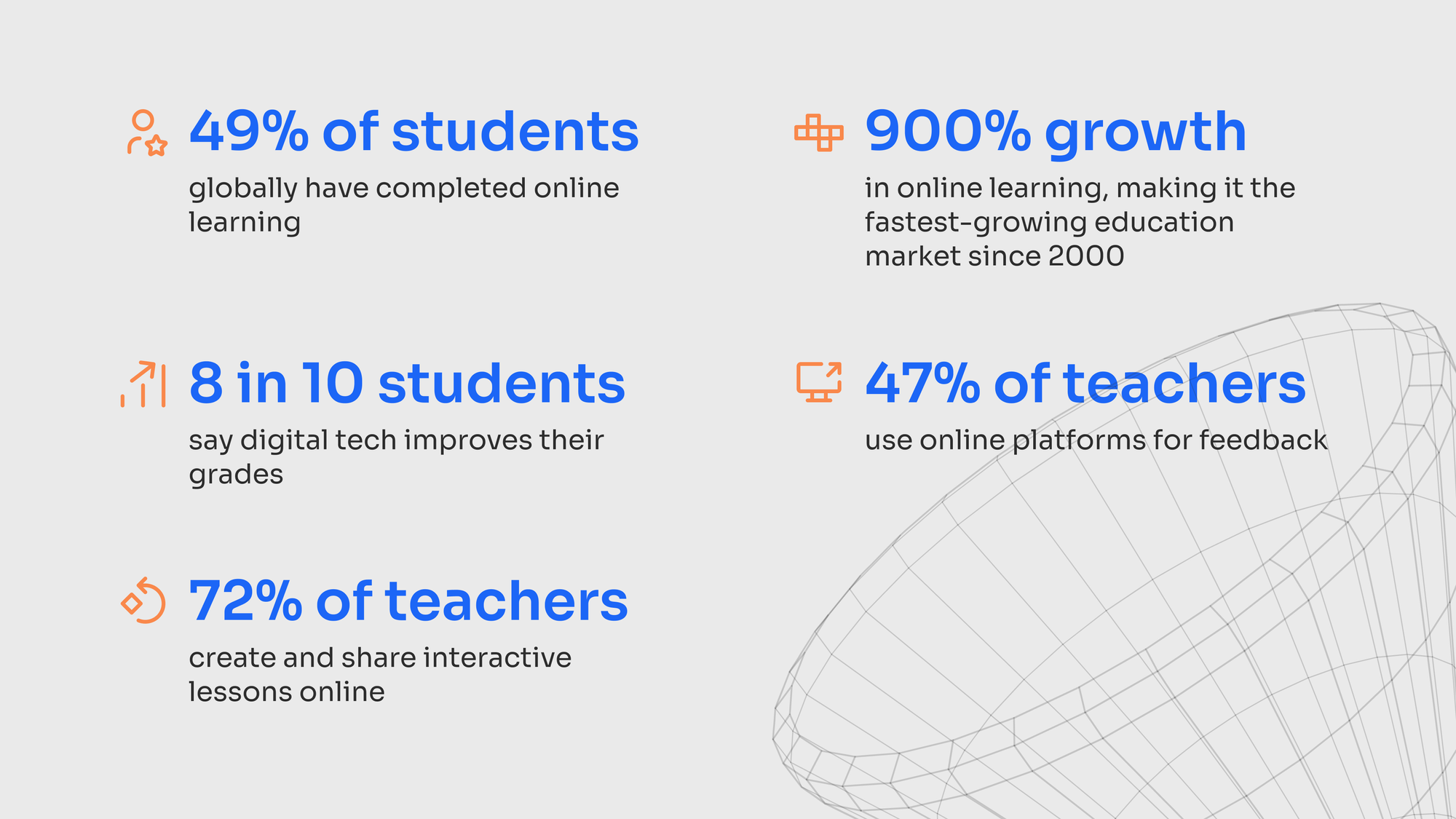
Here are some key data points you should know:

One of the primary concerns is the protection of student data. Schools collect and store a vast amount of sensitive information, including names, addresses, Social Security numbers, and academic records. This data is often inadequately protected, making it a prime target for cybercriminals. In 2023 alone, several high-profile data breaches occurred within school districts across the country, exposing the personal information of thousands of students and staff.

Another critical issue is the security of online learning platforms. With the rise of remote and hybrid learning, schools have increasingly relied on various digital tools to facilitate education. However, not all these platforms are designed with cybersecurity in mind. Some have been found to have weak encryption, poor access controls, and vulnerabilities that can be exploited by hackers. The consequences of such breaches can be devastating, leading to unauthorized access to sensitive information and disruptions to the learning process.

Phishing attacks have also become increasingly rampant in the education sector. Cybercriminals often target schools with emails that appear to be from trusted sources, such as administrators or educational service providers. These phishing emails can deceive staff into revealing login credentials or downloading malware, which can then compromise the entire school network. The situation is exacerbated by the fact that many educators and administrators lack adequate training in cybersecurity best practices, leaving schools vulnerable to these types of attacks.

Given the rising threats, the importance of cybersecurity in schools cannot be overstated. Securing digital spaces where students and teachers work, connect, and learn is essential to protect personal data and ensure that the educational process remains smooth and uninterrupted. Without proper cybersecurity measures, schools risk losing the trust of students, parents, and staff, which can have far-reaching consequences for the entire education system.

A comprehensive understanding of the regulations and compliance requirements in place is crucial for enhancing cybersecurity in schools across the United States. Key laws such as the Family Educational Rights and Privacy Act (FERPA), the Children’s Online Privacy Protection Act (COPPA), and the Children’s Internet Protection Act (CIPA) are designed to safeguard student data and ensure that schools adhere to best cybersecurity practices. However, the challenge lies in the consistent application of these rules and ensuring that schools have the resources needed to maintain compliance.

Essential Laws for Protecting Student Data Online:

Family Educational Rights and Privacy Act (FERPA): FERPA is a federal law that protects the privacy of student education records. It gives parents and eligible students the right to access and control these records. Schools must handle student information securely and ensure it is not disclosed without proper authorization. Non-compliance with FERPA can result in the loss of federal funding and other penalties.

Children’s Online Privacy Protection Act (COPPA): COPPA focuses on protecting the online privacy of children under the age of 13. It requires websites and online services directed at children to obtain parental consent before collecting personal information. This law is crucial in safeguarding children’s data, particularly as more young students engage with online learning platforms.

Children’s Internet Protection Act (CIPA): CIPA mandates that schools and libraries receiving federal funding for internet access implement measures to protect students from harmful online content. Compliance with CIPA involves the use of internet filters, monitoring the online activities of minors, and educating students about appropriate online behavior.

By using SafeDNS, schools can protect student data, promote safe internet browsing, and stay aligned with crucial cybersecurity regulations. Plus, SafeDNS goes above and beyond by meeting top international standards. We’re talking about the Internet Watch Foundation (IWF), the Federal Office for Information Security (BpjM), and the Canadian Centre for Child Protection’s Project Arachnid. SafeDNS isn’t just about compliance—it’s about setting the gold standard for online safety in education.

Others are the support that SafeDNS gives for compliance with the UK data protection standards and the general data protection law of Canada. Even though the UK has already exited from the European Union, the practices of the law GDPR continue to guard the expectations as stipulated in it, mandating learning institutions to be transparent in the handling of student data, accessing it only after allowance when needed.SafeDNS also answers keeping in line with Keeping Children Safe in Education (KCSIE) in the United Kingdom, which ensures that schools maintain proper standards in safeguarding students on the internet. This, thus, makes SafeDNS a one-stop solution for schools to maintain a safe online environment while still being compliant with all data protection regulations, both local and international.

As technology continues to reshape the educational landscape, protecting sensitive student data has never been more critical. Adhering to key regulations like FERPA, COPPA, and CIPA is essential, but ensuring consistent compliance can be challenging without the right tools. SafeDNS provides a robust solution, helping schools meet these regulatory requirements and beyond, ensuring a secure and smooth learning experience for everyone involved. By adopting SafeDNS, schools can safeguard students’ privacy, maintain trust, and keep the educational process safe and uninterrupted.

About SafeDNS
SafeDNS breathes to make the internet safer for people all over the world with solutions ranging from AI & ML-powered web filtering, cybersecurity to threat intelligence. Moreover, we strive to create the next generation of safer and more affordable web filtering products. Endlessly working to improve our users’ online protection, SafeDNS has also launched an innovative system powered by continuous machine learning and user behavior analytics to detect botnets and malicious websites.

About Version 2 Digital

Version 2 Digital is one of the most dynamic IT companies in Asia. The company distributes a wide range of IT products across various areas including cyber security, cloud, data protection, end points, infrastructures, system monitoring, storage, networking, business productivity and communication products.

Through an extensive network of channels, point of sales, resellers, and partnership companies, Version 2 offers quality products and services which are highly acclaimed in the market. Its customers cover a wide spectrum which include Global 1000 enterprises, regional listed companies, different vertical industries, public utilities, Government, a vast number of successful SMEs, and consumers in various Asian cities.

Penta Security Applauded by Frost & Sullivan for Its Comprehensive Web Security Solution and Market-leading Position

Accessibility and scalability offered by Penta Security’s WAF allow it to stand out among local customers in South Korea compared to international industry participants that do not support domestic cloud environments. 

Frost & Sullivan recently assessed the web application firewall industry and, based on its analysis, recognizes Penta Security Inc. with the 2024 South Korean Company of the Year Award. The company offers web and data security products and services. Unlike standard intrusion prevention systems or next-generation firewall solutions (an alternative for web firewalls that lack comprehensiveness), Penta Security’s WAPPLES, including WAPPLES SA, and Cloudbric WAF+ include API, SSL, and L7 security protections. Penta Security’s WAPPLES differentiates its WAF from other industry participants through its patented logic-based detection Contents Classification and Evaluation Processing (COCEP™) engine. Unlike WAFs based on signature-matching detection, Penta Security’s WAPPLES does not rely on signature updates and lengthy learning periods. It allows the company to conduct security patching and fix vulnerabilities without delay.

Penta Security balances providing application security with performance as a cybersecurity leader in the South Korean WAF space. Its WAF fits different deployments, such as WAPPLES, the on-premises appliances, WAPPLES SA, the software appliances for Cloud, and cloud-based Cloudbric WAF+, differentiating it in the industry. WAPPLES also supports public and local Asia-Pacific cloud environments. Penta Security outshines competitors due to its ability to understand and meet local customer needs with offerings that exemplify best practices implementation. The company’s advanced API security functions (XML, JSON, YAML, GraphQL protection rules), advanced threat IP and bot reputation check functions, and additional add-ons respond to countless web threats based on malicious IPs.

Ying Ting Neoh, industry analyst at Frost & Sullivan, observed, “Penta Security demonstrates leadership focus and visionary strategy in leveraging WAF industry megatrends in South Korea through its integrations with in-house and third-party security solutions and its commitment to technological innovations that offer customers a comprehensive suite of application security portfolios.”

Penta Security provides round-the-clock support backed by over 200 employees to resolve customer difficulties and service failures through its online communication systems. Besides offering local customers access to advanced technologies, world-class experience, and support, Penta Security’s extensive connections, channel partners, and collaborators expand its reach so it can globally engage with customers. The company makes its application security solutions accessible to different customer segments while aligning them with local customer needs. This further strengthens the company’s leadership position in South Korea’s WAF industry. It successfully maintains its position in the South Korean WAF space, over a 50% market share, due to its broad portfolio and ability to retain optimal network performance after introducing WAPPLES to customers’ environments.

“Owing to steady business performance in recent years, Penta Security has positioned itself as an industry leader in South Korea. The company’s visionary strategy is based on its commitment to implementing best practices and leveraging the cloud industry’s rapid growth to develop cloud-based WAF, a valuable addition to its application security portfolio and growth pipeline,” added Neoh. With its strong overall performance, Penta Security earns Frost & Sullivan’s 2024 South Korean Company of the Year Award in the WAF industry.

Each year, Frost & Sullivan presents a Company of the Year award to the organization that demonstrates excellence in terms of growth strategy and implementation in its field. The award recognizes a high degree of innovation with products and technologies, and the resulting leadership in terms of customer value and market penetration.

Frost & Sullivan Best Practices awards recognize companies in various regional and global markets for demonstrating outstanding achievement and superior performance in leadership, technological innovation, customer service, and strategic product development. Industry analysts compare market participants and measure performance through in-depth interviews, analyses, and extensive secondary research to identify best practices in the industry.

About Frost & Sullivan

For six decades, Frost & Sullivan has been world-renowned for its role in helping investors, corporate leaders, and governments navigate economic changes and identify disruptive technologies, megatrends, new business models, and companies to action, resulting in a continuous flow of growth opportunities to drive future success. Contact us: Start the discussion. Contact us: Start the discussion.

About Version 2 Digital

Version 2 Digital is one of the most dynamic IT companies in Asia. The company distributes a wide range of IT products across various areas including cyber security, cloud, data protection, end points, infrastructures, system monitoring, storage, networking, business productivity and communication products.

Through an extensive network of channels, point of sales, resellers, and partnership companies, Version 2 offers quality products and services which are highly acclaimed in the market. Its customers cover a wide spectrum which include Global 1000 enterprises, regional listed companies, different vertical industries, public utilities, Government, a vast number of successful SMEs, and consumers in various Asian cities.

About Penta Security
Penta Security takes a holistic approach to cover all the bases for information security. The company has worked and is constantly working to ensure the safety of its customers behind the scenes through the wide range of IT-security offerings. As a result, with its headquarters in Korea, the company has expanded globally as a market share leader in the Asia-Pacific region.

As one of the first to make headway into information security in Korea, Penta Security has developed a wide range of fundamental technologies. Linking science, engineering, and management together to expand our technological capacity, we then make our critical decisions from a technological standpoint.

Identity Lifecycle Management: A Comprehensive Guide

A key part of safeguarding an organization’s critical infrastructure is ensuring that user identities are effectively created, changed, and disabled when employees join the company, shift departments, get promoted, and leave the organization. This is essential for businesses to protect sensitive information. In fact, according to a recent survey[1], 42% of the respondents felt that security gaps in their organizations were the primary area of concern.
identity lifecycle management
What is Identity Lifecycle Management? 
This is where identity lifecycle management becomes critical for businesses to grant users access to required data. In this blog, we will explore the core concept of identity lifecycle management, how it works, its phases, and its benefits.

Exploring the Concept: What is Identity Lifecycle Management?

Identity Lifecycle Management (ILM) is all about managing user identities from when they join an organization to when they leave. It’s like having a detailed plan to ensure every employee has the right access to the right resources exactly when they need them. By using ILM, companies can boost security, streamline operations, and stay on top of regulatory requirements, ensuring everything runs smoothly and securely. So, what does the identity lifecycle management really include? Think of it as three main steps:
  • Getting new users set up (user provisioning)
  • Keeping their access up-to-date as they move around the company (access management)
  • Safely removing their access when they leave (user de-provisioning)
User provisioning ensures new hires have everything they need from day one. Access management adjusts permissions as employees’ roles change, and user de-provisioning ensures access is promptly and securely revoked when someone leaves. This holistic approach minimizes risks and keeps unauthorized access at bay, ensuring a secure and compliant environment throughout the user’s journey in the organization.

How Does Identity Lifecycle Management Work?

Identity Lifecycle Management (ILM) is a structured process that manages user identities throughout the user’s entire journey within an organization, from joining to departure. Here’s a straightforward look at how ILM works:

1. User Provisioning

The ILM process begins with user provisioning. When a new employee joins the company, their digital identity is created. This means setting up their login credentials, assigning them to the right teams, and granting them access to the necessary tools and resources. Automated workflows often handle this step, ensuring that new hires are ready to go from day one without any hitches.

2. Access Management

Once the new user is set up, the focus shifts to access management. This involves maintaining and adjusting access permissions as the user’s role evolves within the company. For example, if someone gets promoted or moves to a different department, their access rights need to be updated to match their new responsibilities. Access management ensures that users have the appropriate level of access—just enough to do their job, but no more. This minimizes security risks and keeps everything running smoothly.

3. Monitoring and Reporting

Continuous monitoring and reporting are crucial for ensuring that the ILM process is effective and secure. This step involves tracking user activities, access patterns, and any anomalies that might indicate security issues. Regular reports help in auditing access controls, identifying potential risks, and ensuring compliance with security policies. By keeping a close eye on user activities, organizations can quickly respond to any suspicious behavior and maintain a high level of security.

4. User De-provisioning

The final phase is user de-provisioning, which happens when an employee leaves the organization. It’s critical to revoke their access promptly to protect the company’s data and systems. Automated de-provisioning processes ensure that this is done quickly and thoroughly, preventing any former employees from accessing company resources after their departure.

Key Identity Lifecycle Management Features and Functions

Effective Identity Lifecycle Management (ILM) relies on a set of essential features and functions that streamline the management of user identities throughout their lifecycle. Here are the key components that make ILM indispensable for modern organizations:

1. Automated User Provisioning

Automated user provisioning ensures new employees are set up quickly and accurately with the necessary access rights and permissions. This automation reduces errors, saves time, and enables new hires to be productive from day one.

2. Role-Based Access Control (RBAC)

Role-based access control (RBAC) allows organizations to assign permissions based on the roles within the company. This ensures that employees have the appropriate level of access required for their job functions, enhancing security and efficiency.

3. Access Review and Certification

Regular access reviews and certifications are crucial for maintaining up-to-date access controls. This feature involves periodic audits of user permissions to ensure they align with current job roles and responsibilities, helping to prevent unauthorized access.

4. Self-Service Password Management

A user-friendly feature that enhances productivity is self-service password management. It allows users to reset their passwords and manage their credentials without needing IT support, reducing downtime and easing the burden on IT teams.

5. Monitoring and Reporting

Continuous monitoring and detailed reporting are essential for maintaining a secure and compliant ILM system. This feature tracks user activities and access patterns to identify irregularities or potential security threats, with regular reports providing insights into access controls and compliance status.

6. Audit and Compliance Management

ILM systems include strong audit and compliance management features to help organizations meet regulatory requirements. These tools provide detailed logs of user activities, access changes, and system modifications, ensuring preparedness for audits and demonstrating adherence to industry standards.

7. User offboarding

Secure user offboarding is critical when an employee leaves the organization. This feature ensures that all access rights are promptly revoked and the user’s digital identity lifecycle is effectively terminated, preventing any residual access and safeguarding against potential security breaches.

8. Integration with Existing Systems

Effective ILM solutions seamlessly integrate with existing IT infrastructure, including HR systems, directories, and various applications. This integration ensures that identity management processes are cohesive and streamlined across the organization.

The Importance of Identity Lifecycle Management (ILM)

The importance of ILM in modern organizations cannot be overstated. Here are five key reasons why ILM is essential:
  • Operational Productivity: The benefits of automated ILM include streamlined processes for user onboarding, access management, and de-provisioning, which save time and reduce administrative overhead.
  • Regulatory Compliance: ILM helps organizations comply with industry regulations and standards by maintaining accurate and up-to-date access controls and audit logs.
  • Improved User Experience: Automated ILM provides users with quick and efficient access to necessary resources, improving overall productivity and satisfaction.
  • Risk Mitigation: Continuous monitoring and regular access reviews identify and address potential security risks, ensuring a secure IT environment.

Identity Lifecycle Management Best Practices

Implementing best practices in identity lifecycle management ensures a secure, efficient, and compliant system. Here are some key practices to follow:
  • Automate the ILM Process: Automating the identity lifecycle management process helps streamline user provisioning, access management, monitoring, and de-provisioning, reducing errors and administrative burdens.
  • Regular Access Reviews: Conduct regular access reviews to ensure users have appropriate permissions. This helps in maintaining security and compliance by identifying and rectifying any unauthorized access.
  • Strong Authentication Mechanisms: Implement strong authentication methods, such as multi-factor authentication (MFA), to enhance security across the identity lifecycle phases.
  • Enforce the Least Privilege Principle: Apply the principle of least privilege by ensuring users have the minimum level of access required to perform their tasks. This minimizes the risk of unauthorized access and potential security breaches.
  • Comprehensive Monitoring and Reporting: Utilize continuous monitoring and detailed reporting to track user activities and access patterns. This enables quick identification and response to any anomalies or security threats.
The identity lifecycle management phases include onboarding (user provisioning), access management, monitoring and reporting, and offboarding (user de-provisioning). Following these best practices across each phase ensures a secure identity lifecycle management framework.

The Difference Between ILM and Privileged Access Management

Identity Lifecycle Management (ILM) and Privileged Access Management (PAM) are both crucial for keeping an organization secure, but they focus on different things. ILM is all about managing every user’s identity from the day they join the company to the day they leave. It makes sure everyone has the right access to do their job and nothing more, covering tasks like setting up new user accounts, adjusting permissions as roles change, and revoking access when someone leaves. On the other hand, Privileged Access Management (PAM) is specifically about handling accounts that have elevated access rights – think of admin accounts that can make significant changes to systems or access sensitive data. PAM’s job is to keep these high-level accounts under strict control and constant watch, using tools like session monitoring and secure storage for credentials to prevent misuse. In short, while ILM looks after the lifecycle of all user identities, ensuring smooth and secure access throughout, PAM zeroes in on the more sensitive, high-risk accounts that need extra security measures. Both play vital roles but focus on different aspects of managing and securing user access.

Streamline Identity Lifecycle Management with Scalefusion OneIdP

Scalefusion OneIdP enables businesses to enhance their security posture through comprehensive identity, access, and endpoint management. It features efficient single sign-on (SSO) capabilities, advanced conditional access controls, and seamless integration with existing directory services. By leveraging these capabilities, Scalefusion OneIdP simplifies the identity lifecycle management process while improving security and compliance, making it a vital tool for modern organizations. Explore OneIdP, a UEM-integrated identity and access management solution, to minimize your attack surface.

About Version 2 Digital

Version 2 Digital is one of the most dynamic IT companies in Asia. The company distributes a wide range of IT products across various areas including cyber security, cloud, data protection, end points, infrastructures, system monitoring, storage, networking, business productivity and communication products.

Through an extensive network of channels, point of sales, resellers, and partnership companies, Version 2 offers quality products and services which are highly acclaimed in the market. Its customers cover a wide spectrum which include Global 1000 enterprises, regional listed companies, different vertical industries, public utilities, Government, a vast number of successful SMEs, and consumers in various Asian cities.

About Scalefusion
Scalefusion’s company DNA is built on the foundation of providing world-class customer service and making endpoint management simple and effortless for businesses globally. We prioritize the needs and feedback of our customers, making sure that they are at the forefront of all decision-making processes. We are dedicated to providing comprehensive customer support services, and place emphasis on customer-centric thinking throughout the organization.

What is WebAuthn? A deep dive into passwordless authentication

We’re sorry, passwords – you’re just not enough anymore

There was a time when passwords were our go-to for authentication. When they were made strong, they were reliable, tough to guess, and hard to crack. These days, however, with hackers using highly sophisticated phishing tactics and advanced password-cracking algorithms, passwords have been reduced to a weak link in our security practices. Sad but true.

And so, it’s time for us to explore better options for protecting our accounts and data. This means moving to a passwordless approach, which might sound a bit daunting but can actually make things more secure and user-friendly. Let us explain a bit more.

Limitations of password-based authentication

An average internet user has around 170 online accounts. Let’s suppose you have fewer, say, 40 accounts. Even then, once you start using a strong, 16-character password for each and every one of those accounts, you’ll quickly see it’s not a convenient method of ensuring online protection. And the problem is, it’s not so safe anymore, either.

According to Verizon’s 2023 Data Breach Investigations Report, stolen credentials are among the top three main methods of accessing organizations. This happens for a few reasons. First, many people reuse passwords across multiple accounts, so if one account is compromised, it can lead to others being at risk, too. Second, a lot of people use weak passwords that are easy to guess or crack. Third, cybercriminals trick users into revealing their login details through phishing. Additionally, many users don’t use multi-factor authentication (MFA), which normally provides an extra layer of security when hackers get ahold of their login credentials.

With these security concerns in mind, some organizations have explored the possibility of getting rid of passwords altogether and replacing them with something better. This brings us to WebAuthn.

What is WebAuthn, exactly?

Developed by the World Wide Web Consortium (W3C) in collaboration with the FIDO Alliance, WebAuthn is a web standard for secure authentication based on public-key cryptography. In simpler terms, WebAuthn allows users to log in to websites without using passwords, instead relying on biometrics, security keys, or other authenticators like passkeys.

The main goal of WebAuthn is to provide a more secure alternative to passwords, creating a safer online environment and significantly reducing the risk of phishing and other cyberattacks. Importantly, WebAuthn is backed by major web browsers and platforms, so you get a seamless and secure experience no matter what device or service you’re using.

So, how does WebAuthn work?

The process is pretty straightforward, and once you know the steps, you can easily visualize WebAuthn in action. Here’s how it works in a nutshell:

  1. Signing up: When you register for a service, the server sends a random value (also known as a “challenge”) to your device.

  2. Creating keys: Your device uses this challenge to generate a pair of keys: a public key, which is sent to and stored on the server, and a private key, which remains safely on your device.

  3. Logging in: Each time you log in, the server sends a new challenge. Your device encrypts this challenge with the private key, and the server verifies the encrypted data using the public key it has stored.

The whole idea is to keep your private key safe, even if the server gets hacked. This way, unauthorized parties can’t get access because the private key never leaves your device.


The benefits of WebAuthn

The WebAuthn standard is a real game-changer for everyone involved, though the benefits vary depending on whether you’re an end-user or a business. So, let’s now break down what each side can potentially gain and dive into how WebAuthn can help both hit a home run.

End-users

The biggest benefit for users is how much easier and quicker logging in becomes. No more hassle with complex passwords – often, it’s just one click to get into your accounts. And you don’t have to stress about security, either. WebAuthn boosts your privacy by using advanced cryptography, making it nearly impossible for cybercriminals to get into your accounts. Plus, it seriously cuts down on the risk of password theft and phishing attacks.

Businesses

For businesses, WebAuthn is a way to fight off the growing threat of credential-based cyberattacks. By adopting this standard, organizations can enhance their security posture with minimal disruption, as WebAuthn integrates smoothly with existing systems and workflows. This transition also translates into cost savings and improved operational efficiency by reducing password-related support requests. Not to mention the fact that businesses that implement WebAuthn can elevate their reputation by being seen as security-conscious.

Thanks to organizations like the FIDO Alliance, WebAuthn is gaining traction across many different sectors. In e-commerce, it’s revolutionizing the way customers log in and pay, making transactions more secure and smoother. Banking institutions have started to use WebAuthn to safeguard online transactions and account access, adding a robust defense against unauthorized access. Social media sites are also jumping on board, using WebAuthn to fend off phishing attacks and streamline the login process for their users. There are many other industries where WebAuthn has made a significant impact, which is why it’s becoming a technology that might soon make passwords a relic of the past.

Challenges and limitations

This might sound a little bold, but there are no major challenges or limitations when dealing with WebAuthn. While there might be some obstacles, they can be easily addressed with common-sense actions or by using available tools. Let us explain.

First, for WebAuthn to work properly and provide the right level of security, biometric data must be handled with the utmost care, ensuring it is protected against unauthorized access and misuse. This is a straightforward practice and essential for maintaining user trust. Though some might find this a big challenge, it is manageable with current security protocols and best practices, making it more of a standard requirement than a hurdle.

Second, some might argue that reliance on biometric devices may not be universally available or convenient for all users. However, as biometric technology becomes more prevalent in our digital lives, this concern is diminishing. NordVPN’s survey shows that more than 50% of Americans use biometrics daily, while other research indicates that over 80% of smartphones have biometric capabilities. So, we’re on track to make it a global standard.

Third, some claim that implementing passwordless solutions can be complex for developers, requiring companies to make significant investments and extra effort. However, there are already tools available that simplify this process, enabling businesses to implement password-free logins based on passkeys with ease. One such tool is Authopia.

Introduce passwordless logins for your customers today

Dedicated to helping organizations make passwordless options part of their login experience, we’ve created a tool called Authopia that allows them to easily add a passkey widget to their website or service.

It’s super simple to use: you just grab the pre-written code, have someone with basic IT knowledge implement it, register your product with Authopia, and voilà – you’ve got a passkey option available for your customers. It’s quick, efficient, and doesn’t require a big investment or the hiring of additional IT specialists. So, if you want to be ahead of the curve and enhance your login experience, consider giving Authopia a try.

If you need more info on going passwordless, check out our other materials, like the one where we compare passwords and passkeys to help you decide which is best.

About Version 2 Digital

Version 2 Digital is one of the most dynamic IT companies in Asia. The company distributes a wide range of IT products across various areas including cyber security, cloud, data protection, end points, infrastructures, system monitoring, storage, networking, business productivity and communication products.

Through an extensive network of channels, point of sales, resellers, and partnership companies, Version 2 offers quality products and services which are highly acclaimed in the market. Its customers cover a wide spectrum which include Global 1000 enterprises, regional listed companies, different vertical industries, public utilities, Government, a vast number of successful SMEs, and consumers in various Asian cities.

About NordPass
NordPass is developed by Nord Security, a company leading the global market of cybersecurity products.

The web has become a chaotic space where safety and trust have been compromised by cybercrime and data protection issues. Therefore, our team has a global mission to shape a more trusted and peaceful online future for people everywhere.

×

Hello!

Click one of our contacts below to chat on WhatsApp

×