In today’s data-driven world, businesses rely heavily on their OpenStack clouds to store and manage critical information. However, with the ever-increasing volume and complexity of data, protecting against data loss and ensuring rapid recovery in the event of a disaster is paramount. This is where Storware’s Instant Restore for OpenStack comes in as a revolutionary solution.
What is Instant Restore?
Instant Restore is a feature introduced in Storware Backup and Recovery version 6.1 that enables instant recovery of OpenStack instances directly from backup storage. This eliminates the need for lengthy restore processes, ensuring business continuity and minimizing downtime.
Key Benefits of Instant Restore
Instant Restore offers a multitude of benefits for OpenStack users, including:
Rapid Recovery: Recover instances in seconds, not hours or days, significantly reducing downtime and ensuring business continuity.
Reduced Complexity: Eliminate the need for complex restore procedures, simplifying data recovery operations.
Cost-Effectiveness: Streamline data protection processes, reducing IT overhead and associated costs.
Enhanced Disaster Recovery: Strengthen disaster recovery capabilities by enabling rapid restoration of critical workloads.
How Instant Restore Works
Instant restore for OpenStack requires a few configuration steps on the storage side.
First, you need to expose your synthetic backup destination to your cinder. Every node requires a separate volume type that is defined in the cinder.conf file. This storage class is going to be used during instant restore for newly created volumes (to be replaced by the actual data from backup destination). Note, that your synthetic backup destination may be external to the node – i.e. external DataDomain or simple NFS 4.2 on the remote host, so the idea is just to have contents of the backup destination presented as the volume type in OpenStack and the node.
Once this part is done and inventory synchronization detects new volume types, you need to map them to each of the nodes that you have. From this moment when you run instant restore the volumes that are created using the empty volumes created using these volume types, will be replaced by the ones kept in the backup destination. From the OpenStack perspective, nothing changes and the instance boots from them without the need to restore data back to the OpenStack environment – the I/O operations transparently are happening in the Storware Backup and Recovery.
There is also an option to invoke automatic volume migration once this instance is created. This is useful if you want to immediately start using this instance, but you already know that this instance needs to run on your production storage.
Impact on OpenStack Data Protection and Disaster Recovery
Instant Restore is a game-changer for OpenStack data protection and disaster recovery. Its ability to restore instances in seconds significantly enhances business continuity and reduces the impact of data loss or system failures. Moreover, it simplifies disaster recovery procedures, making it easier for organizations to prepare for and respond to unforeseen events.
Conclusion
Instant Restore is a must-have feature for any organization running OpenStack. Its ability to provide rapid recovery, reduce complexity, and enhance disaster recovery capabilities makes it an essential tool for data protection and business continuity.
About Version 2 Digital
Version 2 Digital is one of the most dynamic IT companies in Asia. The company distributes a wide range of IT products across various areas including cyber security, cloud, data protection, end points, infrastructures, system monitoring, storage, networking, business productivity and communication products.
Through an extensive network of channels, point of sales, resellers, and partnership companies, Version 2 offers quality products and services which are highly acclaimed in the market. Its customers cover a wide spectrum which include Global 1000 enterprises, regional listed companies, different vertical industries, public utilities, Government, a vast number of successful SMEs, and consumers in various Asian cities.
About Storware Storware is a backup software producer with over 10 years of experience in the backup world. Storware Backup and Recovery is an enterprise-grade, agent-less solution that caters to various data environments. It supports virtual machines, containers, storage providers, Microsoft 365, and applications running on-premises or in the cloud. Thanks to its small footprint, seamless integration into your existing IT infrastructure, storage, or enterprise backup providers is effortless.
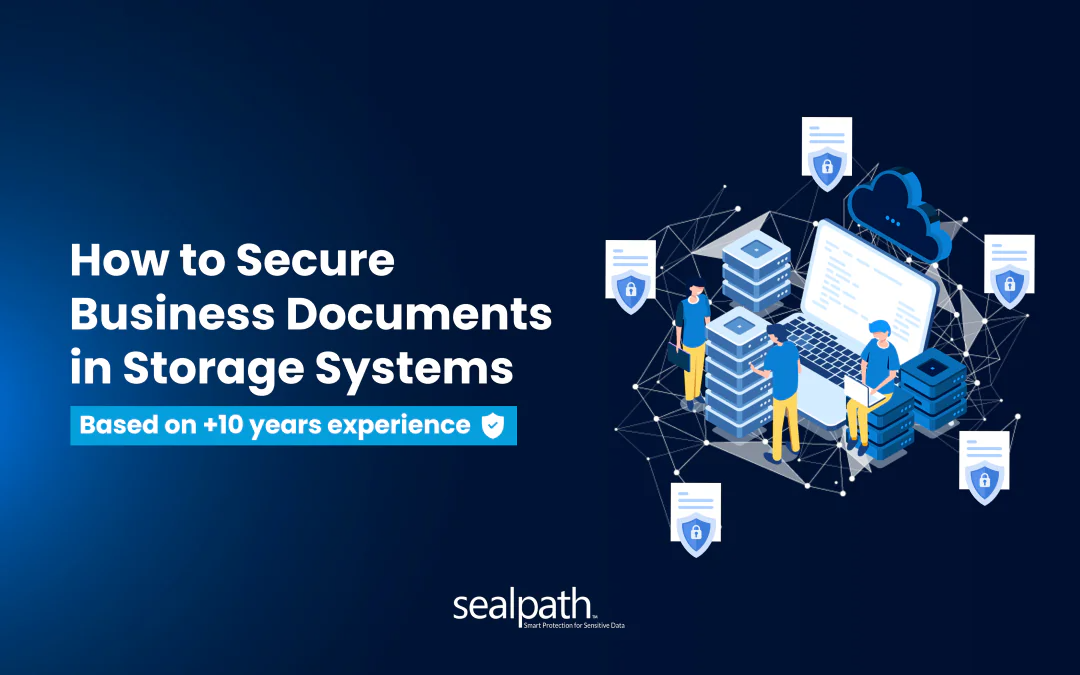
1. Understanding Security Risks and Needs in Storage Repositories
Data breaches rose by 72% between 2021 and 2023 according to the 2023 Data Breach Report by The Identity Theft Resource Center (ITRC), which has underscored the importance of robust document security. The main risks include phishing attacks, Zero-Day vulnerabilities, malware infections such as ransomware, insider threats, and insufficient encryption, all of which can result in significant financial loss, $4.45 million on average according to IBM Cost of a Data Breach Report 2023. Since 2020, the average cost of a data breach has increased 15.3% from $3.86 million. The costs are expected to reach $5 million within the next few years based on this trend.
Let’s take a closer look at the types of threats and the importance of establishing adequate data security measures.
1.1 Why is it Critical Document Security for Businesses?
Document security is paramount for businesses as it safeguards the most valuable digital assets, which have escalated in frequency and severity. Since Cybercriminals have discovered new ways to profit, they have not stopped evolving, and they know that data is a gold mine. Their main motivation is to gain access to the most critical documents and data of companies to make a profit.
The average cost of an organization detecting and escalating a data breach is $1.58 million, according to the IBM 2023 Cost of a Data Breach Report, but cyberattacks have steep financial repercussions: remediation efforts, legal fees, regulatory fines, intellectual property theft, operational disruption, and reputational damage are several factors that account for the total cost. These facts highlight the financial imperative of robust data security measures. Effective document security strategies not only protect sensitive information but also uphold trust, proving invaluable in maintaining client relationships and business integrity. It´s important to highlight the role of CISOs, constantly facing Data Security issues, challenges, risks, and concerns to lay a foundation for enduring resilience and adaptability.
1.2 Types of Threats: Data Security in Document Storage System
Business data at rest in document storage systems face various threats:
Network Infiltration via Phishing: Unauthorized access to business data through stolen credentials, 15% of breaches or infiltration. This is the most common data breach and the initial vector, it accounts for 16% of all breaches according to IBM’s Cost of a Data Breach report.
Malware, Ransomware: Attacks where the files are encrypted, stolen, and used to extort the organization. Ransomware attack victims increased by 128.17% between 2022 and 2023, as detailed in the Security Affairs Ransomware Attacks 2023 Report. According to IBM’s Cost of a Data Breach report, a ransomware attack costs a business $5.13 million on average, constituting 24% of malicious cyberattacks and 62% of financially motivated data breach incidents, 2024 Data Breach Investigations Report by Verizon. Know the real impact of ransomware on businesses here.
Insider threats: In these cases, employees steal critical information for their profit, they can sell it or use it to work for another company that can be interested in developing new products, extending the business, or making improvements. Internal threat actors accounted for 35% of breaches in 2024, indicating a significant increase from previous years according to Verizon´s DBIR 2024.
Third-party breaches: Cybercriminals can also gain access to your critical data leveraging the access privileges of your partners. A recent report by SecurityScorecard reveals that the exploitation of trusted third parties is also an important security concern. Research shows that 29% of breaches have been caused by third-party attacks.
Vulnerabilities: Some attacks can start from a known vulnerability nonpatched or even a Zero-day affecting a service provider or a specific software to penetrate the network with free access to all the documentation. 14% of breaches involved the exploitation of vulnerabilities as an initial access step, almost triple the amount from the 2023 report, as reflected in Verizon’s 2024 Data Breach Investigations Report (DBIR).
2. Evaluation of Current Document Storage Systems
Current document storage systems often display weak points in encryption, access control, and vulnerability to insider threats, underscoring a prevalent insufficiency in data security measures. The lack of robust encryption exposes documents to unauthorized access, while inadequate access controls increase the risks of data leaks. Insider threats further exploit these vulnerabilities, leading to potential breaches.
Did you know that cryptography plays a fundamental role in the current digital era? Explore here the different types of Encryption.
Here comes another concern, when users download files from the document storage system or share them, the risk of data security breaches increases. This action can inadvertently expose sensitive information to unauthorized individuals due to insufficient encryption or secure sharing protocols. Sensitive Information is categorized into different levels, from personal identities to high-risk data.
3. Best Practices in Document Storage Security
As data security experts, it’s essential to stay updated with the latest guidelines for robust document storage security. Here’s a checklist of best practices you should consider:
Implement Advanced Encryption: Ensure all stored documents are encrypted with strong algorithms to protect data at rest. In case of any breach, your documents must be safe from any unauthorized access, having an additional layer of protection. Learn who should encrypt the data in your company, what documents, and its benefits here.
Enforce Multi-Factor Authentication (MFA): Add a layer of security by requiring MFA for system access to avoid infiltration with stolen credentials and make things harder for cybercriminals.
Regularly Update Access Rights: Review and adjust permissions periodically to minimize the risk of unauthorized access. Employees over the years can extend their access permissions even to documents that they don´t currently need. Remember to follow the principle of least privilege (PoLP), as part of the Zero-Trust Security model with internals and externals, where a user only has access to the specific data needed to complete his tasks. Remove access to partners you don´t collaborate more or to ex-employees. Explore the Zero-Trust Security model here.
Employ End-to-End Encryption for Sharing: Protect documents during transit with end-to-end encryption to avoid interceptions or techniques like man-in-the-middle.
Conduct Regular Security Audits and Compliance Checks: Keep track of vulnerabilities and ensure adherence to security policies.
Train Employees in Security Awareness: Educate staff about phishing and social engineering attacks to reduce insider threats.
Utilize Secure Backups: Maintain regular, secure backups of documents to prevent data loss from cyber incidents. It´s also useful against ransomware attacks when restoring all the documentation to the previous status.
Invest in Advanced Data Protection Tools: Use tools that provide real-time monitoring and threat detection for document access such as Enterprise Digital Rights Management Solutions. Don´t rely at all on your perimeter, if it is penetrated your data is defenseless and you lose control of who can access it, and what they can do with it.
3.1 Industry Standards for Secure Document Storage
Adopt ISO/IEC 27001: This is the leading international standard for information security management systems (ISMS). It outlines the requirements for implementing a comprehensive approach to data protection and cyber resilience.
Adhere to GDPR Principles: For organizations operating within or dealing with data from the European Union, following the General Data Protection Regulation’s strict data protection and privacy guidelines is crucial.
Embrace NIST Frameworks: The National Institute of Standards and Technology provides comprehensive frameworks for improving critical infrastructure cybersecurity, applicable to document storage strategies. Check out more about CMMC and NIST here.
Integrate NIS2 Directive Compliance: The recent update to the Network and Information Systems directive, known as NIS2, extends essential requirements for cybersecurity across various sectors. It is vital to align with these evolving rules to ensure resilient infrastructure and robust data protection practices. Incorporating NIS2 helps safeguard against emerging threats and strengthens overall security posture. Check here all you should know about NIS2 Directive.
3.2 Protecting Documents at Rest in Your Storage System
Securing documents at rest within storage systems is foundational to avoiding data breaches and data-related incidents. The cornerstone of this approach lies in adopting a data-centric security model. This perspective prioritizes the protection of the data itself rather than focusing solely on the perimeter. Here are key practices to ensure the safety of your documents at rest:
Encrypt Documents: Encryption transforms your documents into unreadable formats for unauthorized users, providing a robust layer of security. Utilizing advanced encryption standards ensures that even if the storage system is penetrated, the data remains incomprehensible to unauthorized users.
Apply Persistent Security Policies: Security policies that follow your data—no matter where it moves or is stored—offer continuous protection even beyond the repository.
Regularly Update Access Controls: Access controls should be stringent and regularly updated to reflect changes in roles and responsibilities. Implementing least-privilege access ensures individuals have only the access necessary for their roles, significantly reducing the risk of internal threats.
Monitor and Audit Access Logs: Keeping detailed records of who accesses your documents and when provides valuable insights for identifying suspicious activities. Regular auditing of these logs helps detect anomalies early and can aid in rapid response to potential breaches.
Implement Secure Backup Solutions: Secure, encrypted backups protect against data loss due to system failures, ransomware attacks, or other disasters. Regularly tested backups ensure that critical documents can be recovered swiftly, maintaining business continuity.
Adopting a data-centric approach to document security at rest empowers organizations to protect their most valuable assets effectively. It elevates the emphasis on the data itself, ensuring comprehensive protection that aligns with the evolving landscape of cyber threats.
3.3 Securing Document Access and Sharing
Ensuring secure access and sharing of documents is crucial to maintaining productivity while safeguarding sensitive information. Effective security strategies should enhance, not hinder, the ability of team members to collaborate and perform their tasks efficiently. Here are key practices to optimize both security and user experience:
Implement Role-Based Access Control (RBAC): Assign document access based on the roles within an organization to ensure that employees have the necessary permissions to fulfill their duties without compromising security. This proven approach minimizes risk and simplifies management.
Use Secure Collaboration Tools: Opt for proven, secure platforms for document sharing and collaboration. These tools should offer end-to-end encryption and compliance with data protection regulations, ensuring that information remains protected during transmission and access.
Educate and Train Employees: Continuously educate your workforce on the best practices for document security, including secure handling and sharing protocols. Regular training enhances awareness and adherence to security policies without impacting productivity.
Enable Secure Mobile Access: With the rise of remote work, providing secure mobile access to documents is essential. Use secure containers or apps that allow employees to access documents safely from any device, ensuring productivity from anywhere without compromising data integrity.
Monitor and Audit Document Access and Sharing: Continuous monitoring and auditing provide insights into document access and usage patterns. This helps identify potential security risks proactively and ensures compliance with internal and external regulations.
Incorporating these strategies can significantly enhance document security while supporting dynamic and efficient collaboration across your organization. This balanced approach not only protects sensitive data but also supports the natural workflow of teams, ensuring business operations are both safe and streamlined.
4. Technologies to Enhance Document Security in Repositories
Implementing robust security technologies within document repositories is essential for safeguarding sensitive data. These technologies must enhance security without compromising user productivity, ensuring seamless access and collaboration. Below, we outline key technologies:
Traditional Encryption: Ensures that data is only readable by authorized users who own the key, even in a breach. Provides a foundational layer of security for documents stored in repositories, maintaining confidentiality and integrity.
Identity and Access Management (IAM): Controls who has access to your organization’s documents, ensuring only authorized individuals can view or edit. Streamlines user access enhances security through multi-factor authentication (MFA) and reduces the risk of unauthorized access.
Data Loss Prevention (DLP): Monitors and controls data transfers, preventing sensitive information from leaving the secure environment. Offers proactive security by identifying and blocking potential breaches or data loss incidents, ensuring compliance with regulations.
Enterprise Digital Rights Management (EDRM): Secures documents throughout their lifecycle, even beyond the repository after they’ve been downloaded or shared. Allows control over who can view, edit, copy, or print documents, enforcing security policies directly on the document itself. It also enables you to access traceability, alerts of attempts, and auditing capabilities. It combines the best of Identity and access management + encryption + permissions management + Monitoring. Here we developed a complete guide on how to deploy an EDRM successfully.
Anomaly Detection Systems: Uses machine learning to detect unusual access patterns or modifications to documents that may signify a security threat. Provides early warning of potential security incidents, allowing for rapid response to mitigate risks.
Choosing the right technology requires a balance between security, effectiveness, and usability. By carefully considering the value and benefits of each option, organizations can implement effective security measures that protect sensitive documents in repositories without obstructing users’ access or their ability to collaborate.
5. Implementing a Secure Document Storage Strategy
Establishing a secure document storage strategy is vital for shielding sensitive company data from cyber threats and compliance violations. Below are some valuable, practical recommendations that companies can implement to ensure robust document security:
Develop a Comprehensive Security Policy: Creates a solid foundation for all security measures. Clearly articulates expectations and responsibilities for document handling, storage, and access controls to all stakeholders, reducing the likelihood of security mishaps.
Classify Data Based on Sensitivity: Efficiently allocates resources to protect data depending on its criticality. Ensures that highly sensitive documents receive the highest level of security, optimizing both cost-effectiveness and protection detail.
Implement Strong Access Controls: Restricts document access to authorized personnel only. Minimizes the risk of data exposure or alteration from both internal and external threats, ensuring that integrity and confidentiality are maintained.
Use Encryption Solutions: Protect the confidentiality and integrity of documents, and take care of the CIA Triad. Even if data is intercepted or accessed improperly, encryption renders the information unreadable and unusable to unauthorized individuals.
Regularly Update and Patch Systems: Keeps security systems up to date with the latest protections. Reduces vulnerabilities that could be exploited by cyber attackers, maintaining a fortified defense against emerging threats.
Educated and trained employees: Enhances the human element of your security defenses. Reduces risks associated with human error, which remains a leading cause of security breaches, by ensuring all employees understand and comply with your organization’s security protocols.
Monitor and Audit Access and Usage: Provides ongoing visibility into the security status of document storage systems. Identifies potentially malicious activity early, allowing for immediate corrective actions, thus maintaining continuous protection of sensitive documents.
Implement a Reliable Disaster Recovery Plan: Ensures business continuity in the event of data loss. Quick and efficient restoration of data backups minimizes downtime and operational disruptions, safeguarding your organization’s productivity and reputation.
5.1 Steps to Create and Implement a Secure Document Storage Plan
Here’s a practical step-by-step guide that any organization can follow to enhance its document security measures:
Assess Current Security Posture: Identifies existing vulnerabilities and strengths. Provides a clear starting point and prioritizes areas needing immediate attention, ensuring resources are allocated effectively. Identify and classify your most sensitive data with a Data Security Posture Management.
Define Security Objectives: Align security initiatives with business goals. Ensures that the security strategy supports overall business objectives and drives value, fostering organizational alignment.
Classify and Prioritize Documents: Differentiates documents based on sensitivity and importance. Allows for tailored security measures that provide appropriate protection levels for different types of documents, optimizing both security and resource use.
Select Appropriate Security Technologies: Utilizes proven technology solutions for document protection. Enhances document safety through advanced security tools like encryption and access controls, reducing the risk of unauthorized access or data breaches. Take into account your budget and prioritize ones that give you more security with less investment, ones that give you security for all threats and use cases.
Develop Policy and Procedures: Establishes clear guidelines for document handling. Ensures consistent and effective implementation of security practices, minimizing risks associated with human error.
Train and Educate Staff: Boosts data security awareness across the organization. Empowers employees to act securely and responsibly, significantly strengthening the human aspect of document security.
Implement and Integrate Solutions: Seamlessly introduces security measures into existing systems. Maintains operational continuity while enhancing document security, ensuring that new security measures do not impede business performance. Be sure that new implementations don´t disrupt the operativity or present issues with current systems.
Monitor and Audit Compliance: Provides ongoing oversight of security practices. Detects and addresses non-compliance or security gaps promptly, ensuring continuous improvement and adaptation of the security strategy.
Review and Update Regularly: Keeps the document storage plan current with evolving threats. Adapts to new threats and changing business conditions, ensuring that the organization’s documents remain secure against emerging challenges.
6. Introducing SealPath AutoVault Protection for Storage Systems
In the blog, we mentioned EDRM technology as a good choice to elevate the security of your data stored in repositories, so here we will delve into its power, specifically into the solution we have been developing for the last 10 years, SealPath.
In simple terms, SealPath is a combination of identity and access management and encryption but with greater flexibility. It offers advanced protection that travels with the files wherever it goes. Data remains encrypted in 3 states: at rest, in transit, and use. It’s known for its granular permissions, blocking unauthorized users or actions.
Specifically, we have developed a product for storage systems that works automatically, AutoVault. Without user intervention you choose the folders you want to protect and with which restrictions so that every time a document is uploaded it is protected.
Here is how our solution stands out:
Permanent Access Control: Restrict access to files by controlling which users can access, what they can do, and When and from where.
Automatic and Transparent Protection: Enable a protection applied to files every time they are copied, moved, or uploaded to folders, without requiring continuous manual actions.
Threat Detection and Identification: View which users access information and their activity for full traceability. Receive alerts with suspicious accesses and analyze detailed reports.
Immediate Response and Remediation: Revoke access to users at any time or block a specific document in the event of suspicious actions. Change permissions on the fly.
Synchronized Folder Protection: SealPath can read the permissions of the folders and detect changes in real-time, to automatically update the protection settings applied to that folder.
Web or local native access: Facilitate access to protected documents via the web without requiring additional agents or on-premises with usual tools.
A comprehensive approach to safeguarding sensitive information requires not just protection within a central repository but security that travels with the data, irrespective of its location. The key to an effective document storage system lies in its ability to seamlessly integrate encryption and access controls, ensuring that documents are readable only by those with explicit permissions. The primary objective is to guard against unauthorized access, even if documents leave the secure perimeter of the corporate network. It reflects an understanding that in the flexible work environments of today, data mobility is a necessary given, rather than an exception.
In summarizing our discussions on advancing document security, it’s imperative to incorporate encryption, identity, and access management, consistent monitoring, and remediation capabilities. These methods ensure the safeguarding of sensitive information, both within and beyond organizational boundaries.
About Version 2 Digital
Version 2 Digital is one of the most dynamic IT companies in Asia. The company distributes a wide range of IT products across various areas including cyber security, cloud, data protection, end points, infrastructures, system monitoring, storage, networking, business productivity and communication products.
Through an extensive network of channels, point of sales, resellers, and partnership companies, Version 2 offers quality products and services which are highly acclaimed in the market. Its customers cover a wide spectrum which include Global 1000 enterprises, regional listed companies, different vertical industries, public utilities, Government, a vast number of successful SMEs, and consumers in various Asian cities.
About SealPath SealPath is the European leader in Data-Centric Security and Enterprise Digital Rights Management, working with significant companies in more than 25 countries. SealPath has been helping organizations from different business verticals such as Manufacturing, Oil and Gas, Retail, Finance, Health, and Public Administration, to protect their data for over a decade. SealPath’s client portfolio includes organizations within the Fortune 500 and Eurostoxx 50 indices. SealPath facilitates the prevention of costly mistakes, reducing the risk of data leakage, ensuring the security of confidential information, and protecting data assets.
Ransomware, a malicious software designed to block access to a computer system until a sum of money is paid, has plagued the digital world for years. Its origins trace back to the late 1980s, but it wasn’t until the mid-2000s that it became a prominent threat. By 2024, ransomware has evolved into a highly sophisticated attack, leveraging encryption and anonymity tools to exploit individuals and organizations alike. As it continues to adapt, understanding its mechanics is crucial for effective defense.
1.1 Ransomware Evolution into 2024
1989: The AIDS Trojan – Considered the first ransomware, it encrypted file names on the victim’s computer, demanding payment for recovery.
2005-2006: Gpcode, TROJ.RANSOM.A, Archiveus – Early examples that encrypted files, showing a more direct approach to extort money from users.
2013: Cryptolocker – A game-changer in ransomware history, Cryptolocker used strong encryption methods making it impossible to decrypt files without a key, spreading through email attachments. Encryption of files on a small scale, to individuals.
2017: WannaCry – Infamous for exploiting Windows vulnerabilities, it affected thousands of computers worldwide, including significant disruptions in healthcare services. Targeted attacks focused on organizations claiming to restore operations.
2019: Maze – Not only did Maze encrypt files, but it also stole data, threatening to release it unless a ransom was paid, introducing double extortion and the use of a public leak tactics.
2020-2021: REvil/Sodinokibi – Known for high-profile attacks and demanding millions in ransom, REvil affected large enterprises, leveraging vulnerabilities in software supply chains.
2022-2023: LockBit – A ransomware-as-a-service (RaaS) that allows affiliates to deploy attacks, emphasizing the trend towards the commercialization of ransomware. LockBit automates the exfiltration of data, increasing pressure on victims.
2024: Emergence of AI-Driven Ransomware – Ransomware attacks become more sophisticated with AI, personalizing attacks based on victim data, making prevention and response more challenging.
1.2 The impact of ransomware continues to grow: Some Stats
Let’s look at the growing impact of Ransomware with some statistics:
Throughout 2023, ransomware incidents surged by 20%, with attempts topping off at an astonishing 7.6 trillion, as reported by SonicWall´s Cyber Threat Report.
Global ransomware strikes amounted to 317.59 million cases in 2023, as recorded by Statista.
An overwhelming 83% of those targeted by ransomware capitulated to paying the attackers and over 50% paid at least $100,000, as documented by Splunk.
The most common payout bracket in ransomware resolutions was between $25,000 and $99,999, representing 44% of all such payments, according to Splunk.
Data breaches reached new financial highs in 2023, with the average incident costing a record $4.45 million, as per IBM’s insights.
From the first to the second quarter of 2023, the standard ransom payment more than doubled, skyrocketing from approximate $328,000 to over $740,000, as noted by Statista.
Following ransomware attacks, 32% of victims not only had their data held hostage but also suffered data theft as recorded by Sophos.
A concerning 70% of ransomware onslaughts concluded with the attackers successfully encrypting the victims’ data according to Sophos.
The average initial ransom demand was pegged at $2.0 million, as documented by Sophos.
Costs associated with recovery from ransomware attacks averaged at $2.73 million, as recorded by Sophos.
In line with a 68% hike in ransomware cases during 2023, there was also a significant uptick in the average ransom requested. LockBit arguably set a record with an $80 million demand after breaching Royal Mail, as detailed by Malwarebytes in their 2024 ThreatDown State of Malware report.
2. Ransomware Today
2024 has also seen the advent of more specialized ransomware variants. RansomOps represent a more intricate approach, involving orchestrated campaigns that target specific organizations for maximum disruption and financial gain. A critical facilitator of this ecosystem’s growth is the rise of Initial Access Brokers (IABs), who specialize in breaching and infiltrating corporate networks, only to sell this unauthorized access to high-bidding ransomware operators. This division of labor demonstrates a shift towards a more organized and business-like operation among cybercriminals, mirroring traditional criminal networks in their structure and efficiency.
A significant trend is the proliferation of Ransomware-as-a-Service (RaaS), a disturbing democratization of cybercrime. This model allows even those with minimal technical expertise to launch ransomware attacks, leveraging the infrastructure, software, and support provided by seasoned hackers in exchange for a share of the ransom profits. The specialization and segmentation of roles within the ransomware ecosystem—highlighted by the emergence of expert roles such as IABs and the spread of RaaS platforms—underscore a concerning shift. Cybercriminals are no longer lone wolves or isolated groups, but parts of a highly organized, service-oriented industry aimed at maximizing returns from their illicit activities with a disturbing level of professionalism and efficiency.
3. The RaaS Model
As we have pointed out, this model is perfectly organized and each agent within the chain fulfills specific roles.
Let’s take a look at each one:
RaaS Groups: The architects of the RaaS model, these entities design, develop, and maintain the ransomware. Their role is to innovate in the creation of ransomware software, ensuring it remains unbreachable and effective. They provide the infrastructure for the ransomware campaigns, including the payment portals and negotiation services. RaaS Groups market their services on the dark web, offering their tools to affiliates for a fee or a cut of the ransom.
Initial Access Brokers (IABs): These are specialized cybercriminals who focus on gaining unauthorized entry into corporate networks. IABs use various methods like exploiting vulnerabilities, phishing attacks, or using stolen credentials to infiltrate systems. Once they obtain access, they sell it to the highest bidder on dark web markets. Their services are crucial for RaaS groups and affiliates who need a point of entry into a target’s network.
Affiliates: The customers or “franchisees” of the RaaS groups, they lease the ransomware tools to launch attacks. Affiliates are responsible for choosing targets, executing the ransomware attack, and sometimes managing the extortion process. In exchange for using the RaaS platform, they share a portion of their earnings with the RaaS groups. Affiliates vary in sophistication, from opportunistic cybercriminals to organized crime groups.
Dark Web Markets: The digital storefronts of the cybercrime world. These markets operate on the hidden parts of the internet and offer a variety of illegal goods and services. Within the realm of RaaS, dark web markets facilitate the trade of stolen credentials, access brokers’ services, hacking tools, and the RaaS platforms themselves. Such markets are the backbone of the RaaS ecosystem, connecting buyers and sellers anonymously.
Credentials Thieves: Specialists in acquiring unauthorized access credentials to online accounts and systems. These individuals or groups employ techniques like phishing, keylogging, or exploiting system vulnerabilities to steal usernames, passwords, and other authentication data. Their stolen wares are then sold on dark web markets to the highest bidder, often becoming the initial foothold for further attacks by IABs and RaaS affiliates.
Hacking Tools Developers: The innovators and suppliers of the cybercrime world, these developers create and sell software tools designed to exploit vulnerabilities, conduct surveillance, or facilitate the unauthorized access to systems. Their products are crucial for IABs and affiliates to carry out successful breaches and maintain access to victim networks.
Crypto Money Laundering: Facilitators of the financial transactions that underpin the RaaS ecosystem. Given the reliance on cryptocurrency for ransom payments, money launderers specialize in obfuscating the origins of ill-gotten gains. They use techniques like ‘mixing’ or ‘tumbling’ to clean the cryptocurrency, making it difficult to trace back to criminal activities. This service ensures that RaaS groups, affiliates, and other cybercriminals can use their profits without easily being traced by law enforcement.
Together, these agents form a complex and highly organized network that supports the RaaS model’s proliferation. Each plays a specific role in ensuring the success and sustainability of ransomware campaigns, from initial access to monetization of the attack.
4. How do they select organizations?
Attacks are no longer random as in the past, now they choose their victims very well, and for this they analyze them thoroughly to maximize the ROI of the attack:
Potential Income: The primary motivator for targeting a particular organization is the potential income that can be extracted from it. Cybercriminals meticulously study their targets, evaluating the organization’s revenue streams, financial health, and the perceived value of their stored data. High-income companies are particularly attractive because they are more likely to pay a substantial ransom to retrieve their data or to prevent prospective damage to their reputation. The calculation includes assessing publicly available financial information, the industry they operate in, and any previous instances of ransom payments. Organizations perceived as having deep pockets or operating in sectors where data is crucial are ranked higher on the target list.
Weak Sectors and Ease of Access: The vulnerabilities present within certain sectors make them more appealing to cybercriminals. Industries that are underregulated in terms of cybersecurity, those lagging in digital savviness, or sectors where IT infrastructure is known to be outdated are prime targets. This includes healthcare, education, and small to medium-sized enterprises (SMEs) across various fields. The ease of access is crucial; sectors known for weak security practices, such as insufficient encryption, lack of network monitoring, or poor employee cybersecurity awareness, are likely to be higher on the list of targets. The rationale is straightforward: the easier it is to penetrate an organization’s defenses, the lower the cost and effort required to execute a successful attack.
Defensive Measures and Response Capabilities: Beyond the potential revenue and vulnerabilities, attackers evaluate the defensive posture of an organization. This includes the sophistication of their cybersecurity measures, the capability of their IT and security teams, and their preparedness for an attack. Organizations that lack a robust cybersecurity framework, do not conduct regular security audits, or fail to invest in employee training for phishing and other common attack vectors present less of a challenge to cybercriminals. Furthermore, entities without a clear incident response plan are considered more lucrative targets, as they are likely to take longer to detect and respond to an attack, increasing the attackers’ chances of success and potentially leading to a higher ransom payout.
In summary, cybercriminals employ a strategic approach in selecting their targets, prioritizing organizations with promising financial prospects, known vulnerabilities, and weaker defensive capabilities. These criteria maximize the attackers’ return on investment by targeting entities most likely to pay ransoms and where they can breach with relative ease.
5. Its infrastructure in the dark web
In the dark web, they use different markets, websites and platforms to carry out their operations:
Markets: The dark web hosts a variety of specialized marketplaces that function similarly to conventional e-commerce platforms but are utilized for illicit purposes. These markets are pivotal for the exchange of hacking tools, corporate network access, and stolen data. Cybercriminals leverage these platforms to recruit affiliates, sell malicious software, and even buy vulnerabilities and access credentials to aid in their attacks. A notable characteristic of these markets is their organized nature, with items categorized meticulously, mirroring legitimate online marketplaces. For example, platforms like AlphaBay have been known to host thousands of listings, offering everything from zero-day exploits to access to compromised systems, managed in a user-friendly manner to facilitate the transactions.
Platforms: Apart from marketplaces, the dark web houses various platforms designed for specific activities related to cybercrime. These include forums for the exchange of knowledge and tools, private chat services for communication between actors, and bulletin boards for announcements or calls for participation in larger scale attacks. These platforms serve as the bedrock for the cybercriminal community, providing spaces for collaboration, sharing technical advice, and forming alliances. They enable cybercriminals to stay updated with the latest in hacking techniques, share successful strategies, and even recruit talent for upcoming operations. The collaborative environment fosters an ecosystem where knowledge and resources are shared freely, enhancing the capabilities of individual actors and groups.
Websites: Dedicated websites on the dark web offer various services directly related to cybercrime activities. This includes sites for “Ransomware as a Service” (RaaS), where individuals can rent ransomware to launch their campaigns, and “leak sites” where cybercriminals publish the data stolen from their victims. These websites often implement countdowns and showcase lists of companies that have been compromised but not yet complied with ransom demands, increasing pressure on the victims to pay. The presence of these websites signifies a structured and professional approach to cybercrime, with services and features designed to maximize impact and profit. The use of these sites for publicizing successful attacks serves not only as a means to extort victims but also as a marketing tool to attract new customers and affiliates by demonstrating capability and success.
The infrastructure within the dark web forms the backbone of modern cybercrime, providing the necessary tools, platforms, and services that facilitate the execution of sophisticated attacks.
6. The double extortion
Double extortion is a critical evolution in the methodology of cyberattacks, significantly enhancing the potential damage and incentives for victims to comply with ransom demands.
This tactic involves not just the encryption of data and demands for ransom for its decryption but also the exfiltration of sensitive data with threats of public disclosure unless an additional ransom is paid. Hence the importance of knowing the different classifications of sensitive data and being aware of which ones your organization handles. This approach compounds the potential consequences for victims, introducing reputational damage, penalties, and economic losses far beyond the immediate operational impacts.
Let’s see what impact it has in detail:
Reputational Damage: The threat of publicizing sensitive information can lead to severe reputational harm for affected organizations. For businesses, the release of proprietary information, customer data, or embarrassing communications can erode trust with clients, partners, and the public. The long-term damage to an organization’s brand image and customer loyalty can often surpass the immediate financial costs of the ransom. For public institutions, the exposure of sensitive citizen data undermines public trust and can have significant political ramifications.
Penalties: Beyond reputational damage, the unauthorized release of sensitive data can result in substantial legal penalties. Organizations failing to protect customer data may find themselves in violation of data protection regulations such as GDPR DORA Act and NIS2 Directive in Europe, CCPA in California, or other privacy laws worldwide. These regulations can impose hefty fines, often scaling with the severity and scope of the data breach. Penalties can extend beyond financial damages to include mandatory corrective actions and ongoing audits, imposing further operational strains on the victim organization.
Economic Losses: The economic impact of double extortion spans beyond the ransoms paid. Organizations face operational disruptions, costs associated with recovery and data breach investigation, increased insurance premiums, and potential legal costs from lawsuits filed by affected parties. The cumulative effect of these expenses, alongside the potential loss of business during recovery and due to damaged reputation, can escalate to millions, crippling an organization financially. The risk of such substantial economic loss pressures victims into paying ransoms, even when backups exist, as the costs and implications of data exposure often outweigh the ransom amount. Learn here how to calculate the cost of a data breach.
This approach has proven highly effective, making it a favored tactic among cybercriminals. The implications of double extortion extend well beyond the immediate effects of traditional ransomware attacks, posing a multifaceted threat to organizations worldwide.
7. Even a triple extortion
The triple extortion ramps up the complexity and potential damage of a cyberattack by adding another layer of threat to the already devastating double extortion. In this scheme, attackers combine the threats of data encryption, data leak, and third-party repercussions with targeted Distributed Denial of Service (DDoS) attacks. This trifecta of cyber threats magnifies the pressure on the victim organization to pay the ransom and increases the attack’s overall impact.
Let’s take a closer look:
DDoS Attacks: After encrypting data and threatening its release, cybercriminals launch DDoS attacks to amplify the urgency and harm. By overwhelming the victim’s network with a flood of traffic, the DDoS attack can shut down operations, making it impossible to conduct business online. These assaults serve to reinforce the attackers’ message: pay the ransom or face continued and escalating disruption.
Attacks to Third-Parties: The crux of triple extortion lies in the extension of threats to include the victim’s network of third parties—customers, partners, and suppliers. Cybercriminals may threaten to leak stolen data that could incriminate or harm these third parties or even directly attack their systems. This expanded attack surface forces the victim to consider the broader ecosystem’s safety and increases the likelihood of paying a ransom to prevent collateral damage.
The extended impact of triple extortion is profound. It is this extended reach and multiplied pressure that characterizes the sinister effectiveness of triple extortion.
8. And quadruple extortion!
Quadruple extortion adds a fourth layer of pressure and complexity to the already sophisticated cyberattack strategies encompassing double and triple extortion tactics. This advanced method compounds the threats of data encryption, data theft, and DDoS attacks with targeted tactics designed to leverage social pressure against the victim. This includes notifications to third parties and public threats, significantly broadening the attack’s psychological impact and potential for reputational damage.
These are their tactics:
Social Pressure: Cybercriminals utilize social pressure as a key tool in quadruple extortion, aiming to erode the victim’s stand against paying the ransom. By publicly shaming the victim organization for its perceived negligence or irresponsibility in handling the attack—especially concerning the potential harm to third-party customers, suppliers, and partners—attackers seek to create a public outcry. This outcry can pressure organizations into paying the ransom to mitigate further reputational harm and to prove their commitment to stakeholder welfare.
Notifications to Third-Parties: Extending beyond mere threats of third-party impact, quadruple extortion involves direct notifications to these parties. Attackers may contact customers, partners, and suppliers to inform them of the victim organization’s ‘irresponsibility’ in not securing their data or in choosing not to pay the ransom, thereby endangering not just the primary victim but its entire ecosystem. This tactic not only amplifies fear and uncertainty but also strains relationships between the victim organization and its network, potentially leading to loss of business and long-term damage to partnerships.
Public Threats: The strategy may involve making public statements or threats regarding the victim, sometimes targeting specific figures within the organization, such as the Chief Information Security Officer (CISO), to personalize and intensify the attack. CISOs are under constant pressure to face cyber-security challenges, so they are a perfect objective. By portraying key decision-makers as directly responsible for any fallout, attackers seek to isolate them, undermining their authority and decision-making capacity within their organization and among stakeholders.
In summary, quadruple extortion represents a sophisticated evolution in ransomware strategy, leveraging not just technical threats but also psychological warfare and public relations tactics to compel victim organizations into compliance.
9. The mega-attacks
Mega-attacks represent a new category of cyber threats, distinguished by their scale, sophistication, and the broad swathe of damage they are capable of inflicting across the digital ecosystem. These attacks are particularly aimed at Cloud Service Providers (CSPs), leveraging zero-day vulnerabilities to compromise not just single entities but potentially hundreds or thousands of organizations reliant on these cloud infrastructures.
The strategic targeting of CSPs marks a significant shift in cybercriminal focus. By breaching a single cloud service provider, attackers can gain access to the data and systems of numerous organizations simultaneously. This approach exponentially magnifies the impact of the attack, as CSPs are foundational to the operations of a vast array of businesses across various sectors.
Central to the methodology of mega-attacks is the exploitation of zero-day vulnerabilities—previously unknown security flaws for which there are no immediate patches or fixes. These vulnerabilities offer attackers a golden window of opportunity to infiltrate systems and deploy malware before the vulnerability becomes known and is rectified by vendors. The reliance on such vulnerabilities underscores the sophistication of mega-attacks and the high level of skill and resources possessed by the attackers.
The fallout from a mega-attack on a cloud service provider can be catastrophic, affecting potentially thousands of dependent businesses and organizations. This widespread damage can range from financial loss, operational disruption, to severe reputational harm. Auditing the security practices of CSPs, establishing stringent security standards in service level agreements, and maintaining an active posture of vigilance are critical steps in mitigating the risk of falling victim to these large-scale cyber assaults.
10. What tactics do attackers use?
RaaS operations, much like legitimate businesses, update their tactics and tools to stay ahead of cybersecurity measures, engaging in a series of calculated steps to execute their attacks successfully. Below is an outline of the typical process and key tactics RaaS groups use in their operations:
Initial Access: RaaS groups often gain their initial foothold through phishing campaigns designed to deceive users into disclosing credentials or installing malware. They are also known to exploit known security vulnerabilities in software or purchase zero-day vulnerabilities from black markets to bypass security measures without detection.
Escalation of Privileges: After gaining access, attackers seek to increase their permissions to administrative levels. This could involve exploiting weaknesses in Active Directory configurations, manipulating Group Policies, or exploiting system vulnerabilities that allow them to gain broader access within the environment.
Infiltration: With escalated privileges, attackers establish a stronger presence within the system. They may create new accounts with elevated privileges, duplicate authentication tokens, or gather credentials that provide further access to systems and data, thus ensuring they have multiple paths to retain access.
Lateral Movement: Attackers move within the network to identify and access critical systems and assets. This movement often involves additional phishing attempts within the organization, exploitation of trust relationships between systems, and use of stealthy techniques to avoid raising alarms.
Defense Evasion: To maintain their presence without being detected, RaaS operators may clean or alter logs, disable endpoint detection and response (EDR) systems, and use encryption to obfuscate their activities. There are many encryption types, be sure to use the best. This step is crucial for the attackers to carry out their objectives without interruption.
Data Collection, Extraction, and Deployment: The attackers identify valuable data, exfiltrate it to a location they control, and then proceed to deploy the ransomware. This could involve encrypting critical business data and systems, thus disrupting operations and compelling the victim to pay a ransom for the decryption key.
11. Checklist of Measures to protect against modern Ransomware Attacks
To fortify defenses against modern ransomware attacks, organizations should adopt a comprehensive approach, integrating both technological solutions and human-centric strategies. The following checklist outlines key defensive measures that can significantly enhance an organization’s resilience against these threats:
Implement Strong Encryption: Employ encryption for sensitive data in its three states, at rest, in use, and in transit, making it less useful to attackers even if they manage to exfiltrate it.
Conduct Regular Security Awareness Training: Educate staff on the risks of ransomware, including recognizing phishing attempts and the importance of reporting suspicious activities.
Maintain Regular Backups: Keep up-to-date backups of critical data in multiple locations, including offline storage, to ensure recovery in the event of encryption by ransomware. Secure your business documents in storage systems, learn best practices here.
Stay on Top of Patching: Regularly update software and systems to patch known vulnerabilities, drastically reducing the attack surface for cybercriminals.
Enforce Strict Access Control: Apply the principle of least privilege from the Zero-Trust approach, ensuring users have only the access necessary for their roles, thereby limiting the spread of ransomware.
Invest in Continuous Monitoring and Detection: Utilize advanced monitoring tools or leverage your existing tools with monitoring capabilities to detect unusual activities indicative of a ransomware attack, enabling rapid response.
Develop a Comprehensive Incident Response Plan: Prepare an incident response plan to ensure a quick and organized response, minimizing downtime and losses.
Network Segmentation: Segment your network to restrict movement, confining the spread of ransomware to isolated segments of the network.
Enhance Endpoints Protection: Deploy advanced endpoint protection solutions that specifically counter ransomware and other sophisticated threats. For example, protect data stored on devices such as PCs or Macs in the best ways.
Implement Multi-Factor Authentication (MFA): Use MFA to add an additional layer of security, protecting accounts even if credentials are compromised.
Use Application Whitelisting: Allow only approved applications to run, effectively blocking unauthorized applications.
Deploy Anti-Phishing Solutions: Implement anti-phishing technologies and services to detect and block phishing emails before they reach the end user.
Establish Use and Control Policies: Formulate policies governing the secure use of devices and networks, including the use of personal devices and remote access.
Strengthen Email Security: Apply email filtering and scanning solutions to identify and block malicious emails, reducing the risk of phishing and malware delivery.
Secure Management of Passwords: Encourage the use of strong, unique passwords and the regular changing of passwords, along with the use of password managers to enhance security.
By integrating these defensive strategies, organizations can establish a strong security posture capable of thwarting ransomware attacks and minimizing their potential impact.
12. Example of a real case mitigated
Example of a Real Case Mitigated:
Initial Contact: Attackers breached the company’s network and encrypted sensitive data, then contacted the company demanding a ransom for decryption.
Extortion Tactics: Upon refusal of the ransom payment, the attackers threatened to publicly release the encrypted data, attempting to pressure the company further.
Evidence and Verification:: To prove they had control of the data, attackers sent a sample of the stolen data, demonstrating the critical nature of the encrypted information.
Evaluation of Compromised Data: Upon inspection of the sample provided, it was discovered the data was previously encrypted by the company as part of their security measures, rendering it inaccessible to the attackers.
Damage Mitigated: Due to the company’s proactive encryption of sensitive data and the maintenance of up-to-date backups, the potential damage was significantly mitigated. The company restored the affected systems from backups, avoiding the payment of the ransom and preventing the public release of sensitive data.
13. Data is the most valuable thing for them
Data is undoubtedly the most prized asset for cyber attackers, who seek not to cause random damage but to profit substantially from organizations’ sensitive information. Recognizing this, it is imperative for organizations to accord the protection of data the same level of importance that attackers do. This entails viewing data security as a foundational concern and implementing comprehensive measures to safeguard it.
At the core of these measures is the adoption of a zero-trust security framework. This approach dictates that no entity—regardless of its position inside or outside the organization’s network—is granted implicit trust, thereby considerably reducing the potential for unauthorized data access.
In addition to implementing a zero-trust model, organizations must embrace a data-centric security approach. This strategy prioritizes the safeguarding of the data itself, rather than merely focusing on perimeter defenses. By doing so, even if attackers bypass other forms of defense, the data remains inaccessible through the application of strong encryption and stringent access controls. These methods ensure that only authorized personnel can access and manipulate the data, further diminishing the risk of data breaches.
A data-centric security stance remains effective against a broad spectrum of attack vectors, whether the threats originate from cloud-based services, third-party vendors, or even internal sources within the organization. By making data protection central to their security strategy, organizations can ensure that, irrespective of the nature of the breach, their data remains shielded from unauthorized access and exfiltration.
14. SealPath, your ally in not giving in to their threats
SealPath steps into this arena as a formidable ally, offering Enterprise Digital Rights Management (EDRM) solutions designed to fortify data against unauthorized access, manipulation, and extortion. SealPath’s technology empowers organizations to protect their most valuable data by embedding security directly into the information itself, ensuring that it remains inaccessible to attackers, even in the event of a breach.
At its core, SealPath’s approach focuses on encrypting files and setting granular access controls that dictate who can view, edit, copy, or share the protected data. This method of protection travels with the data, regardless of where it is stored or with whom it is shared, offering a persistent, dynamic layer of security that adapts to various threat scenarios. This ensures that even if attackers bypass other layers of defense and gain access to sensitive files, they cannot exploit the data for ransomware attacks or any other malicious purposes.
What sets SealPath apart from other tools is its user-centric design and easy integration into existing workflows. This intuitive approach ensures that data protection enhances productivity rather than hindering it, making SealPath not just a security tool but a facilitator of secure business operations. Moreover, SealPath provides detailed tracking and reporting capabilities, allowing organizations to monitor who accesses their data and when, offering unparalleled visibility and control over sensitive information.
In summary, SealPath represents a critical tool in the arsenal against ransomware and other cyber threats, offering a unique blend of robust data encryption, granular access controls, and user-friendly operation. Its value lies not only in its ability to protect data from unauthorized access but also in its capacity to ensure that, in the digital workspace, security and efficiency go hand in hand. With SealPath, organizations can confidently navigate the digital landscape, knowing their data is safeguarded from the ever-present threat of ransomware.
About Version 2 Digital
Version 2 Digital is one of the most dynamic IT companies in Asia. The company distributes a wide range of IT products across various areas including cyber security, cloud, data protection, end points, infrastructures, system monitoring, storage, networking, business productivity and communication products.
Through an extensive network of channels, point of sales, resellers, and partnership companies, Version 2 offers quality products and services which are highly acclaimed in the market. Its customers cover a wide spectrum which include Global 1000 enterprises, regional listed companies, different vertical industries, public utilities, Government, a vast number of successful SMEs, and consumers in various Asian cities.
About SealPath SealPath is the European leader in Data-Centric Security and Enterprise Digital Rights Management, working with significant companies in more than 25 countries. SealPath has been helping organizations from different business verticals such as Manufacturing, Oil and Gas, Retail, Finance, Health, and Public Administration, to protect their data for over a decade. SealPath’s client portfolio includes organizations within the Fortune 500 and Eurostoxx 50 indices. SealPath facilitates the prevention of costly mistakes, reducing the risk of data leakage, ensuring the security of confidential information, and protecting data assets.