Skip to content

24.3.4 Voyager released

Changes compared to 24.3.3

New Features

  • Added Impossible Cloud as a Storage Template provider
  • Added new “Latest VM State (Changed Block Tracking)” option for Hyper-V for improved backup performance

Enhancements

  • Added “days” as a unit to the Object Lock settings field when configuring a Storage Vault with Object Lock in the Comet Server web interface
  • Improved load performance of Server Logs page on the Comet Server web interface

Bug Fixes

  • Fixed an issue with being unable to load a user with an “@” in the username in the Comet Server web interface
  • Fixed an issue with “Test Connection” on VMware Protected Items not working when logged in as a normal user
  • Fixed an issue with some spanned storage targets being absent from the dashboard Storage widget in the Comet Server web interface
  • Fixed an issue with exposing S3-compatible hostnames during an early connection phase in the job logs

About Version 2 Digital

Version 2 Digital is one of the most dynamic IT companies in Asia. The company distributes a wide range of IT products across various areas including cyber security, cloud, data protection, end points, infrastructures, system monitoring, storage, networking, business productivity and communication products.

Through an extensive network of channels, point of sales, resellers, and partnership companies, Version 2 offers quality products and services which are highly acclaimed in the market. Its customers cover a wide spectrum which include Global 1000 enterprises, regional listed companies, different vertical industries, public utilities, Government, a vast number of successful SMEs, and consumers in various Asian cities.

About Comet
We are a team of dedicated professionals committed to developing reliable and secure backup solutions for MSP’s, Businesses and IT professionals. With over 10 years of experience in the industry, we understand the importance of having a reliable backup solution in place to protect your valuable data. That’s why we’ve developed a comprehensive suite of backup solutions that are easy to use, scalable and highly secure.

Scale Computing Platform Recognized with 37 Badges in G2 Spring 2024 Report

Customer Reviews Rank Scale Computing a Leader in Server Virtualization and Momentum Leader in Hyperconverged Infrastructure

INDIANAPOLIS – April 2, 2024 — Scale Computing, a market leader in edge computing, virtualization, and hyperconverged solutions, today announced it has been recognized with 37 badges in the G2 Spring 2024 Report. Among other accolades, the company received Leader and Momentum Leader badges within the Server Virtualization and Hyperconverged Infrastructure (HCI) categories. With more than 80 million users relying on the platform’s authentic peer reviews to make software decisions, G2 is the world’s largest and most trusted software marketplace.

G2 awards badges to companies based on customer satisfaction and market reputation. In addition to a Leader badge for Server Virtualization, Scale Computing Platform (SC//Platform) earned badges in the subcategories of Momentum Leader, Mid-Market Leader, Highest User Adoption, Most Implementable, Best Relationship, Best Results, Users Most Likely to Recommend, Best Usability, Easiest to Use, Easiest Admin, and Best Meets Requirements. Within the HCI category, SC//Platform was awarded badges for Momentum Leader, Mid-Market High Performer, Most Implementable, Fastest Implementation, Best Relationship, Best Support, Easiest to Do Business With, Best Results, Users Most Likely to Recommend, Best Usability, Easiest Admin, and Easiest to Use.

“We’re ecstatic to be awarded these 37 badges from G2, particularly because they’re based on real user reviews,” said Jeff Ready, CEO and co-founder of Scale Computing. “Recognition on G2 reports holds immense value for us because it directly reflects the voice of our customers. These badges validate our unwavering commitment to making their success our mission. By prioritizing simplicity and scalability with SC//Platform, we empower businesses with a one-stop solution for replacing complex infrastructure. Our intuitive platform streamlines complexity, reduces costs, and achieves superior uptime for their mission-critical applications, driving customer success.”

Scale Computing Platform replaces traditional IT infrastructure, ensuring high availability for running workloads in a single, easy-to-manage solution. Featuring zero-touch provisioning, SC//Platform enables administrators to remotely configure entire clusters of edge computing devices before they arrive on-site, achieving cloud-like deployment speed and efficiency. With Scale Computing, businesses can effortlessly manage IT infrastructure, optimize costs, and achieve peak application uptime.

“While there are over 150,000 different software products and services featured on G2, only the highest ranked are recognized each quarter according to their category, company size, geography, and report type,” said Sara Rossio, Chief Product Officer at G2. “These reports serve as valuable, tailored lists for buyers conducting research in their purchasing journey. We extend our congratulations to those vendors who have achieved a coveted spot in a G2 report, driven by insights from real customer feedback.”

Read more about what real users have to say about Scale Computing on G2’s Scale Computing Platform Reviews webpage. View the entire list of badges awarded in G2’s Spring 2024 Report on Scale Computing’s website.

About Version 2 Digital

Version 2 Digital is one of the most dynamic IT companies in Asia. The company distributes a wide range of IT products across various areas including cyber security, cloud, data protection, end points, infrastructures, system monitoring, storage, networking, business productivity and communication products.

Through an extensive network of channels, point of sales, resellers, and partnership companies, Version 2 offers quality products and services which are highly acclaimed in the market. Its customers cover a wide spectrum which include Global 1000 enterprises, regional listed companies, different vertical industries, public utilities, Government, a vast number of successful SMEs, and consumers in various Asian cities.

About Scale Computing 
Scale Computing is a leader in edge computing, virtualization, and hyperconverged solutions. Scale Computing HC3 software eliminates the need for traditional virtualization software, disaster recovery software, servers, and shared storage, replacing these with a fully integrated, highly available system for running applications. Using patented HyperCore™ technology, the HC3 self-healing platform automatically identifies, mitigates, and corrects infrastructure problems in real-time, enabling applications to achieve maximum uptime. When ease-of-use, high availability, and TCO matter, Scale Computing HC3 is the ideal infrastructure platform. Read what our customers have to say on Gartner Peer Insights, Spiceworks, TechValidate and TrustRadius.

Making a Case for Passwordless Conditional Access

The shift towards more secure and user-friendly authentication methods is gaining momentum. Passwordless conditional access stands out as a significant innovation, aiming to replace traditional password-based security with stronger, more reliable alternatives. This approach not only aims to mitigate the vulnerabilities associated with passwords but also enhances the overall user experience, streamlines administrative processes, and aligns with regulatory compliance efforts. By examining the multifaceted benefits of passwordless conditional access, we can better understand its potential to transform application security.

The Achilles’ Heel of Cybersecurity: Password Vulnerability

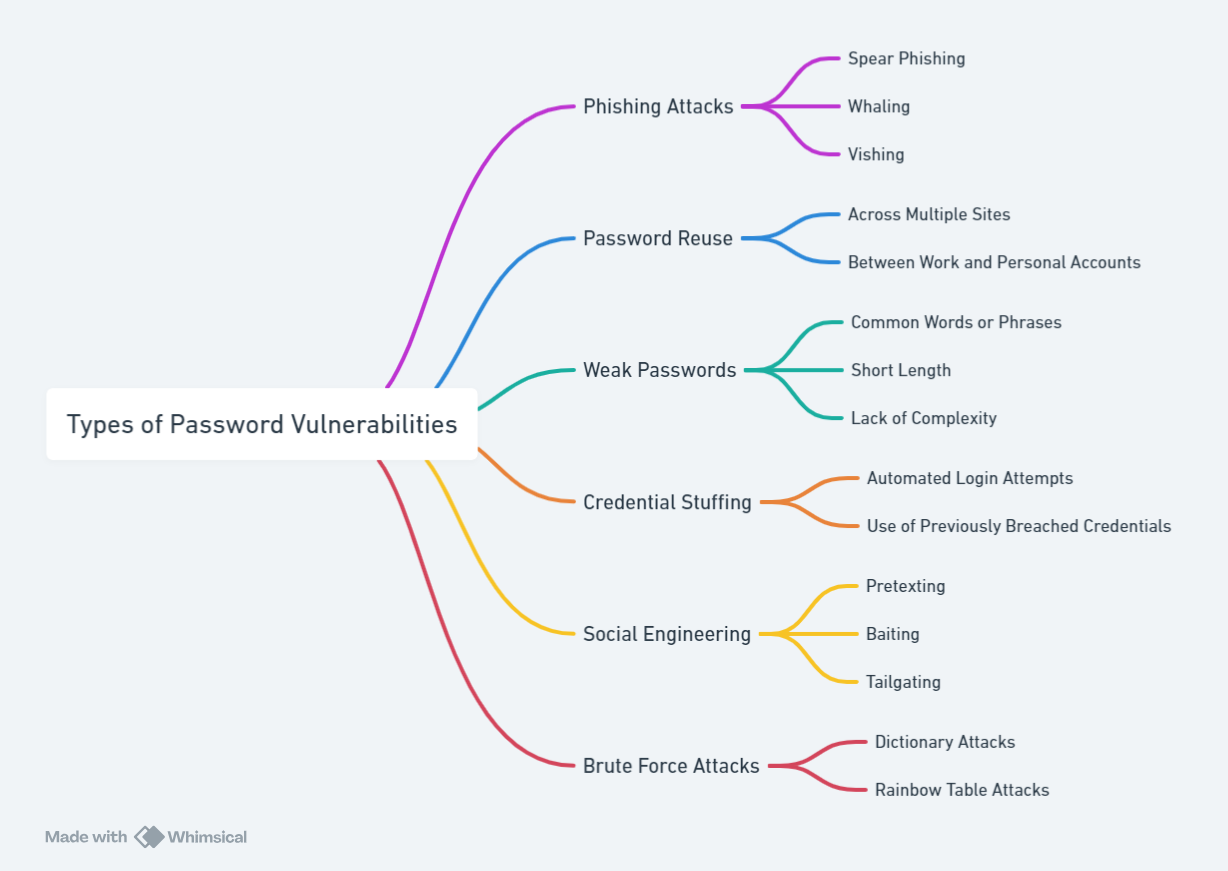
For decades, passwords have been the cornerstone of security strategies, acting as the first line of defense against unauthorized access. However, the digital age has exposed the inherent weaknesses of password-dependent security systems. Phishing attacks, password-related breaches, and the cumbersome nature of password management have underscored the urgent need for a more robust solution. Enter passwordless conditional access, a paradigm shift that eliminates the need for passwords altogether, instead relying on alternative authentication methods such as biometrics, security keys, or one-time codes sent to a mobile device.


password vulnerabilities portnox


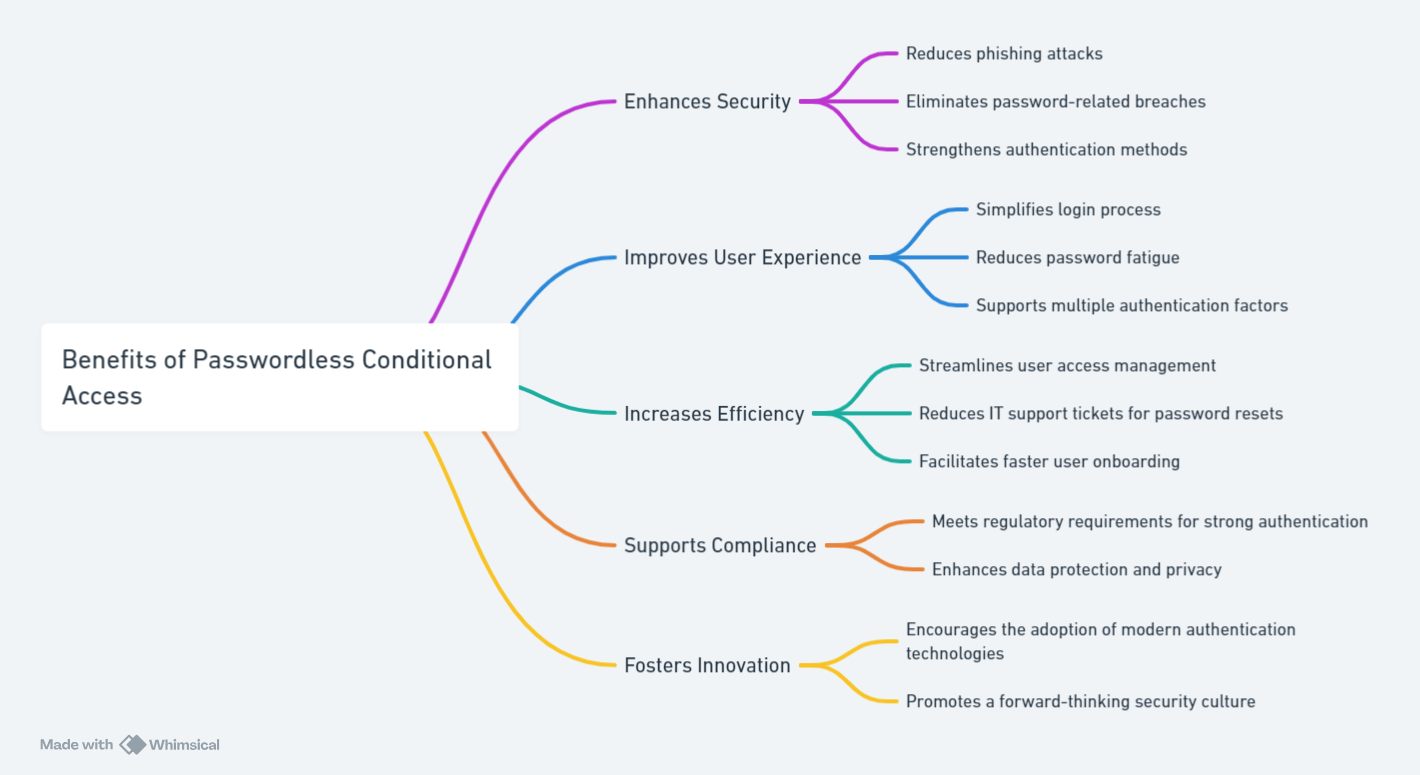
Enhancing Security: Beyond the Password

The primary allure of passwordless conditional access lies in its potential to significantly bolster security measures. By eliminating passwords, organizations can drastically reduce the risk of phishing attacks and password-related breaches. Passwords, often weak and reused across multiple platforms, present a lucrative target for cybercriminals. Certificate-based passwordless systems, on the other hand, leverage stronger, more secure authentication methods that are considerably harder to compromise.

Moreover, passwordless conditional access can be tailored to the context of each access request, taking into account factors such as the user’s location, device security status, and the sensitivity of the requested data. This dynamic approach to authentication ensures that access is granted only under conditions that meet the organization’s security policies, thereby strengthening the overall security posture.

Improving User Experience: The Convenience Factor

Beyond its security benefits, passwordless conditional access significantly enhances the user experience. Traditional password systems often lead to “password fatigue” — the frustration and inconvenience associated with managing a plethora of passwords. Passwordless authentication simplifies the login process, allowing users to access applications and data swiftly and seamlessly. This not only improves productivity but also encourages compliance with security protocols, as users are less likely to seek workarounds to bypass cumbersome login procedures.

Increasing Efficiency: Streamlining Access Management

The administrative burden of managing a traditional password-based system is considerable. IT departments frequently grapple with password reset requests, account lockouts, and the challenges of enforcing strong password policies. Passwordless conditional access alleviates these burdens by streamlining user access management. The reduction in IT support tickets for password issues frees up valuable resources, allowing IT staff to focus on more strategic initiatives. Additionally, the ease of onboarding new users enhances operational efficiency, enabling organizations to scale more effectively.

Supporting Compliance: Meeting Regulatory Requirements

In an era where data protection and privacy are paramount, regulatory compliance has become a critical concern for organizations worldwide. Passwordless conditional access systems can play a pivotal role in meeting these requirements. By employing strong authentication methods, organizations can ensure that their security measures align with regulatory standards, thereby avoiding potential fines and reputational damage. Furthermore, the enhanced data protection offered by passwordless systems supports broader compliance efforts, providing a solid foundation for privacy and security governance.

Fostering Innovation: Paving the Way for Modern Authentication Technologies

The shift towards passwordless conditional access also signifies a broader move towards innovation in the field of cybersecurity. By embracing modern authentication technologies, organizations can position themselves at the forefront of security trends. This not only enhances their security posture but also promotes a culture of innovation, attracting talent and demonstrating a commitment to cutting-edge security practices.


https://www.portnox.com/wp-content/uploads/2024/04/Benefits-of-Passwordless-Conditional-Access.png 1420w, https://www.portnox.com/wp-content/uploads/2024/04/Benefits-of-Passwordless-Conditional-Access-500×273.png 500w, https://www.portnox.com/wp-content/uploads/2024/04/Benefits-of-Passwordless-Conditional-Access-1200×655.png 1200w, https://www.portnox.com/wp-content/uploads/2024/04/Benefits-of-Passwordless-Conditional-Access-768×419.png 768w” data-lazy-sizes=”(max-width: 1420px) 100vw, 1420px” data-lazy-src=”https://www.portnox.com/wp-content/uploads/2024/04/Benefits-of-Passwordless-Conditional-Access.png” />


The Passwordless Path Forward

The transition to passwordless conditional access represents a significant leap forward in the quest for more secure, efficient, and user-friendly authentication systems. By addressing the inherent weaknesses of traditional password-based security, passwordless systems offer a compelling solution that enhances security, streamlines user experience, increases efficiency, supports compliance, and fosters innovation.

As organizations navigate the complexities of the digital landscape, the adoption of passwordless conditional access stands as a testament to the evolving nature of cybersecurity. It underscores a commitment to embracing new technologies and methodologies that not only protect against current threats but also anticipate future challenges. In this context, passwordless conditional access is not merely a security measure; it is a strategic imperative, paving the way for a more secure, efficient, and innovative future.

In conclusion, the journey towards passwordless conditional access is a journey towards a more secure and seamless digital world. It is a bold step forward in the ongoing battle against cyber threats, offering a beacon of hope for organizations seeking to safeguard their data, protect their users, and embrace the future of cybersecurity with confidence.

About Version 2 Digital

Version 2 Digital is one of the most dynamic IT companies in Asia. The company distributes a wide range of IT products across various areas including cyber security, cloud, data protection, end points, infrastructures, system monitoring, storage, networking, business productivity and communication products.

Through an extensive network of channels, point of sales, resellers, and partnership companies, Version 2 offers quality products and services which are highly acclaimed in the market. Its customers cover a wide spectrum which include Global 1000 enterprises, regional listed companies, different vertical industries, public utilities, Government, a vast number of successful SMEs, and consumers in various Asian cities.

About Portnox
Portnox provides simple-to-deploy, operate and maintain network access control, security and visibility solutions. Portnox software can be deployed on-premises, as a cloud-delivered service, or in hybrid mode. It is agentless and vendor-agnostic, allowing organizations to maximize their existing network and cybersecurity investments. Hundreds of enterprises around the world rely on Portnox for network visibility, cybersecurity policy enforcement and regulatory compliance. The company has been recognized for its innovations by Info Security Products Guide, Cyber Security Excellence Awards, IoT Innovator Awards, Computing Security Awards, Best of Interop ITX and Cyber Defense Magazine. Portnox has offices in the U.S., Europe and Asia. For information visit http://www.portnox.com, and follow us on Twitter and LinkedIn.。

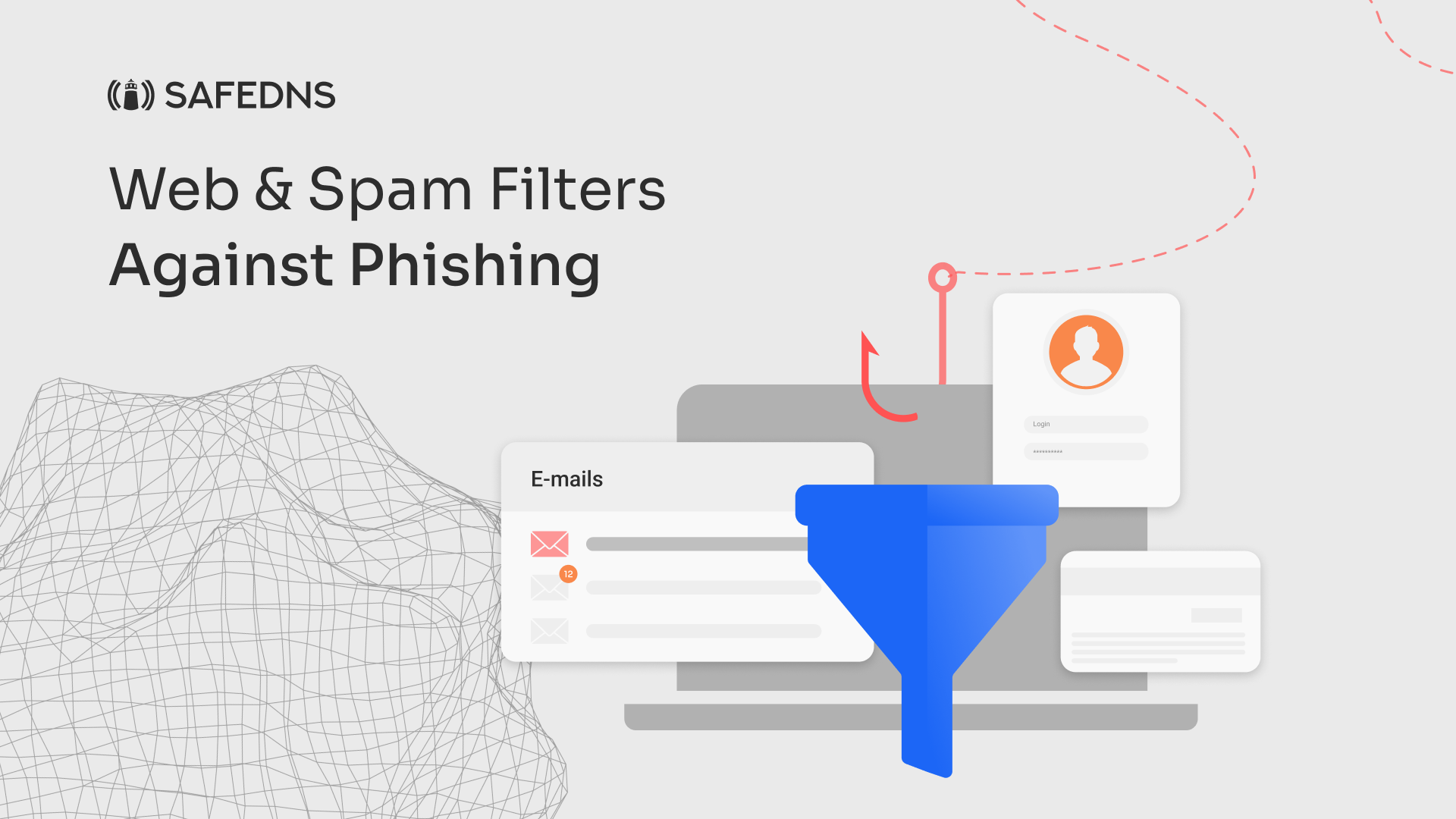
Web & Spam Filters Against Phishing

Recent surge in phishing attacks as reported by Vade in Q3 2023—with a staggering 173% increase—is a wake-up call for businesses and individuals alike. But what does this mean for the average Joe or the small business owner? Are we all just a click away from disaster?

The Cybersecurity Puzzle

It is a sad fact that cybersecurity is no longer a buzzword but a stark reality, especially for the 73% of small businesses globally that recognize it as their most significant risk. According to a recent McAfee and Dell Technologies study, nearly half of these businesses have already been scorched by the fire of cyberattacks, leading to substantial financial losses, eroded customer trust, and hampered operating efficiency. What is more alarming?

A significant amount of these attacks—
43% to be precise—were the result of an innocent click on a phishing link or opening a malicious attachment.

The Email Gateway: Friend or Foe?

Email has become the battleground for cybersecurity, with phishing being the weapon of choice for many cybercriminals. But here is the million-dollar question: are spam filters enough to protect us from these threats? Let’s break it down.

There are three main types of spam filtering solutions or tools.

  • Built-in Email Filters: Offered by giants like Google, these are the first line of defense against spam and phishing attempts.
  • Gateway/Cloud-Based Filters: These work by filtering both inbound and outbound messages that look suspicious, adding an extra layer of protection to email service providers’ built-in filters.
  • Desktop Spam Filters: Personalized and configured by the user, living right on your desktop.

While these filters do a commendable job of blocking phishing and spam emails, some sneaky phish still manage to slip through the net.

Why do some of the phishing emails bypass filters?

Phishing emails, despite the advancements in email security, spam detection and filter technology, often manage to slip through the cracks due to various ingenious tactics employed by cybercriminals. While email filters utilize several methods to detect suspicious emails, hackers continually evolve their techniques to bypass these defenses.

Here are some common methods used by email filters to detect phishing emails:

  • Keyword Analysis: Filters scan emails for specific keywords commonly associated with phishing, such as “you won a prize,” to flag them as potential threats.
  • Image-to-Text Ratio: Emails containing a high percentage of images and minimal text are flagged, as this tactic is often used to evade text-based filters.
  • White Text Detection: Filters look for hidden text, such as white text on a white background, commonly used to hide malicious content from plain sight.
  • IP Trust Level: The trustworthiness of the sender’s IP address is evaluated, with emails originating from suspicious or low-trust IPs being flagged for further scrutiny.
  • From Field Analysis: Emails with randomized or nonsensical sender addresses, like “asdsdf@mail.com,” are often considered suspicious and subjected to closer inspection.

However, despite these measures, phishing emails can still bypass filters due to their primary tactic: enticing recipients to click on malicious links within unwanted emails. Unlike other content within the email, the link itself may not always be thoroughly scanned by filters. This loophole is precisely what phishing attackers exploit, knowing that the real danger lies in convincing recipients to interact with the malicious content beyond what the filters can detect.

Consider this scenario: You’re working in the accounting department and receive an email seemingly from a familiar colleague, containing a link to an invoice. Since you regularly receive such emails from this colleague, there’s no cause for concern. Moreover, the email spam filter may not detect anything inherently suspicious about it. However, unbeknownst to you, earlier that day, your colleague’s email account was compromised by a hacker who sent out the phishing email in their name. In this scenario, the email manages to bypass both your vigilance and the email filter, illustrating the cunning tactics employed by cybercriminals.

In essence, while email filters serve as a crucial line of defense against phishing attacks, their effectiveness is not absolute. Hackers constantly adapt and refine their methods to circumvent these filters, making it imperative for individuals to remain vigilant and cautious when interacting with emails, and spam messages even those that seem benign at first glance.

So, what is the solution? Enter Web Filtering

This is where web filtering steps into the spotlight, offering a robust shield against the phishing attempts that dodge email filters. Consider SafeDNS, a solution with over 6 million users around the world, which blocks a whopping 20% more phishing sites than its competitors. But why stop there? The benefits of web filtering extend well beyond just email protection:

  • Blocks Newly Generated Phishing Links: SafeDNS does not just block emails and known threats; it quarantines new domains until they are verified, protecting you from the latest scams.
  • Provides Secure Communication: It is not just about emails. You can catch a phish through messaging apps, corporate chat platforms, and similar communication tools.
  • Enables Safe Surfing: A web filter prevents you from accidentally wandering into malicious territories while browsing the internet.
  • Saves Internet Traffic: By filtering out unwanted content, web filtering helps conserve your internet bandwidth, making your online experience smoother and more efficient.
  • Enhances Productivity: The installed web filter does not simply restrict access to certain types of resources. It helps employees remain productive, not letting them get distracted by social media or streaming platforms.

The Real-World Impact

Imagine this: you are running a small business, and cybersecurity is not exactly your forte. You have got spam filters up and running, but then comes the curveball—a phishing attack that slips through the cracks of spam protection, leading to compromised customer data, lost passwords, or worse. It is not just a hit on your finances; it is a blow to your reputation. Can you afford to take that risk?

Strengthening the Fortress

So, is it enough to rely solely on spam filters in this age of escalating cyber threats? The answer is a resounding no. With almost half of all ransomware attacks starting with phishing, and the most common catch being through emails, strengthening your defenses with web filtering is not just a good idea—it is essential.

Why Settle for Less?

When we talk about cybersecurity, why settle for a single layer of protection? With the advancements in web filtering technologies, such as those offered by SafeDNS, you are not just protecting your network; you are ensuring peace of mind for yourself, your employees, your partners, and your customers.

In the digital age, the question is not whether you can afford to implement web filtering; it is whether you can afford not to. With cyber threats evolving by the day, can you afford to leave your digital doors unlocked, or will you choose to strengthen your defenses and safeguard your online presence?

To sum up, the rise in phishing attacks is a clarion call for enhanced cybersecurity measures. While email spam filters serve as a necessary barrier against threats, they are not infallible. Web filtering, particularly solutions like SafeDNS that offer advanced protection against new and emerging threats, represents a critical component of a comprehensive cybersecurity strategy. It is not just about blocking malicious emails; it is about creating a safer, more secure digital environment for all users. In the fight against phishing and other cyber threats, web filtering is not just an option; it is a necessity.

About Version 2 Digital

Version 2 Digital is one of the most dynamic IT companies in Asia. The company distributes a wide range of IT products across various areas including cyber security, cloud, data protection, end points, infrastructures, system monitoring, storage, networking, business productivity and communication products.

Through an extensive network of channels, point of sales, resellers, and partnership companies, Version 2 offers quality products and services which are highly acclaimed in the market. Its customers cover a wide spectrum which include Global 1000 enterprises, regional listed companies, different vertical industries, public utilities, Government, a vast number of successful SMEs, and consumers in various Asian cities.

About SafeDNS
SafeDNS breathes to make the internet safer for people all over the world with solutions ranging from AI & ML-powered web filtering, cybersecurity to threat intelligence. Moreover, we strive to create the next generation of safer and more affordable web filtering products. Endlessly working to improve our users’ online protection, SafeDNS has also launched an innovative system powered by continuous machine learning and user behavior analytics to detect botnets and malicious websites.

Evolution of Secure Service Edge and the chronicles of browser isolation

In the ever-expanding landscape of cybersecurity, organizations are continually challenged to adapt and innovate in the face of evolving threats. As digital transformation accelerates and remote work becomes the norm, the traditional security perimeter is becoming increasingly porous, leaving sensitive data and critical systems vulnerable to advanced attacks.

Secure Service Edge (SSE) emerges as a proactive approach to safeguard digital assets while enabling seamless connectivity and productivity. 

SASE Gartner

A recent study posted on Gartner’s Peer Community showed the top three challenges for the future of cybersecurity attack sophistication (56%), greater resources for cyber-attacks (44%), and hybrid work models (43%). In addition, the same group of more than 300 IT/engineering/infosec leaders reported the three emerging cloud security tools they’re most excited about are cloud-native application protection platforms (CNAPP) (39%), SSE (38%), and SaaS management platforms (SMP) (37%).

Another Gartner study calls out the business priorities for Zero Trust, with protecting customer data (63%) topping the list.

SASE Gartner 2

Evolution of Secure Service Edge

The traditional network perimeter, once a stalwart defense against cyber threats, has become obsolete in the face of modern challenges such as cloud computing, mobility, and the proliferation of internet-connected devices.

As organizations embrace digital transformation and adopt cloud-based services, the concept of a secure perimeter shifts from a static boundary to a dynamic, distributed model that extends to wherever users and data reside.

This shift in perspective gives rise to the Secure Access Service Edge (SASE) framework, which converges networking and security capabilities into a unified architecture.

SASE combines the scalability and flexibility of cloud-native architectures with the security and performance required to protect modern digital environments.

SASE, in its simplest form, is a combination of software-defined WAN (SD-WAN) and SSE, as shown in the figure below.

Central to the SASE model is the concept of SSE, which is based on Zero Trust network access (ZTNA), secure web gateways (SWG), cloud access security brokers (CASB), firewall as a service (FWaaS), and remote browser isolation (RBI).

At the heart of the SSE paradigm lies RBI, a ground-breaking technology that promises to revolutionize how organizations defend against web-based threats.

But to appreciate the significance of RBI within the broader context of SSE, it’s essential to understand the journey that led to its emergence and the transformative impact it holds for cybersecurity professionals and businesses alike.

Built ground up on Zero Trust architecture, which means, it assumes that no entity, whether inside or outside the network, should be trusted by default, emphasizing continuous verification and least privilege access.

SASE = SSE + SD-WAN

SASE = SSE + SD-WAN

Remote browser isolation: Foundation of Secure Service Edge

At the core of the SSE architecture is remote browser isolation (RBI), a revolutionary technology that decouples web browsing activity from endpoint devices, effectively isolating potential threats in a secure, remote, and sandboxed environment.

Unlike traditional web security approaches that rely on detecting and blocking malicious content at the endpoint or network perimeter, RBI ensures that web content is executed and rendered in a disposable container outside the corporate network, preventing malware from ever reaching the endpoint.

Key principles of RBI include:

Isolation: RBI creates a secure air-gap barrier between users’ web browsers and potentially malicious content, preventing direct access to corporate resources and sensitive data.

Zero Trust: By treating all web content as untrusted and isolating it in a remote environment, RBI aligns with the Zero Trust model, minimizing the attack surface and mitigating the risk of web-based threats.

Scalability: RBI offers virtually unlimited scalability, allowing organizations to support growing user populations and fluctuating demand without sacrificing performance or security.

Seamless user experience: Despite the robust security measures in place, RBI ensures a seamless and responsive browsing experience for end users, eliminating the need for cumbersome security controls that impede productivity.

The impact of RBI on cybersecurity:

The adoption of RBI as a foundational component of the Secure Service Edge has profound implications for cybersecurity practitioners and organizations seeking to fortify their defenses against web-based threats. It shifts the focus from reactive threat detection to proactive threat prevention.

RBI empowers organizations to:

  • Enhance security posture: RBI reduces the risk of web-based attacks such as phishing, ransomware, and drive-by downloads by isolating potentially malicious content away from endpoints and critical assets.
  • Improve compliance: With RBI’s ability to enforce granular access controls and prevent unauthorized data exfiltration, organizations can achieve and maintain compliance with regulatory requirements such as GDPR, HIPAA etc.
  • Enable secure remote work: As remote work becomes increasingly prevalent, RBI enables organizations to extend robust web security protections to distributed workforces, ensuring consistent protection regardless of users’ locations or devices.
  • Optimize resource utilization: By offloading resource-intensive web browsing activities to remote isolation environments, organizations can optimize endpoint performance and reduce the strain on network infrastructure.

The future is brightly secured

As organizations navigate the complex cybersecurity landscape and embrace the principles of Secure Service Edge, remote browser isolation emerges as a cornerstone technology that empowers them to adapt and thrive in an ever-changing threat landscape. By embracing RBI as a proactive defense against web-based threats, organizations can strengthen their security posture, enhance user productivity, and maintain compliance in an increasingly interconnected and dynamic digital world. RBI serves as a one-stop solution for any organization that has an appetite for, and the attack surface, encompassing access, network, and end-point security.

We at Parallels, are constantly striving to collaborate and enable our partners and customers on their journey to a secure future. As a commitment to this vision, we are excited to introduce our own in-house offering, Parallels Browser Isolation (PBI)!

Parallels Browser Isolation: See it in action

Parallels Browser Isolation provides a secure way to access web applications, including Software as a Service (SaaS) and other cloud-based applications, right from your favorite web browser on your laptop or desktop.

Parallels Browser Isolation stands as a beacon of innovation and resilience, guiding organizations towards a future where security and productivity are not mutually exclusive, but rather complementary pillars of success.

This bolsters the Parallels pedigree as a leader in cross-platform solutions spanning, desktop-server-cloud capabilities, all seamlessly integrated. Our solutions provide a seamless plug-and-play experience, combining different Parallels suite of products into one holistic platform, enabling access to on-premises or cloud-based apps and desktops via any device, any browser, or any operating system.

About Version 2 Digital

Version 2 Digital is one of the most dynamic IT companies in Asia. The company distributes a wide range of IT products across various areas including cyber security, cloud, data protection, end points, infrastructures, system monitoring, storage, networking, business productivity and communication products.

Through an extensive network of channels, point of sales, resellers, and partnership companies, Version 2 offers quality products and services which are highly acclaimed in the market. Its customers cover a wide spectrum which include Global 1000 enterprises, regional listed companies, different vertical industries, public utilities, Government, a vast number of successful SMEs, and consumers in various Asian cities.

About Parallels 
Parallels® is a global leader in cross-platform solutions, enabling businesses and individuals to access and use the applications and files they need on any device or operating system. Parallels helps customers leverage the best technology available, whether it’s Windows, Linux, macOS, iOS, Android or the cloud.

×

Hello!

Click one of our contacts below to chat on WhatsApp

×