




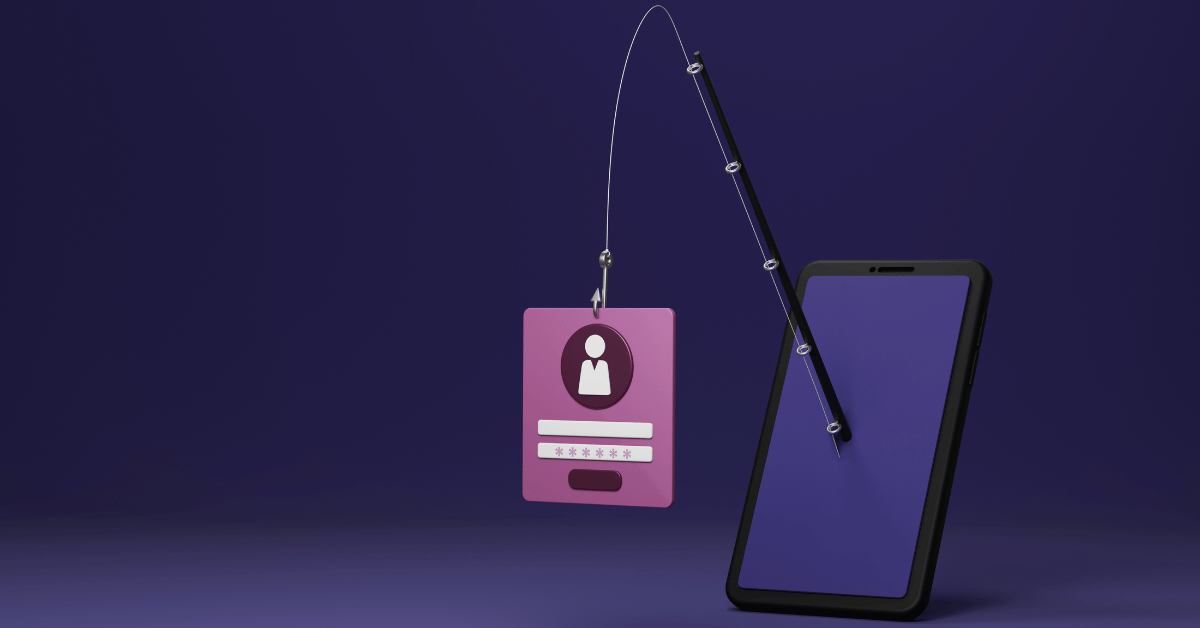
In the shadowy corners of the digital realm, a silent epidemic is lurking, one that poses a grave threat to the security of personal and organizational data. This insidious danger is known as compromised credentials. It’s a digital predator, often invisible until it strikes, leading to catastrophic consequences. This blog post serves as a crucial beacon, illuminating the ominous and often overlooked world of compromised credentials. We aim to dissect the leading causes of this digital menace and unveil the most effective strategies for safeguarding against the theft of credentials. In doing so, we fortify your defenses in a world where digital security is not just a luxury, but a necessity for survival.
Understanding Compromised Credentials
Compromised credentials refer to situations where unauthorized individuals gain access to someone else’s login information. This can lead to unauthorized access to sensitive data, financial loss, and severe reputational damage for individuals and organizations alike.
Leading Causes of Compromised Credentials
Venturing into the heart of the storm, let’s uncover the key factors that contribute to the unsettling reality of compromised credentials:
- Phishing Attacks: Phishing is a common technique used by cybercriminals to trick individuals into revealing their login credentials. These attacks often involve sending emails or messages that appear to be from legitimate sources, urging the recipient to enter their credentials on a fake website.
- Weak Passwords: The use of weak or easily guessable passwords is a significant contributor to credential compromise. Many users still rely on simple passwords that are easy for attackers to guess.
- Third-Party Breaches: When service providers or third-party vendors experience a data breach, your credentials can be compromised if they were stored or managed by the affected entity.
- Keylogging and Spyware: Malware such as keyloggers and spyware can stealthily record keystrokes, capturing login credentials without the user’s knowledge.
- Social Engineering: Beyond technical means, attackers often use social engineering tactics to manipulate individuals into divulging their credentials.
Preventing Stolen Credentials: Top Methods
Armed with knowledge, we now turn to our arsenal of defense – the top methods to fortify our digital fortress against the theft of credentials:
- Use Strong, Unique Passwords: Ensure that all your passwords are strong, unique, and changed regularly. Consider using a mix of letters, numbers, and special characters.
- Enable Multi-Factor Authentication (MFA): MFA adds an additional layer of security by requiring a second form of verification (like a text message or an authentication app) in addition to your password.
- Educate and Train Employees: Regular training on cybersecurity best practices can significantly reduce the risk of credential compromise due to human error.
- Regularly Update Software and Systems: Keeping your software and systems up to date helps protect against vulnerabilities that attackers could exploit to steal credentials.
- Monitor for Suspicious Activity: Implementing tools that monitor for unusual login attempts or strange patterns can help in quickly identifying compromised credentials.
- Use a Password Manager: Password managers can generate and store complex passwords, reducing the risk of using weak or repeated passwords.
- Be Wary of Phishing Attempts: Always verify the authenticity of emails or messages asking for personal information. Be cautious of clicking on links or downloading attachments from unknown sources.
- Secure Physical Devices: Physical security is just as important. Ensure that devices like laptops and smartphones are secure and not easily accessible to unauthorized individuals.
- Implement Access Controls: Limiting the access rights of users based on their role can minimize the risk of credential abuse.
- Regular Security Audits: Conducting regular security audits can help identify potential vulnerabilities before they can be exploited.
The issue of compromised credentials is a persistent threat in the digital landscape. However, by understanding the causes and implementing robust preventive measures, individuals and organizations can significantly reduce their risk. Remember, in the world of cybersecurity, being proactive is not just an option, but a necessity. Stay safe, stay secure, and keep your credentials under lock and key. Your digital safety is worth every effort.
