Skip to content

CyberLink FaceMe® Achieves Face Recognition Certification from Korea Internet & Security Agency (KISA)

Taipei, TAIWAN – September 7, 2023 – CyberLink Corp. (5203.TW), a pioneer in AI and facial recognition technologies, today announced it has achieved KISA certification for the Korean Market. As the leading Korean cybersecurity organization, the Korea Internet & Security Agency (KISA) is devoted to successful digital innovation for the purpose of creating a safe, trusted, and convenient digital society. Obtaining KISA certification further confirms the superior accuracy and performance of CyberLink’s facial recognition engine, FaceMe®.

KISA Certification Process 

KISA certification, conducted by K-NBTC (National Biometric Testing Center), is based on biometric recognition algorithm performance testing. Certification standards are established via a certification committee comprised of experts focused on securing objectivity in standards and test results, with certificates granted to technologies that meet the committee criteria. Modeled on and ISO international standards, the K-NBTC designed the process to be suitable for global standards, with a goal to promote the export of accurate and interchangeable domestic biometric recognition systems.

FaceMe® Facial Recognition Accuracy Passes with Flying Colors

FaceMe®’s biometric algorithms fully passed K-NBTC’s stringent certification tests with excellent accuracy marks. Under the various such as different lighting conditions, facial expressions, face angles, and accessories, FaceMe® achieved 100% accuracy (0% EER, Equal Error Rate).

FaceMe KISA certification

“As a top ranked AI facial recognition engine, delivering biometric identity verification solutions for a multitude of situations and environments,” said Dr. Jau Huang, CEO of CyberLink. “FaceMe®’s recent KISA certification demonstrates CyberLink’s commitment to ensuring international security requirement compliance.”

In addition to being certified by KISA, FaceMe® has been recognized as an industry leader in facial recognition technologies by other organizations, including NIST and iBeta. FaceMe® achieved an impressive True Acceptance Rate (TAR) of 99.83% in the most recent NIST FRVT 1:1 test (March 9, 2023) and passed iBeta Level 2 Compliant liveness detection tests under the standard of ISO 30107-3 Presentation Attack Detection (PAD). This anti-spoofing technology ensures effective prevention of impersonation or substitution attempts using high-definition photos, videos, or 3D masks.

FaceMe®’s facial recognition technology can be applied not only in various security scenarios such as security monitoring, access control, and employee attendance tracking, but it can also help enterprises significantly reduce manpower and labor costs. Additionally, its high accuracy and robust anti-spoofing technology are excellent for financial services (eKYC) and secure two-factor authentication, helping to address identity theft and account fraud issues currently faced by the financial industry.

About Version 2 Digital

Version 2 Digital is one of the most dynamic IT companies in Asia. The company distributes a wide range of IT products across various areas including cyber security, cloud, data protection, end points, infrastructures, system monitoring, storage, networking, business productivity and communication products.

Through an extensive network of channels, point of sales, resellers, and partnership companies, Version 2 offers quality products and services which are highly acclaimed in the market. Its customers cover a wide spectrum which include Global 1000 enterprises, regional listed companies, different vertical industries, public utilities, Government, a vast number of successful SMEs, and consumers in various Asian cities.

About CyberLink
Founded in 1996, CyberLink Corp. (5203.TW) is the world leader in multimedia software and AI facial recognition technology. CyberLink addresses the demands of consumer, commercial and education markets through a wide range of solutions, covering digital content creation, multimedia playback, video conferencing, live casting, mobile applications and AI facial recognition.  CyberLink has shipped several hundred million copies of its multimedia software and apps, including the award-winning PowerDirector, PhotoDirector, and PowerDVD.  With years of research in the fields of artificial intelligence and facial recognition, CyberLink has developed the FaceMe® Facial Recognition Engine. Powered by deep learning algorithms, FaceMe® delivers the reliable, high-precision, and real-time facial recognition that is critical to AIoT applications such as smart retail, smart security, and surveillance, smart city and smart home. For more information about CyberLink, please visit the official website at www.cyberlink.com

Child Safety: Understanding the Vital Role of KCSIE Guidance

The digital world has become the new normal and children are exposed to it from an early age. While the internet offers a wealth of information and opportunities, it also presents risks and challenges, especially for young and vulnerable individuals. To address these safeguarding concerns and ensure the safety and well-being of children and young people, the UK government introduced the Keeping Children Safe in Education (KCSIE) guidance. 

KCSIE stands for Keeping Children Safe in Education, and it is a comprehensive set of guidelines issued by the UK government. This statutory guidance is designed to help schools, colleges, and other educational institutions create a safe and secure environment for children, both offline and online. KCSIE provides a framework for safeguarding children from various risks, including abuse, neglect, and online threats, such as child criminal exploitation, sexual abuse or child on child abuse.

Why is KCSIE Important?

Keeping Children Safe in Education (KCSIE)

is of utmost importance because it prioritizes the safety and well-being of children. Nowadays children face online risks like cyberbullying and child sexual exploitation, KCSIE provides a vital framework for schools and colleges to protect them.

It’s not just a legal requirement; it’s a moral obligation.

Educational institutions have legal duties to create a secure environment for children, both online and offline. By adhering to KCSIE, they show their commitment to nurturing a generation that can safely explore the digital world while shielding them from its dangers. This dedication builds trust with parents and guardians, such as school and college staff, ensuring children can learn and grow with confidence.

Main Points and Regulations of KCSIE

  • Child Protection Policies: Educational institutions must have robust child protection policies in place, outlining how they will safeguard children from harm, including online risks.
  • Designated Safeguarding Leads (DSLs): Each institution must appoint one or more designated safeguarding leads responsible for child protection and online safety.
  • Online Safety: KCSIE emphasizes the importance of educating children about online safety and the responsible use of technology. It also requires institutions to have appropriate filters and monitoring systems in place to prevent access to harmful content and maintain cyber security standards.
  • Reporting Concerns: Staff members are required to report any concerns they have about a child’s mental health or welfare promptly, including those related to community safety incidents. Institutions must have mechanisms in place for recording and escalating such concerns.
  • Safer Recruitment: Educational institutions must adhere to strict guidelines for safer recruitment practices to support schools and ensure that individuals who work with children are suitable and safe.
  • Training and Awareness: KCSIE mandates that all staff receive regular training on child protection, including online safety issues, and health education.
  • Information Sharing: The statutory guidance encourages institutions to share information and collaborate with other agencies, such as social services and law enforcement, when necessary to safeguard children, especially in cases of domestic abuse and sexual violence.

Governing bodies and management committees play a pivotal role in overseeing and implementing these regulations.

Important Updates to KCSIE Guidance Effective from September 1st, 2023

Recently, the UK government released an updated version of the statutory safeguarding and child protection guidance for schools and colleges, which includes important changes related to online safety. Effective from September 1st, 2023, these updates address evolving digital challenges in educational settings.

Enhanced DSL Responsibilities: Designated Safeguarding Leads (DSLs) now hold explicit responsibility for safeguarding, including online safety and understanding filtering and monitoring systems. Additional education guidance and support is mandated to aid DSLs in their critical role.

Comprehensive Staff Training: All staff members are now required to undergo safeguarding and child protection training, with a strong focus on online safety and designated safeguarding lead responsibilities. This ensures that staff are well-informed about filtering and monitoring responsibilities.

Integrated Online Safety: Schools must align their online safety approach with their child protection policy. This includes implementing filtering and monitoring systems and setting clear policies for mobile and smart technology use to prevent students from accessing harmful content on school premises.

In essence, these updates proactively address evolving child protection needs, emphasizing DSL responsibilities, child protection guidance, staff training, and the integration of online safety measures into educational institutions. This ensures a safer environment for children both online and offline in the face of new challenges.

The Keeping Children Safe in Education (KCSIE) statutory guidance serves as a crucial framework for educational institutions in the UK to protect children from harm, including online threats of violence and sexual harassment. By understanding and implementing the main points, regulations, and requirements of KCSIE, schools and colleges can create a safer and more secure environment for children to learn and grow, both online and offline. Ultimately, the goal is to ensure that children can explore the digital world with confidence and without compromising their safety.

About Version 2 Digital

Version 2 Digital is one of the most dynamic IT companies in Asia. The company distributes a wide range of IT products across various areas including cyber security, cloud, data protection, end points, infrastructures, system monitoring, storage, networking, business productivity and communication products.

Through an extensive network of channels, point of sales, resellers, and partnership companies, Version 2 offers quality products and services which are highly acclaimed in the market. Its customers cover a wide spectrum which include Global 1000 enterprises, regional listed companies, different vertical industries, public utilities, Government, a vast number of successful SMEs, and consumers in various Asian cities.

About SafeDNS
SafeDNS breathes to make the internet safer for people all over the world with solutions ranging from AI & ML-powered web filtering, cybersecurity to threat intelligence. Moreover, we strive to create the next generation of safer and more affordable web filtering products. Endlessly working to improve our users’ online protection, SafeDNS has also launched an innovative system powered by continuous machine learning and user behavior analytics to detect botnets and malicious websites.

RADIUS vs. TACACS+: A Comparative Breakdown

With cyber-attacks on the rise, the security and integrity of network systems are paramount. The heart of this security lies in ensuring that users are who they say they are and can only access what they are allowed to. This is where AAA (Authentication, Authorization, and Accounting) protocols play a pivotal role.

As two of the most prominent AAA protocols, TACACS+ and RADIUS have become synonymous with network security. Each has unique characteristics and applications, shaped by decades of development and real-world deployment. 

Today, we’ll dive into the intricacies of both, shedding light on their distinct features, capabilities, and optimal use cases. By understanding the essence of TACACS+ and RADIUS, organizations can make informed decisions, ensuring their networks remain resilient, compliant, and secure in an ever-evolving digital landscape.

When Does AAA Become Critical?

AAA protocols—Authentication, Authorization, and Accounting—are the backbone of robust network security. Authentication verifies a user’s identity. Authorization determines what that user can do once inside the system. Accounting keeps track of user activity, a crucial component for audits and security reviews. Together, these functions form the foundation of a secure network environment.

As businesses grow, the complexity and potential vulnerabilities of their networks increase. Typically, as soon as a company expands beyond a basic IT setup—adding more users, devices, or sensitive data—it becomes crucial to adopt AAA protocols. This not only fortifies their networks against threats but also streamlines user management and ensures compliance with ever-evolving cybersecurity regulations.

Background

Understanding the origins of a protocol can help you understand why it was made and who it was meant to serve. And although technology evolves over time, the core use cases often don’t evolve much. With that in mind, let’s look at how TACACS+ and RADIUS came to be.

TACACS: The story commences in 1984 with TACACS, developed by BBN Technologies for ARPANET and MILNET, early forerunners to today’s internet. Fast forward to the 1990s, Cisco Systems, recognizing the need for advancement, first rolled out XTACACS, a proprietary variant with enhanced features like centralized user management. By 1993, this evolved into TACACS+, a more secure, feature-packed open standard. Today, TACACS+ stands tall as a preferred choice for AAA in sophisticated enterprise networks.

RADIUS: In 1991, Livingston Enterprises introduced RADIUS as a counterpoint to TACACS. Envisioned as a streamlined, efficient alternative, RADIUS made its mark with a less complex architecture, making it a go-to for networks that prioritized simplicity. Its design centered on a client-server model, where a centralized server manages authentication requests from various network devices. The protocol’s strength lies in its versatility – from VPNs to wireless networks, RADIUS supports a wide array of applications. Its adaptability to diverse network needs and support for a broad spectrum of authentication methods, like tokens and smart cards, made it a popular pick.

RADIUS Explained

The complexities of network access and security necessitate solutions that are both robust and efficient. Among these solutions, RADIUS (Remote Authentication Dial-In User Service) holds a distinguished position, providing a framework that simplifies and centralizes AAA.

While RADIUS was initially designed to authenticate dial-up network connections, its adaptability and effectiveness led to its application across various network types, including Wi-Fi, VPNs, and even wired Ethernet configurations.

How RADIUS Works

The strength of RADIUS lies in its client-server model. Let’s break this down. The Client is a user’s device or a network equipment seeking access. And the Server is the RADIUS server, housing user credentials and access policies.

Here’s how the authentication process unfolds:

  1. Initiation: The user’s device, acting as a RADIUS client, sends a connection request to the Network Access Server (NAS).
  2. Forwarding: The NAS then channels this request to the RADIUS server.
  3. Verification: Here, the pivotal moment of authentication occurs. The RADIUS server evaluates the presented credentials against its database of authorized users.
  4. Response: Upon successful verification, the RADIUS server issues an “Access-Accept” message, empowering the NAS to grant the user access. Conversely, if the credentials are mismatched, access is denied.

Advantages of Centralization

RADIUS offers centralized user management. Network administrators are equipped with a singular control point to manage user credentials and permissions, enhancing operational efficiency. Moreover, this centralized approach ensures that any modifications to user privileges or new additions are immediately reflected across the network.

In addition, RADIUS is not just about granting access; it’s also about accountability. Detailed logs of user activity can be generated, serving as invaluable tools for audits, troubleshooting, or assessing network health and usage patterns.

Pros and Cons of RADIUS

Pros of RADIUS
  • Centralized Authentication: Centralized authentication not only streamlines user access management but also provides a more coherent framework to monitor and log user activities, ensuring consistent oversight and control.
  • Flexible Authorization: RADIUS shines when it comes to crafting bespoke authorization policies. Administrators have the liberty to tailor permissions based on user roles, device types, and even specific situational criteria, allowing for adaptive and precise network access management.
  • Accounting: Whether it’s for billing users based on their network consumption or diagnosing potential network hiccups, RADIUS offers many tools to document and evaluate user activity.
  • Widespread Support: One of RADIUS’s undeniable strengths is its universal acceptance. Many devices, spanning varied operating systems, recognize and support the RADIUS protocol, facilitating its widespread adoption.
  • Open Standard: Unshackled by vendor-specific constraints, RADIUS is an open standard. This ensures enhanced device interoperability and reinforces security since the protocol benefits from collective expert scrutiny and development.
Cons of RADIUS

Some additional factors to consider with RADIUS include:

  • Password Security: RADIUS uses cleartext passwords by default – so it is essential to use a strong encryption method for RADIUS passwords or opt for passwordless authentication methods.
  • Single point of failure: Because RADIUS authentication relies on a central server, if that server goes down or experiences other issues, it could potentially prevent users from accessing the network. Portnox allows customers to add an additional layer of redundancy through a local RADIUS server either on-prem on in their private cloud.

Overall, RADIUS is a versatile and robust protocol that can be used to manage user access to various networks. However, it is essential to be aware of its limitations before deploying it in a production environment.

TACACS+ Explained

What is TACACS+

TACACS+, short for Terminal Access Controller Access Control System Plus, is a network security protocol designed to offer centralized authentication, authorization, and accounting services for remote access servers. Compared to RADIUS, TACACS+ offers enhanced security and flexibility, making it a preferred choice for many organizations.

How TACACS+ Works

TACACS+ uses a client-server model. The client is the remote access server requesting access to the network. The server is the TACACS+ server that is responsible for authenticating the user and authorizing their access to the network.

The flow of operations for TACACS+ works like this:

  1. The remote access server sends a request to the TACACS+ server to authenticate a user.
  2. The TACACS+ server queries its database to verify the user’s credentials.
  3. If the user’s credentials are valid, the TACACS+ server sends an authorization message to the remote access server.
  4. The remote access server uses the authorization message to determine what resources the user is allowed to access.
  5. The remote access server grants or denies the user access to the network based on the authorization message.

TACACS+ is often favored in networks that prioritize security and adaptability. Its common use cases include:

  • Remote Access: Authenticating and authorizing users accessing the network from remote locations, like through a VPN.
  • Network Devices: Ensuring only authorized users can access network devices like routers and switches.
  • Servers: Validating and granting permissions to users accessing various servers, including web and database servers.

Pros & Cons of TACACS+

Pros of TACACS+
  • Increased security: TACACS+ encrypts all traffic between the client and server, which helps to protect user credentials and network traffic from unauthorized access.
  • Greater flexibility: TACACS+ allows for more granular authorization control than RADIUS. This means that administrators can fine-tune what resources users are allowed to access based on their role or group membership.
  • Scalability: TACACS+ is designed to scale to large networks with a large number of users.
  • Per-command authorization: TACACS+ allows administrators to control which commands users are allowed to run on network devices. This helps to prevent unauthorized access to sensitive commands.
  • Audit trail: TACACS+ keeps a detailed audit trail of all authentication, authorization, and accounting events. This helps to track user activity and troubleshoot security incidents. 
Cons of TACACS+

Here are some additional things to consider when evaluating TACACS+:

  • Your Network Size & Complexity: TACACS+ is a good choice for large and complex networks where security is a top priority. However, it may not be necessary for small or simple networks.
  • Allocated Budget: TACACS+ servers are typically more expensive than RADIUS servers. However, the cost of TACACS+ can be offset by the increased security and flexibility it offers.
  • Vendor Support: Not all network devices and servers support TACACS+.

Overall, TACACS+ is a powerful and secure AAA protocol, but like any technology it does have some limitations. It is essential to weigh the benefits and limitations of TACACS+ before deploying it in your network.

How RADIUS and TACACS+ Support Zero Trust

Today, more and more organizations are turning to Zero Trust security models. This rise in popularity stems from the escalating cyber threats and the shifting work landscape, notably remote work.

Both RADIUS and TACACS+ enhance Zero Trust security. This framework, rooted in “never trust, always verify,” demands rigorous user validation. RADIUS excels in authentication and accounting, while TACACS+ distinctly manages authentication, authorization, and accounting.

With their centralized controls, they authenticate users and set precise permissions, ensuring users access only relevant resources. By consistently verifying identities and restricting access, RADIUS and TACACS+ underpin Zero Trust, mitigating unauthorized breaches.

RADIUS vs. TACACS+: A Snapshot of Differences

Protocol and ports

RADIUS operates on the User Datagram Protocol (UDP). As a connectionless protocol, UDP typically offers faster transmission because it doesn’t establish a formal connection between devices. However, this also means UDP lacks the reliability that comes with guaranteed packet delivery. In contrast, TACACS+ relies on the Transmission Control Protocol (TCP). Being a connection-oriented protocol, TCP ensures that packets are delivered, granting TACACS+ greater reliability at the cost of speed.

Security

A noticeable difference in security exists between the two. RADIUS only encrypts the password within the access-request packet during transmission from the client to the server, leaving the rest of the packet, which could contain sensitive information like usernames and accounting details, vulnerable to interception. TACACS+, on the other hand, encrypts the entire packet content, offering a more comprehensive security layer than RADIUS.

Flexibility

The structure of RADIUS amalgamates authentication and authorization, making it a unified process. While efficient, this setup may not offer the same level of adaptability as TACACS+, which separates authentication, authorization, and accounting into three separate processes. This separation in TACACS+ ensures more detailed and granular control over user permissions and activities.

Which One Is Right for Your Business?

The best choice for your business will depend on your specific needs. If you need a simple, reliable protocol for network access authentication, then RADIUS is a good choice. If you need a more flexible and secure protocol for device administration, then TACACS+ is a better choice.

Ultimately, which one is right for you is going to depend on your specific needs. Let’s break down some primary needs that might be dealbreakers in your choice.

  • Auditing and troubleshooting: TACACS+ can be used to more comprehensively and seamlessly track user activity for auditing and troubleshooting. This can be helpful for identifying security vulnerabilities and resolving performance issues.
  • Compliance: TACACS+ can be used to enforce compliance with security regulations. This can be helpful for meeting the requirements of industry standards, such as PCI DSS and HIPAA.
  • High-security environments: TACACS+ is more secure than RADIUS, which makes it a better choice for high-security environments. This is because TACACS+ encrypts all traffic, including passwords.
  • Broader vendor support: RADIUS is more widely supported by different vendors than TACACS+. This means that you are more likely to be able to use RADIUS with your existing network infrastructure.

Why High-Security Environments or Highly Regulated Industries Prefer TACACS+

In industries like finance, healthcare, defense, and energy, where security breaches can have profound consequences and where regulations are stringent, choosing the right authentication protocol is critical. These sectors demand not just robust security but also granular access control and detailed logging.

While both RADIUS and TACACS+ have their merits, TACACS+ often comes out on top. Here’s why:

  1. Separation of Duties: Unlike RADIUS, which combines authentication and authorization, TACACS+ keeps these as distinct processes. This allows for more granular control over user actions after they’re authenticated.
  2. Encryption: TACACS+ encrypts the entire body of the packet, whereas RADIUS only encrypts the password. This ensures that sensitive information like usernames and command authorizations remain confidential during transmission.
  3. Command-Level Authorization: In high-security environments, not just user access but the specific commands users execute can be critical. TACACS+ supports command-by-command authorization, giving a tighter grip on user activities.
  4. Detailed Logging: TACACS+ offers more extensive logging capabilities than RADIUS. This level of granularity is vital for compliance where organizations must audit user actions meticulously.

Why Some Businesses Prefer RADIUS Over TACACS+

RADIUS is often the go-to for businesses prioritizing simplicity, wide compatibility, and cost-effectiveness. Internet Service Providers (ISPs), for example, widely adopt RADIUS for managing dial-up and VPN access for their vast user bases.

Small to medium-sized enterprises (SMEs) with less complex network infrastructure and without the need for granular command-by-command control might also gravitate towards RADIUS, given its broad support across devices and straightforward implementation.

Universities and other educational institutions, which often require a scalable solution for Wi-Fi authentication across large campuses, also frequently opt for RADIUS because of its seamless integration with many wireless infrastructure solutions.

The Vital Conversation: Engaging Network Security Solution Providers

In the digital age, businesses grapple with many network security challenges regardless of size or industry. With myriad protocols, tools, and techniques available, it’s no wonder that choosing the right solution can be overwhelming. This is where expert consultation with network security solution providers becomes invaluable.

Engaging with these specialists offers businesses a tailored approach. Rather than employing a one-size-fits-all method, companies can benefit from solutions that fit their unique operational needs, industry regulations, and risk profile. Remember, what works for a tech startup might not be suitable for a large hospital or a financial institution.

When discussing needs, businesses should be prepared with a set of questions. Some essentials include:

  1. What are the specific threats pertinent to my industry?
  2. How can we ensure compliance with industry-specific regulations?
  3. What’s the balance between user convenience and security in each protocol?
  4. How scalable are the solutions as our business grows?
  5. What kind of support and incident response can we expect?

Furthermore, discussions should delve deep into topics like encryption, access control granularity, and logging capabilities. It’s also pivotal to consider future needs, ensuring the chosen solution remains viable as technologies and threats evolve.

What’s The Verdict?

The RADIUS vs. TACACS+ debate exemplifies the importance of context and specificity. Both protocols have carved their niches, with each bringing distinct advantages to the table. With its broad device compatibility and straightforward implementation, RADIUS remains a favorite among ISPs, SMEs, and educational institutions. Its ability to offer a more general solution makes it attractive for environments that prioritize scalability and seamless integration.

On the other hand, TACACS+, with its granular controls, full-packet encryption, and detailed logging, is a beacon for high-stakes industries like finance and defense, where the slightest breach can have catastrophic repercussions.

For businesses at this crossroads, the key is not to look for a universally superior option but to evaluate based on individual needs, anticipated growth, and industry requirements. It’s imperative to collaborate with network security experts, seek guidance, and weigh the pros and cons specific to one’s ecosystem. Ultimately, both RADIUS and TACACS+ have proven their mettle in distinct scenarios. By aligning with an organization’s unique needs and challenges, the right choice emerges naturally, ensuring a fortified and future-ready network.

About Version 2 Digital

Version 2 Digital is one of the most dynamic IT companies in Asia. The company distributes a wide range of IT products across various areas including cyber security, cloud, data protection, end points, infrastructures, system monitoring, storage, networking, business productivity and communication products.

Through an extensive network of channels, point of sales, resellers, and partnership companies, Version 2 offers quality products and services which are highly acclaimed in the market. Its customers cover a wide spectrum which include Global 1000 enterprises, regional listed companies, different vertical industries, public utilities, Government, a vast number of successful SMEs, and consumers in various Asian cities.

About Portnox
Portnox provides simple-to-deploy, operate and maintain network access control, security and visibility solutions. Portnox software can be deployed on-premises, as a cloud-delivered service, or in hybrid mode. It is agentless and vendor-agnostic, allowing organizations to maximize their existing network and cybersecurity investments. Hundreds of enterprises around the world rely on Portnox for network visibility, cybersecurity policy enforcement and regulatory compliance. The company has been recognized for its innovations by Info Security Products Guide, Cyber Security Excellence Awards, IoT Innovator Awards, Computing Security Awards, Best of Interop ITX and Cyber Defense Magazine. Portnox has offices in the U.S., Europe and Asia. For information visit http://www.portnox.com, and follow us on Twitter and LinkedIn.。

Pandora FMS announces brand unification with Pandora ITSM and Pandora RC

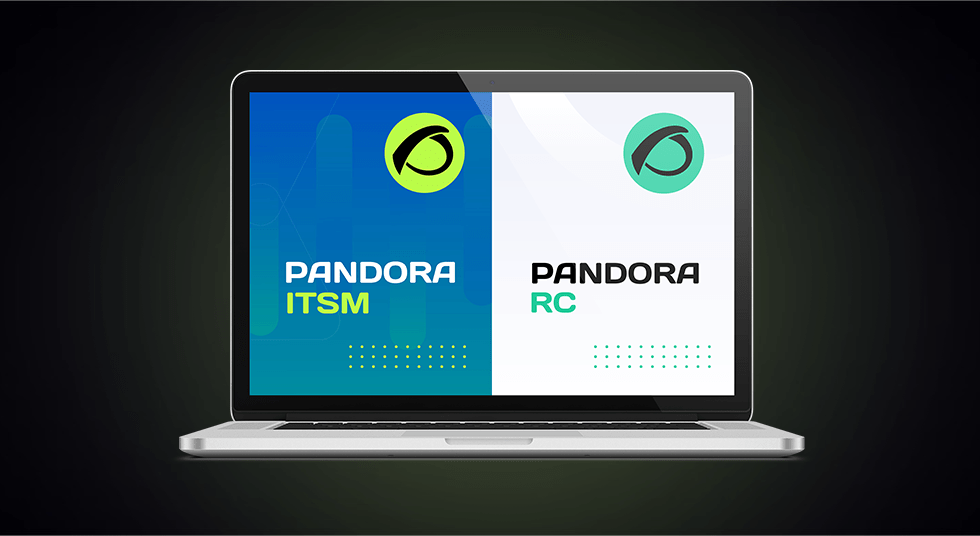
Pandora FMS, a leader in the Information Technology and Monitoring solutions market, is glad to announce that the unification of its brands, Integria IMS and eHorus, under the new names Pandora ITSM and Pandora RC, respectively, has been successfully implemented. 

Pandora ITSM, formerly known as Integria IMS, represents Pandora FMS IT Service Desk and Service Management solution. It provides a comprehensive platform for managing IT incidents, issues, changes and assets, enabling organizations to improve the efficiency of their IT departments and deliver a superior service to end users.

Pandora RC, formerly known as eHorus, is the Remote Control solution from Pandora FMS. It offers a safe and effective platform to access and manage servers and devices remotely from any location in the world. Pandora RC becomes an essential tool for system administrators and support technicians looking to maintain the effective operation of their systems.

This significant advance reflects Pandora FMS’ commitment to further strengthen and consolidate its position in the technology solutions market, providing a more comprehensive and cohesive service and strategy for both its customers and partners.

Such brand unification will be completed across all Pandora FMS platforms, website and social media.

We would also like to underline that eHorus and Integria have always been part of Pandora FMS family, and this change does not alter our dedication to providing exceptional IT monitoring and management solutions.

We are excited to see how Pandora ITSM and Pandora RC brand and products are further integrated into Pandora FMS. Pandora ITSM has always represented a compelling mission and value proposition in the field of IT service management“, – Sancho Lerena CEO of Pandora FMS. 

“For a long time, IT service monitoring, IT service management (ITSM), and remote control solutions have evolved independently, but now, under the Pandora FMS umbrella, we are exceptionally unifying these three areas.”

This brand unification reflects the trend in the technology industry towards the consolidation and simplification of product and service offerings, with the aim of improving the customer experience. Pandora ITSM and Pandora RC celebrate this achievement and are committed to continuing to excel in their respective fields.

We are committed to your satisfaction and look forward to exceeding your expectations in the future.

Kind regards,

the Pandora FMS team.

About Pandora FMS

Pandora FMS is the integral monitoring solution: it is profitable, scalable and covers most of the infrastructure deployment options. 

Find and solve problems quickly, no matter if you come from on-premise, multicloud or a mix of both. 

In hybrid environments where technologies, management processes and data are mixed, a flexible tool capable of reaching everywhere and unifying data display is needed to make its management easier.

Thanks to more than 500 plugins available you may control and manage any application and technology, such as SAP, Oracle, Lotus, Citrix, Jboss, VMware, AWS, SQL Server, Redhat, Websphere and many more.

For those of you who do not yet know it, Pandora FMS is a tool that allows to control and monitor the whole infrastructure of an institution, so that the performance of computer supports can be displayed in real time and prevent failures, system crashes and cyberattacks.

With more than 50K installations in 53 countries, its customers include companies such as Salvensen, Prosegur, Repsol, CLH, Euskaltel, Adif, Santalucía, Cofares, AON, El Pozo, EMT, and other foreign companies such as Rakuten, the bank with the largest history in the USA, Nazareth University in New York, and hospitals in Spain and Canada. Also, public administrations such as the Junta de Castilla-La Mancha, the Comunidad of Madrid, the Diputación de Barcelona and numerous municipalities in France, Portugal and Spain.

About Version 2 Digital

Version 2 Digital is one of the most dynamic IT companies in Asia. The company distributes a wide range of IT products across various areas including cyber security, cloud, data protection, end points, infrastructures, system monitoring, storage, networking, business productivity and communication products.

Through an extensive network of channels, point of sales, resellers, and partnership companies, Version 2 offers quality products and services which are highly acclaimed in the market. Its customers cover a wide spectrum which include Global 1000 enterprises, regional listed companies, different vertical industries, public utilities, Government, a vast number of successful SMEs, and consumers in various Asian cities.

About PandoraFMS
Pandora FMS is a flexible monitoring system, capable of monitoring devices, infrastructures, applications, services and business processes.
Of course, one of the things that Pandora FMS can control is the hard disks of your computers.

GREYCORTEX Mendel as a Part of Your XDR System

In the world of cybersecurity, the term XDR has recently gained significant popularity, offering comprehensive protection, including real-time detection of security threats and a quick response to them. An XDR system can either be delivered by a single vendor or through third-party integrations from multiple vendors.

Let’s explore what NDR solutions like GREYCORTEX Mendel bring to XDR platforms.

EDR Was Only the Beginning… Prepare for XDR

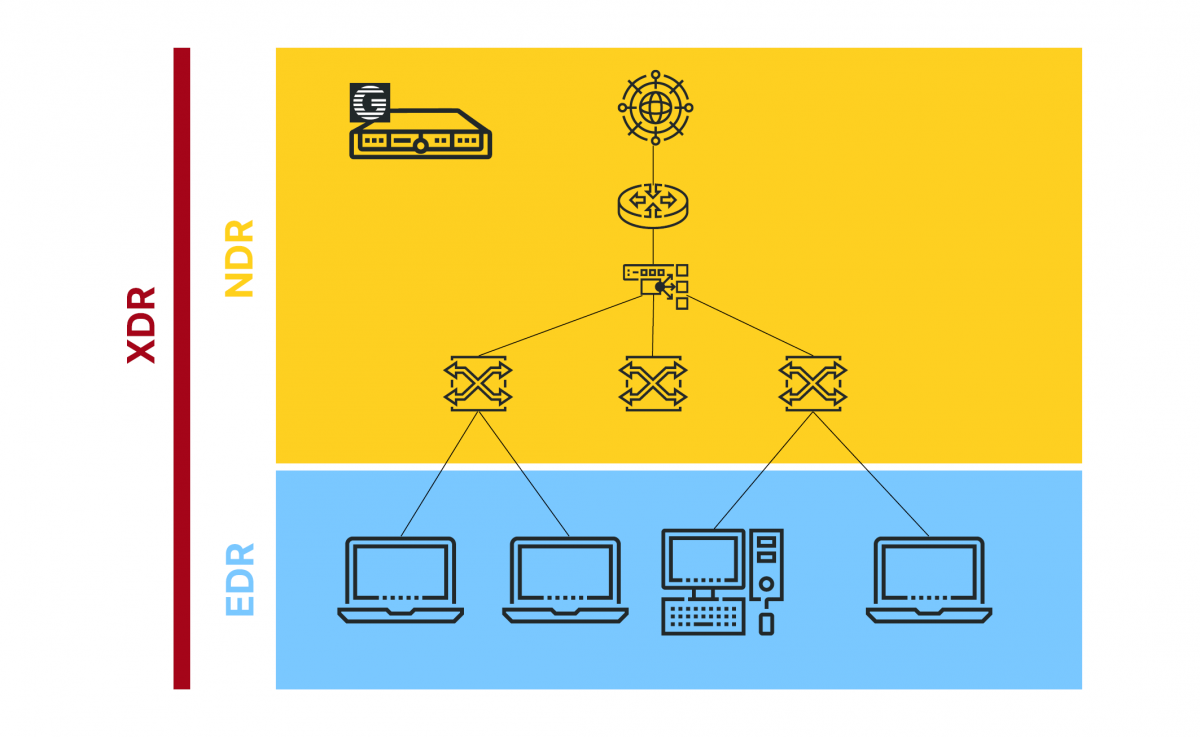
The core of an XDR (extended detection and response) platform is an EDR (endpoint detection and response) solution, which is additionally enriched with data from siloed security tools. This boosts visibility into your infrastructure and streamlines threat hunting.

An XDR system can aggregate data from various sources, including NDR (network detection and response) solutions like GREYCORTEX Mendel, firewalls, company email, cloud services, and mobile devices. By incorporating data from Mendel or a firewall, XDR can effortlessly correlate data and detect malicious traffic flows between the firewall and compromised devices, or identify which application is causing bandwidth overloads in your office network.

Maximize Visibility

The IT environment has never been as complex as it is nowadays, with the interconnection of networks, communication tools, mobile devices, cloud services, and much more. Protecting such an environment demands a sophisticated detection and response system like XDR.

GREYCORTEX Mendel alone provides visibility into both IT and OT networks. However, with its native integration with EDR solutions, firewalls, and other security tools, you can achieve unparalleled visibility of your organization’s network.

Prioritize Critical Issues

An XDR platform prioritizes security events and vulnerable configurations, providing crucial information for further investigation. By understanding the scope and root cause of these issues, you can concentrate your efforts on the most critical problems and reduce the time required to respond.

NDR: A Powerful Component of XDR

NDR solutions diligently monitor your network traffic, identifying suspicious and malicious activities that might otherwise go unnoticed. Moreover, they detect anomalies and unusual traffic patterns originating from outdated systems and IoT devices. These solutions uncover rogue assets, insider threats, zero-day attacks, as well as malicious user and device activities.

Mendel sends data and alerts to your XDR platform as well as your security teams, as it does for SIEM or SOAR systems. Additionally, it exports and processes data from third-party security tools, including EDR and firewalls.

Read also: Why GREYCORTEX Mendel Is the Essential Member of Your Network Security Product Family

About Version 2 Digital

Version 2 Digital is one of the most dynamic IT companies in Asia. The company distributes a wide range of IT products across various areas including cyber security, cloud, data protection, end points, infrastructures, system monitoring, storage, networking, business productivity and communication products.

Through an extensive network of channels, point of sales, resellers, and partnership companies, Version 2 offers quality products and services which are highly acclaimed in the market. Its customers cover a wide spectrum which include Global 1000 enterprises, regional listed companies, different vertical industries, public utilities, Government, a vast number of successful SMEs, and consumers in various Asian cities.

About GREYCORTEX
GREYCORTEX uses advanced artificial intelligence, machine learning, and data mining methods to help organizations make their IT operations secure and reliable.

MENDEL, GREYCORTEX’s network traffic analysis solution, helps corporations, governments, and the critical infrastructure sector protect their futures by detecting cyber threats to sensitive data, networks, trade secrets, and reputations, which other network security products miss.

MENDEL is based on 10 years of extensive academic research and is designed using the same technology which was successful in four US-based NIST Challenges.

×

Hello!

Click one of our contacts below to chat on WhatsApp

×