Skip to content

The best compliance books for 2024

Why is it important to be compliant? 

Compliant companies follow industry regulations and implement regulatory standards for data security, privacy protection, and confidentiality.

Digging into the compliance section at Amazon is not an optional extra. Companies that fail to comply face massive penalties or even criminal prosecutions. Compliance also promotes robust security and improves business processes—giving companies a crucial competitive advantage.

Every employee should be aware of compliance. However, compliance books target senior management and security experts. Anyone responsible for handling customer data or defending against cyberattacks should expand their compliance library.

Top compliance books for beginners and professionals

Compliance is a complex and constantly evolving field. It’s also a minefield for poorly informed businesses. Fortunately, a busy community of expert writers interprets regulations and simplifies the compliance challenge.

We don’t have space to list every manual or think-piece here, but the following compliance books are well worth consulting:

  • Governance, Risk Management, and Compliance: It Can’t Happen to Us—Avoiding Corporate Disaster While Driving Success

  • Intentional Integrity: How Smart Companies Can Lead an Ethical Revolution

  • How to Be a Wildly Effective Compliance Officer

  • The Business Guide to Effective Compliance & Ethics

  • Fully Compliant

  • A Concise Guide to HIPAA Compliance

  • The Risk-Based Approach to Data Protection

  • Big Breaches: Cybersecurity Lessons for Everyone

  • How To Pay A Bribe: Thinking Like a Criminal to Thwart Bribery Schemes

Governance, Risk Management, and Compliance: It Can’t Happen to Us—Avoiding Corporate Disaster While Driving Success

Author: Richard M. Sternberg

Steinberg founded Pricewaterhouse Cooper’s Strategic Risk Services division and has become one of America’s leading risk consultants. This text primarily aims at senior executives and managers. It provides a general introduction to risk management from a boardroom perspective.

Steinberg’s book is a how-to guide for designing compliant processes and leadership structures. There’s no better way to learn about integrating gold-standard risk management practices into your business organization.

Intentional Integrity: How Smart Companies Can Lead an Ethical Revolution

Authors: Robert Chesnut and Joan O’C. Hamilton

Wouldn’t it be great if every business had an incentive to meet industry regulations and act like a model citizen? Experience suggests that many companies fail to live up to these ideals. But Chesnut argues that’s a mistake. The future belongs to businesses that uphold stellar compliance records and drive an “ethical revolution.”

Chesnut is an expert on Silicon Valley, and he knows about dubious morals. However, things can change for the better. This book is a clear-eyed guide to a world where companies with poor data protection or security records are shamed and punished.

Readers will find inspiration in Chesnut’s advice about building an enterprise-wide ethical culture. And they will also come away with plenty of nuggets about improving corporate governance and how to join the ethical elite.

How to Be a Wildly Effective Compliance Officer

3 Compliance books-How to be a wildly effective compliance officer

Author: Kristy Grant-Hart

Grant-Hart is the CEO of Spark Compliance and a regular winner of Women in Compliance awards. This short primer targets compliance officers. Distilling all of her experience, Grant-Hart provides invaluable advice about persuading colleagues and shaping corporate culture.

This isn’t one of those dust-dry compliance books that overwhelm readers with statistics. Grant-Hart specializes in motivation. Readers will close the book feeling energized, confident, and with a renewed sense of their potential to change business processes.

The Business Guide to Effective Compliance & Ethics

Authors: Tony Osborn and Andy Hayward

Hayward and Osborn tackle the critical question, “Why is corporate compliance failing to prevent scandals and data breaches?” Their answer is radically simple. Tick-box checklists and compliance strategies based on documentation are not enough. Businesses need to be proactive and dynamic to build a culture of compliance.

This book lays out a strategy to create a compliance management program that works. The authors contextualize compliance, focusing on benefits like trust and employee satisfaction. As with all good compliance books, the reader emerges empowered and clear about how to move forward.

Fully Compliant

Author: Travis Waugh

Waugh is a leading expert in compliance training. If you struggle to convey compliance information to employees, this book is an essential read.

Fully Compliant argues that it is not enough to tell employees about the consequences of non-compliance. Successful compliance programs immerse learners in real-life scenarios. Immersive learning induces long-term behavior change—a critical component of continuous compliance strategies.

A Concise Guide to HIPAA Compliance

Author: Lucas M. Slattery

Health Insurance Portability and Accountability Act (HIPAA) compliance is stressful and complicated. It helps to have a go-to reference text as you design compliant systems. Slattery’s work is one of the best compliance books for anyone who needs a grounding in HIPAA rules.

Based on official documents from the Department for Health and Human Services (HHS), this book explains tricky issues like defining personally identifiable health information and applying security controls. Slattery keeps things practical, focusing on affordable and proportionate solutions that meet HIPAA standards.

The Risk-Based Approach to Data Protection

Author: Raphael Gellert

Regulations like the General Data Protection Regulation (GDPR) and the California Consumer Privacy Act (CCPA) have made data protection a hot topic for all digital businesses. Adopting a risk-based approach to compliance balances security and costs—but what does “risk-based” mean? If you have any doubts, Gellert’s expert advice will come in handy.

Gellert is a Professor of Private Law at Radboud University in the Netherlands and isn’t afraid of complexity. His book delves into the history of data protection and conceptual approaches to risk. But it shines when discussing modern-day compliance programs.

Expect to come away with a deeper understanding of how to execute GDPR risk assessments. With Gellert’s help, you should be able to lock down personal data without wasting scarce resources.

Big Breaches: Cybersecurity Lessons for Everyone

Authors: Neil Daswani and Moudy Elbayadi

Brushing up on your compliance knowledge is great, but it also helps to consider the consequences of lax security and privacy processes. Daswani and Elbayadi mercilessly explain worst-case scenarios, using real-world case studies to paint a grisly picture.

Big Breaches range widely. The authors explore phishing and ransomware attacks. They look at software exploits, compromised supply chains, and encryption foul-ups. But it’s not just a tale of woe. Readers learn seven critical habits to avoid data breaches and design a rock-solid compliance program.

How To Pay A Bribe: Thinking Like a Criminal to Thwart Bribery Schemes

Author: Alexandra Wrage and Severin Wirz

This short book dates back to 2016, but it sadly remains evergreen. Comprising a series of essays from prominent anti-corruption lawyers, “How to Pay a Bribe” explains how corruption occurs. The authors use real-life examples of ordinary companies falling victim to bribery or other scandals. They also frame corruption as a compliance failure—suggesting ways to eradicate it from business culture.

Both a good read and a useful guide, this book is essential reading for companies that do business abroad or work in sectors like finance, where US bribery regulations are extremely tight.

Reading compliance books is a great way to refresh your knowledge and gain insights into compliance best practices. However, reading is not enough. Compliance professionals should leverage every source of information and assistance to stay one step ahead of the pack.

Podcasts supplement books with expert interviews and analysis and are perfect for gym sessions or commutes, providing up-to-date opinions from the compliance battlefront. YouTube channels also mix entertainment and information. Webinars from experts provide a gold mine of information about GDPR compliance.

Universities and accreditation bodies offer online compliance courses. There are plenty of course options, including specialized HIPAA or anti-corruption certificates. It’s also worth bookmarking relevant information libraries and referring to them for practical guidance.

NordLayer’s learning center is a good starting place. We have created regulatory compliance articles about regulatory requirements, penalties, and frameworks companies can use to make their operations compliant. Learn about compliance basics and fundamental to advanced techniques, and integrate the latest knowledge into your compliance strategy.

Businesses should never face compliance challenges alone. Order relevant books, binge on podcasts, and bookmark resources to guide your way. You’ll soon find that others have confronted similar problems, and solutions should be easily achievable.

 

IoT Malware Attacks Hit a 400% Increase

So, what’s the problem with these handy IoT devices? In short: they can be hacked – easily. Designed with functionality and convenience in mind, security has taken a back seat. This low level of protection leaves users vulnerable to attack, and IoT devices have become prime targets for cyberattacks. In fact, the Zscaler ThreatLabz research team found that IoT malware attacks increased 400% in the first half of 2023 compared to 2022. 

EU Cyber Resilience Act

On a legislative level, the EU is taking this seriously. The upcoming Cyber Resilience Act (CRA) is already striking fear into the hearts of device manufacturers the world over. But for consumers, the future of IoT looks bright, or at least more secure.

If passed, the CRA “would see inadequate security features become a thing of the past with the introduction of mandatory cybersecurity requirements for manufacturers and retailers of such products, with this protection extending throughout the product lifecycle.”

This is a huge development: Device makers will have to ensure the security of their products past sale. That means regular updates, security patches, and consumer safety being higher on the priority list than ever before. It’s a big shift towards a more secure digital landscape. Smart and secure homes are the future.

US Cyber Trust Mark

While the EU is laying down the law, the US Federal Communications Commission (FCC) is planning to roll out its new “labeling program for smart devices” in 2024. The Cyber Trust Mark will be the shiny new seal of approval for cyber-secure products.

Jessica Rosenworcel, FCC Chairwoman says: “The Cyber Trust Mark will help consumers make more informed decisions about what kind of devices they bring into their homes and businesses. So when you need a baby monitor, or a new appliance, you’ll be able to look for a Cyber Trust Mark… device manufacturers are going to be able to showcase privacy and security in the marketplace by displaying this mark”.

Manufacturers will be permitted to place the seal on products only after official assessment. And though this is still a voluntary seal, i.e. manufacturers aren’t legally obliged to earn it, it’s a step in the right direction for IoT cybersecurity. If you’re in the US, keep an eye out for this logo when making future device purchases.

IoT vulnerabilities & security tips

While most IoT malware attacks are aimed at businesses (manufacturing and education are among the most targeted sectors), consumers should stay vigilant as well. There are several avenues through which attackers can infiltrate your home networks using IoT devices. Here are a few ways that you can protect yourself.

  • Default logins – ISPs and modem/router companies tend to distribute network devices with default logins. These credentials are easily accessible online. A typical username is “admin”, passwords might be basic codes like 1234 or 0000. Easy pickings for hackers – and easy for you to change.

  • Auto-update – If this feature is turned off and you miss security updates, your device will stay open to vulnerabilities longer. Turn on auto-update to avoid this. Smart devices with legacy firmware are the bread and butter of IoT hackers.

  • Separate network for IoT – Keep your devices insulated from your main home network. This acts as an effective layer of security if one of your devices is compromised.

  • Principle of least privilege – Turn off certain “smart” features that you don’t use. Why does your toaster have a camera anyway?

With new regulations taking effect this year and our own proactive security measures at home, a safer cyber future is possible for all.

Listen to the Cyberview podcast on Spotify.

About Version 2 Digital

Version 2 Digital is one of the most dynamic IT companies in Asia. The company distributes a wide range of IT products across various areas including cyber security, cloud, data protection, end points, infrastructures, system monitoring, storage, networking, business productivity and communication products.

Through an extensive network of channels, point of sales, resellers, and partnership companies, Version 2 offers quality products and services which are highly acclaimed in the market. Its customers cover a wide spectrum which include Global 1000 enterprises, regional listed companies, different vertical industries, public utilities, Government, a vast number of successful SMEs, and consumers in various Asian cities.

About NordLayer
NordLayer is an adaptive network access security solution for modern businesses – from the world’s most trusted cybersecurity brand, Nord Security.

The web has become a chaotic space where safety and trust have been compromised by cybercrime and data protection issues. Therefore, our team has a global mission to shape a more trusted and peaceful online future for people everywhere.

Scale Computing Announces 2024 Speakers for Second Annual Platform Summit

INDIANAPOLIS – February 6, 2024 – Scale Computing, a market leader in edge computing, virtualization, and hyperconverged solutions, today announced the speaker lineup for its Scale Computing Platform Summit (Platform//2024). The second annual event, held April 16-18, 2024 at Resorts World in Las Vegas, NV, is open to all Scale Computing customers, partners, and technology alliances.

Platform//2024 will feature insightful Scale Computing company updates, networking opportunities, and educational and best practices sessions with industry-leading speaker presentations. The event will consist of both live and virtual sessions, with agenda topics including the power of automation and security, data protection, hybrid cloud, edge computing, and more. This year’s program features a curated speaker lineup of technology leaders from key Scale Computing customers who will offer expert insights on the use of virtualization technology, artificial intelligence, automation, and more. Presenters will discuss their direct experience with Scale Computing, use cases, and benefits of the infrastructure technology. This year’s speakers include:

“We are delighted to welcome our valued customers, partners, and colleagues back to Las Vegas for Platform//2024,” said Jeff Ready, CEO and co-founder, Scale Computing. “Last year’s summit was a resounding success, convening over 1,000 attendees from across the globe. Building upon that momentum, we are excited to bring together twice the attendees and present a program that delves deeper into the transformative power of edge computing, virtualization, and hyperconvergence solutions. This year’s Platform Summit will be an unparalleled experience, featuring a speaker lineup of our esteemed customers and colleagues at the forefront of these critical technologies. We look forward to welcoming everyone to the 2024 event.”

Over 2,300 attendees are expected at this Platform Summit, including Scale Computing customers and its reseller and technology alliance partners. Leaders from Scale Computing will share insights into the company’s Product Roadmap, as well information about Scale Computing Platform (SC//Platform) and its other products and services. The conference will also offer networking opportunities, an awards reception, and Scale Computing Advanced Training to provide customers and partners with a deep dive into the advanced technical and theoretical features of SC//HyperCore. The Keynote address will be delivered on April 17th by Brian Chambers.

Current sponsors of the 2024 Scale Computing Platform Summit include Mako Networks, Simply NUC, OpenText, Dell, Climb Channel Solutions, Eaton, Lenovo, The Channel Company, and Ingram Micro. If you are interested in becoming a sponsor of Platform//2024, please email platform@scalecomputing.com.

To register for this year’s conference, visit the Platform//2024 event website. More information about event speakers can be found on the Platform Summit Speakers page.

About Version 2 Digital

Version 2 Digital is one of the most dynamic IT companies in Asia. The company distributes a wide range of IT products across various areas including cyber security, cloud, data protection, end points, infrastructures, system monitoring, storage, networking, business productivity and communication products.

Through an extensive network of channels, point of sales, resellers, and partnership companies, Version 2 offers quality products and services which are highly acclaimed in the market. Its customers cover a wide spectrum which include Global 1000 enterprises, regional listed companies, different vertical industries, public utilities, Government, a vast number of successful SMEs, and consumers in various Asian cities.

About Scale Computing 
Scale Computing is a leader in edge computing, virtualization, and hyperconverged solutions. Scale Computing HC3 software eliminates the need for traditional virtualization software, disaster recovery software, servers, and shared storage, replacing these with a fully integrated, highly available system for running applications. Using patented HyperCore™ technology, the HC3 self-healing platform automatically identifies, mitigates, and corrects infrastructure problems in real-time, enabling applications to achieve maximum uptime. When ease-of-use, high availability, and TCO matter, Scale Computing HC3 is the ideal infrastructure platform. Read what our customers have to say on Gartner Peer Insights, Spiceworks, TechValidate and TrustRadius.

Finding AnyDesk Installations with runZero

On February 2, 2024, AnyDesk disclosed that they have been the victim of a cyber attack that has compromised production systems.

This compromise led AnyDesk to revoke its current code signing certificate, as well as reset all passwords for various cloud services.

The company indicates in their statement that they do not have any evidence that end-user systems have been compromised. They do, however, recommend users change passwords if they are used for both AnyDesk and other services. The company also recommends that users update to the latest version of AnyDesk with the new code signing certificate.

What is the impact?

According to the company they do not have any evidence that end-user systems have been compromised. However, they state that their production systems have been impacted and have revoked their existing code signing certificate.

Are updates or workarounds available?

As part of its statement, AnyDesk urged users to change their passwords if the same password is used for AnyDesk and other services. Additionally, they recommend that users update to the latest version of AnyDesk, which uses the new code signing certificate.

How do I find AnyDesk installations with runZero?

From the Services Inventory, use the following query to locate AnyDesk clients:

product:AnyDesk

Additional fingerprinting research is ongoing, and additional queries will be published as soon as possible.

About Version 2 Digital

Version 2 Digital is one of the most dynamic IT companies in Asia. The company distributes a wide range of IT products across various areas including cyber security, cloud, data protection, end points, infrastructures, system monitoring, storage, networking, business productivity and communication products.

Through an extensive network of channels, point of sales, resellers, and partnership companies, Version 2 offers quality products and services which are highly acclaimed in the market. Its customers cover a wide spectrum which include Global 1000 enterprises, regional listed companies, different vertical industries, public utilities, Government, a vast number of successful SMEs, and consumers in various Asian cities.

About runZero
runZero, a network discovery and asset inventory solution, was founded in 2018 by HD Moore, the creator of Metasploit. HD envisioned a modern active discovery solution that could find and identify everything on a network–without credentials. As a security researcher and penetration tester, he often employed benign ways to get information leaks and piece them together to build device profiles. Eventually, this work led him to leverage applied research and the discovery techniques developed for security and penetration testing to create runZero.

Virtual vs. physical firewalls: why going virtual wins

Introduction: understanding virtual firewalls 

As businesses adapt to hybrid work models, traditional hardware firewalls are reaching their limits. Designed for on-premises security, they excel within office perimeters but may struggle in remote work culture.

Gartner® highlighted this gap, predicting a significant shift toward Firewall-as-a-Service (FWaaS) by 2025. This transition reflects a growing need for security that goes beyond physical boundaries.

Cloud firewalls, such as NordLayer Cloud Firewall, step in to fill this gap. It extends protection to every endpoint, anywhere, bridging the gap left by traditional firewalls. Moreover, it simplifies security management and adapts to various environments, from the office to the cloud.

Key takeaways

  • Cloud firewalls deploy faster and cheaper than physical ones, needing no physical setup and integrating online quickly.

  • They’re cost-effective, with automatic updates, free patches, and lower operational costs due to no physical maintenance.

  • Cloud firewalls allow easy, fast updates and policy changes via the web, perfect for changing businesses.

  • They scale easily, adjusting resources as needed without hardware delays and offering flexible payment options.

  • Ideal for hybrid work, cloud firewalls provide consistent access and security for both remote and office workers, unlike office-restricted physical firewalls.

Easier, faster and cheaper deployment

In the past, we purchased a physical firewall akin to a router and placed it in the office server room. This box was then connected to the modem.

Setting up a physical firewall meant engaging in physical setup, network configuration, and rigorous testing—a process demanding both time and technical know-how.

A Cloud Firewall offers a modern and straightforward approach to network security. Its setup includes a few steps: choosing a provider, setting up a gateway, and adding rules. This method fits smoothly into your existing network, eliminating the need for extra hardware and saving time and resources. Plus, testing is faster than with traditional methods.

The ease and speed of installing a Cloud Firewall benefit IT teams greatly. For example, setting it up with NordLayer can take just 10 minutes.

Starting from zero with no cybersecurity means both cloud and physical firewalls need initial setup time. Time-wise, the difference isn’t very large.

A physical firewall could be more cost-effective if you have the right staff. But that’s only true if your business doesn’t plan to grow or change work formats.

Easier, faster and cheaper maintenance

Firewall maintenance includes regularly updating and applying patches to ensure optimal security. It also involves monitoring for any potential vulnerabilities and making necessary adjustments.

A Cloud Firewall is more efficient, cost-effective, and reliable even for businesses where everyone works in the office. Its lower maintenance, easy management, and strong security make it great for those seeking easy and effective network protection.

Here are things to consider about a physical firewall

  • Yearly maintenance costs 10–20% of the initial price.

  • Redundancy needs double the investment.

  • Power outages disable it without UPS investment.

  • May need special training or staff.

  • Manual updates need constant attention.

  • Support could mean extra costs.

  • Hardware upgrades are pricey.

  • Might use more bandwidth.

Cloud Firewall benefits

  • Support services are part of the subscription.

  • Removes the need for multiple firewalls.

  • Works without direct power, avoiding outage issues.

  • Updates and maintenance happen automatically.

  • Upgrades are free, keeping security current.

  • Manage and monitor easily from a browser.

  • Updates without interrupting network protection.

  • Little technical knowledge needed, but support is available.

  • Uniform security throughout your network.

  • It uses no office space.

Easier and more flexible rules update

NordLayer’s Cloud Firewall allows easy creation of rules. The control panel is user-friendly for everyone, regardless of IT expertise.

With NordLayer Cloud Firewall, you can edit or disable any rule anytime. You can manage and update destination address and network services centrally in the NordLayer Control Panel. Any changes to IP addresses or network services automatically update all firewalls where they are in use. Rules for each employee turn off automatically when their NordLayer account is terminated. Plus, every action is documented for tracking.

Easier, faster, and cheaper scalability

Cloud firewalls offer easy scalability without physical hardware. They adjust resources on demand, avoiding the extra costs and delays of buying and installing equipment. Their automated setup and simple web interface configuration allow quick changes, making transitions smooth.

These firewalls are cost-effective, too. They cut down on operational costs, as there’s no need for physical upkeep or upgrades. This approach, along with less strain on IT staff, makes cloud firewalls economical for growing businesses’ network security.

With a physical firewall, more planning means slower progress.

Enables and protects hybrid infrastructure & hybrid workforce

A traditional physical firewall is strong and reliable for teams that only work in the office. Its benefits are clear in a fixed setting. But its advantages lessen when your team mixes office with remote or travel work.

While you can access on-premises firewalls from any location through IPSec tunnels or similar technology, this approach may reduce convenience, slow down processes, and complicate matters, especially with multiple sites.

The Cloud Firewall adapts to this evolving work scene. It enables and secures team members working from anywhere, be it at home, a cafe abroad, or an airport.

It removes location limits, giving remote workers the same access and security as office staff. For businesses with global teams and flexible work, the Cloud Firewall leads in providing secure and effortless connectivity.

Conclusion

Cloud Firewall brings a major upgrade in network security. It meets the needs of modern hybrid businesses with its ease of use and cost efficiency. It removes the reliance on physical hardware and delivers strong security from the cloud to every endpoint. This change not only boosts safety but also improves IT operations.

Setting up a Cloud Firewall is easy: for that, you need to be a NordLayer Premium plan user. It’s manageable through the NordLayer Control Panel.

In short, choosing NordLayer’s Cloud Firewall is a strategic step towards a more secure, efficient, and forward-looking network.

For more details about our Cloud Firewall, contact our sales for assistance.

About Version 2 Digital

Version 2 Digital is one of the most dynamic IT companies in Asia. The company distributes a wide range of IT products across various areas including cyber security, cloud, data protection, end points, infrastructures, system monitoring, storage, networking, business productivity and communication products.

Through an extensive network of channels, point of sales, resellers, and partnership companies, Version 2 offers quality products and services which are highly acclaimed in the market. Its customers cover a wide spectrum which include Global 1000 enterprises, regional listed companies, different vertical industries, public utilities, Government, a vast number of successful SMEs, and consumers in various Asian cities.

About NordLayer
NordLayer is an adaptive network access security solution for modern businesses – from the world’s most trusted cybersecurity brand, Nord Security.

The web has become a chaotic space where safety and trust have been compromised by cybercrime and data protection issues. Therefore, our team has a global mission to shape a more trusted and peaceful online future for people everywhere.

NIS2 directive: A key to compliance is business continuity

As the timeline to implementation of the NIS2 directive shortens, businesses find themselves contemplating the necessary steps for implementing robust cyber security and IT compliance. The impending deadline of October 17, 2024, necessitates a strategic approach to meet the regulatory requirements outlined in NIS2. 

This article provides actionable insights into how organizations can proactively prepare for NIS2 compliance, with a particular focus on backup management and disaster recovery as integral components for ensuring business continuity — a key focus of the new directive, specifically article 21.

Let’s jump into the essential steps businesses can take now to fortify their defenses against cyber threats by following a best practice framework.

If you’re looking for a general overview of all things NIS2, such as who does NIS2 apply to, read our blog, “What is the NIS2 Directive?”

What to do now: Get your business ready with best practices

Article 21 of the NIS2 directive sets out clear cybersecurity risk-management measures “to protect network and information systems” that focus on ensuring business continuity through “backup management and disaster recovery.”


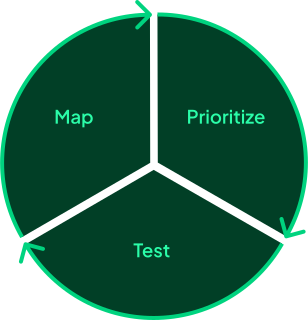
At the minimum, the best practice would be to back up vital data, create a strong disaster recovery plan, and then test these processes to know that they work as expected (meaning you have protected your business-critical data and it can be recovered). Luckily, to help elaborate on this practice, there’s a framework to follow to help guide you through the process: Map, prioritize, test.

Map-prioritize-test framework for NIS2 directive compliance backup and disaster recovery

Map-Prioritize-Test framework to ensure compliance

This framework is helpful for businesses to prepare for compliance with the expected NIS2 requirements by boosting cyber resiliency, most notably by maintaining business-critical functions through protecting key business infrastructure. Here’s more detail about what each leg of the framework entails:

1. Map critical systems

Assess and analyze critical infrastructure across on-premises, native cloud, and public cloud environments. Identify and prioritize crucial data, ensuring business continuity. Don’t overlook SaaS applications like Entra ID; safeguarding identity and credential data is vital.


Neglecting identity and access data can impact business continuity even if other data is fully restored. Microsoft recognizes identity systems as more critical than human life support systems due to how important this data is for businesses: Read what Microsoft has to say about the importance of backing up Entra ID (formerly Azure AD).

2. Prioritize: What is critical to maintain access to?

Understanding the nature of your data is key to strengthening your organization’s data resilience. As you consider the types of data you handle, such as SaaS data from Microsoft 365 (M365) or Entra ID, it becomes evident that not all data holds equal importance. This realization forms the basis for strategic prioritization, a critical step in preparing for NIS2 compliance.


Whether safeguarding CEO emails, logistics data, customer information, intelligence dashboards, or proprietary code, identifying the priority for recovery establishes a strategic foundation. This speeds up recovery time and minimizes downtime, ensuring that your business continuity efforts are precisely aligned with the specific datasets crucial for sustaining your operations.
By determining what needs to be recovered first, you ensure that your business continuity efforts are targeted and aligned with the specific data sets crucial for sustaining your operations. This strategic prioritization not only optimizes your backup plan but also enhances your preparedness for compliance with the NIS2 directive.

3. Test that your backup works

This critical phase of the framework involves validating the effectiveness of your backup and disaster recovery processes. Testing is a key element of continuity, because with regular testing, your business ensures that data recovery is possible in the event of a real crisis — this is best practice data security and compliance in line with the NIS2 framework.


Ensuring the effectiveness of your backup and disaster recovery processes is crucial for maintaining data integrity and business continuity. The following guidelines outline key steps in the testing phase, aimed at validating your organization’s readiness to swiftly recover critical data in diverse scenarios.


From prompt validation of restoration capability to involving relevant stakeholders, this comprehensive testing phase guideline ensures confidence in your disaster recovery plan and ongoing resilience against potential threats:

  • Validate restoration capability promptly:
    Promptly validate that your backup systems can efficiently restore critical data without compromising integrity.
  • Determine acceptable downtime:
    Establish the maximum allowable time for data recovery, aligning with recovery time objectives set during prioritization.
  • Regularly test backups for confidence:
    Frequently test your backups to instill confidence in your disaster recovery plan and promptly address any identified issues.
  • Consider different scenarios:
    Simulate diverse scenarios, testing the recovery of individual files, entire databases, and complete systems to identify weaknesses.
  • Document and analyze results:
    After each testing session, document and analyze the time, accuracy, and challenges encountered to gain insights for improvement.
  • Involve relevant stakeholders:
    Collaborate with IT teams, data custodians, and business continuity managers to ensure comprehensive testing aligns with broader goals.
  • Update and improve:
    Continuously update recovery plans based on testing insights, addressing weaknesses, refining procedures, and adapting to evolving threats.

As organizations diligently adhere to the rigorous testing guidelines outlined above, they pave the way for a robust IT compliance policy essential for NIS2 readiness. The elements of backup management and disaster recovery, as emphasized by Article 21 of NIS2, not only acknowledge its far-reaching impact but also serve as proactive measures against evolving cyber threats.

Keepit as an established expert in EU compliance

Keepit, being a European company based in Denmark, understands the intricacies of EU regulations and their profound impact as we’re also subject to them ourselves. We operate without any sub-processors and maintain our own independent cloud operations within the EU, utilizing data centers in Denmark, Germany, and the UK. With a commitment to excellence in compliance, Keepit holds end-to-end ISO 27001 certification and is audited in accordance with ISAE 3402 type 2.


To guide your company through the complexities of legislative directives such as NIS2, NIS, and GDPR, we invite you to explore a demonstration of how Keepit can assist in ensuring comprehensive compliance.

About Version 2 Digital

Version 2 Digital is one of the most dynamic IT companies in Asia. The company distributes a wide range of IT products across various areas including cyber security, cloud, data protection, end points, infrastructures, system monitoring, storage, networking, business productivity and communication products.

Through an extensive network of channels, point of sales, resellers, and partnership companies, Version 2 offers quality products and services which are highly acclaimed in the market. Its customers cover a wide spectrum which include Global 1000 enterprises, regional listed companies, different vertical industries, public utilities, Government, a vast number of successful SMEs, and consumers in various Asian cities.

About Keepit
At Keepit, we believe in a digital future where all software is delivered as a service. Keepit’s mission is to protect data in the cloud Keepit is a software company specializing in Cloud-to-Cloud data backup and recovery. Deriving from +20 year experience in building best-in-class data protection and hosting services, Keepit is pioneering the way to secure and protect cloud data at scale.