Skip to content

API 威脅、機器人攻擊與隨機流量高峰:AWS WAF + Cloudbric WMS 如何在 2025 年保障您的安全

API 威脅、機器人攻擊與流量高峰:
AWS WAF + Cloudbric WMS 如何在 2025 年確保您的業務安全

在 2025 年,數碼版圖已成為一個高風險的戰場。API 成為新的前線,自動化機器人數量已超越人類用戶,而超大流量的 DDoS 攻擊規模達到了前所未有的程度。對於在 AWS 上營運的企業來說,標準的、開箱即用的安全防護已遠遠不夠。您需要的是專家管理、情報驅動的防禦。

這正是 Cloudbric WMS 發揮作用之處,它能將您的 AWS WAF 從一個簡單的工具,轉變為一個人員齊備、全面的安全營運中心。

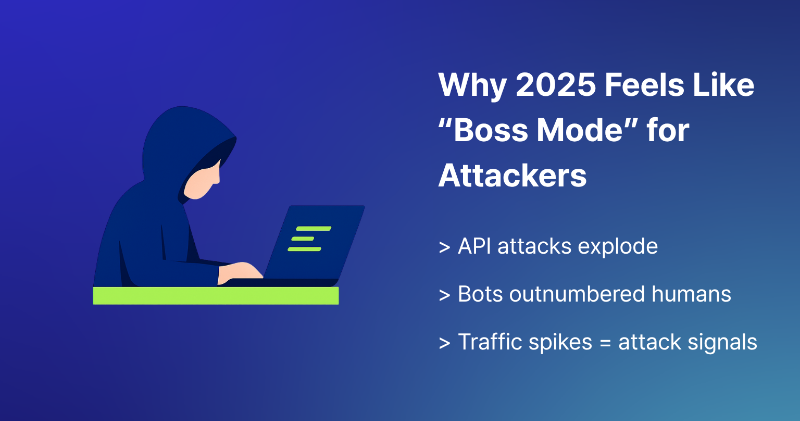
1. 挑戰:攻擊者已進入「BOSS 模式」

2025 年的威脅數據明確顯示:攻擊的複雜性和數量,正讓手動防禦不堪重負。

趨勢數據點
API 攻擊爆炸性增長2024 年 Web 應用程式與 API 攻擊達 3,110 億次,年增 33%。
機器人數量超越人類自動化流量現佔網路 51%;僅惡意機器人就佔 37%。
流量高峰即攻擊信號超大流量 HTTP DDoS 攻擊 (>1 億 pps) 季增 592%。
業務邏輯濫用OWASP 現將「無限制存取敏感業務流程」列為關鍵 API 風險 (API6:2023)。

雖然 AWS WAF 提供了具備低延遲邊緣保護的堅實基礎,但它將最關鍵的任務——持續的規則調整、誤報管理和主動式威脅分析 —— 留給了您。這在「擁有工具」和「擁有真正的安全解決方案」之間,造成了一個危險的差距。

2. 解決方案:Cloudbric WMS——在 AWS WAF 之上疊加情報與專業知識

Cloudbric WMS 透過在您現有的 AWS WAF 部署之上,疊加三項關鍵能力來彌補這一差距。

能力提供的價值
先進情報技術棧來自全球情報源的即時威脅 IP 評分、一個能分析 WAF 日誌以偵測異常和機器人指紋的 AI 引擎,以及一個擁有 91.53% 偵測率的專有規則引擎 (Tolly BMT)。
全天候專家支援一個全球安全營運中心 (SOC) 作為您團隊的延伸。我們的專家分析師能解讀警報、處理事件、在數分鐘內推送緩解措施,並提供符合您業務邏輯的客製化規則諮詢——沒有第一線客服腳本,沒有延遲。
具洞察力的可視性一個統一的營運儀表板,為您和我們的專家提供清晰的流量與威脅視圖,而高階主管級威脅報告則為稽核和策略規劃提供所需洞見。

3. 攻防速查表

親眼見證其中的差異。以下是常見的複雜攻擊,在使用與不使用 Cloudbric WMS 的情況下,處理方式有何不同。

威脅情境原生 AWS WAF搭配 Cloudbric WMS
針對未記載 API 端點的 GraphQL 注入需要手動建立複雜的正規表示式 (Regex) 規則。自動學習的 API 結構結合行為偵測,能自動攔截攻擊。
AI 驅動的價格爬蟲機器人集群機器人控制功能可攔截已知的惡意機器人,但複雜的機器人可能繞過。威脅 IP 評分能立即攔截低信譽來源,同時透過無頭瀏覽器指紋辨識和分鐘級速率限制來阻止集群攻擊。
突發的 7 Tbps DDoS 攻擊依賴預設的 ACL 速率限制;您的團隊需在事後分析日誌。我們的 24/7 SOC 會立即升級處理、應用地理過濾來阻擋攻擊節點,並在 15 分鐘內提交一份無需您介入的事件報告。
濫用「大量訂購」API 流程 (API6)沒有針對業務邏輯濫用的特定、開箱即用的防護。一套客製化的業務邏輯規則,包含交易上限和異常評分,能有效防止此類濫用。

4. 數分鐘完成部署,無需數月

入門過程簡單快捷。

  1. 在 AWS Marketplace 上訂閱 Cloudbric WMS。
  2. 委派存取權限給您現有的 AWS WAF 及相關資源 (如 CloudFront)。
  3. 基準日誌記錄開始,我們的威脅 IP 評分模型會自動建立。
  4. 我們會在 **48 小時的「僅監控模式」**下運行,同時由我們的 SOC 調整任何誤報。
  5. 啟動攔截模式,您將開始收到每週的規則優化和高階主管威脅報告。

5. 經實證的業務成果

成果Cloudbric WMS 的影響
更少誤報透過先進的威脅 IP 評分和專家調校,最多減少 40%。
更高偵測率91.53% 的 OWASP Top-10 偵測率,相比領先的競爭對手低於 70% (Tolly,2024 年 2 月)。
更快緩解速度歸功於我們的 24/7 SOC,平均緩解時間少於 5 分鐘。
備受信賴的信譽獲認可為 AWS WAF Ready 與 ISV Accelerate 合作夥伴,並榮獲多項業界大獎。

6. 立即行動

準備好將您的 AWS WAF 升級為一個全天候、精通 API 的防護盾了嗎?立即開始您的 Cloudbric WMS 免費試用,親身體驗即時威脅 IP 評分、專家級 SOC 洞察以及零日規則更新的強大功能。

FAQ

Q1. Cloudbric WMS 會取代 AWS WAF 嗎?
A. 不會。它透過先進的情報、專業的 SOC 監控和更高精度的規則來擴展和增強 AWS WAF,同時確保您的流量安全地保留在 Amazon 的全球邊緣網路上。

Q2. 威脅 IP 評分是額外費用嗎?
A. 不,它是包含在所有 WMS 方案中的核心功能。評分會透過 Cloudbric 的全球威脅情報源進行即時更新。

About Penta Security

Penta Security takes a holistic approach to cover all the bases for information security. The company has worked and is constantly working to ensure the safety of its customers behind the scenes through the wide range of IT-security offerings. As a result, with its headquarters in Korea, the company has expanded globally as a market share leader in the Asia-Pacific region.

As one of the first to make headway into information security in Korea, Penta Security has developed a wide range of fundamental technologies. Linking science, engineering, and management together to expand our technological capacity, we then make our critical decisions from a technological standpoint.

About Version 2

Version 2 Digital is one of the most dynamic IT companies in Asia. The company distributes a wide range of IT products across various areas including cyber security, cloud, data protection, end points, infrastructures, system monitoring, storage, networking, business productivity and communication products. Through an extensive network of channels, point of sales, resellers, and partnership companies, Version 2 offers quality products and services which are highly acclaimed in the market. Its customers cover a wide spectrum which include Global 1000 enterprises, regional listed companies, different vertical industries, public utilities, Government, a vast number of successful SMEs, and consumers in various Asian cities.

網絡漏洞詳解:尋找並修復潛在風險的指南

想像一下,您在深夜沿著一條漆黑的高速公路行駛,突然您的車撞上了路上一個看不見的物體,您感覺到一陣顛簸。雖然一切似乎無礙,您便繼續前行。但幾英里後,儀表板上一個警示燈閃爍起來 —— 您的機油壓力過低。原來,那個看不見的物體撞裂了您的油底殼,造成了緩慢而無聲的洩漏,而現在這已演變成一場緊急情況。

在網絡安全領域,這些隱藏的危險就是「網絡漏洞」—— 它們是您數碼基礎設施中的裂縫,如果不及時處理,最終可能導致毀滅性的資料外洩。了解這些裂縫形成的位置,是在為時已晚之前將其封堵的關鍵。 什麼是網絡安全漏洞? 網絡安全漏洞是您組織的硬件、軟件或流程中存在的任何瑕疵或弱點,攻擊者可以利用這些弱點進行攻擊。網絡犯罪分子會積極尋找這些漏洞,以獲取未經授權的存取權限、竊取資料或部署如勒索軟件等惡意軟件。這些漏洞可能是實體性的,例如路由器上的缺陷讓攻擊者能夠攔截數據;也可能是邏輯性的,例如應用程式中的錯誤讓入侵者得以滲透到您網絡的關鍵部分。 漏洞隱藏在哪裡?網絡風險的三個層次 網絡漏洞並非單一類型的問題;它們存在於您的整個技術棧中 —— 從實體硬件到其上運行的軟件,甚至在於使用者的行為之中。

1. 實體層:硬件與設備風險

連接到您網絡的每一台設備都是一個潛在的入口點。在今日這個高度連結的世界裡,這個邊界正不斷擴大。
  • 物聯網 (IoT) 設備: 智慧攝影機、感應器和其他連網設備通常優先考慮便利性而非安全性。由於預設密碼薄弱且製造商未能及時提供修補程式,它們成為了像 Mirai 這樣的殭屍網絡的主要目標。
  • 未經授權的個人設備 (BYOD): 當員工將個人手機或手提電腦連接到公司網絡時,他們可能在不知不覺中引入惡意軟件。由於無法控制他們安裝的應用程式或其更新修補的紀律,這些設備構成了重大風險。
  • 可攜式媒體: 遺留在停車場的 USB 隨身碟是一種經典的社交工程伎倆。一位毫無戒心的員工的好奇心可能促使他將其插入工作站,從而釋放惡意軟件並使其在整個網絡中傳播。
  • 不安全的無線存取: 一個設定不當的 Wi-Fi 網絡等於為入侵者敞開了大門。薄弱的加密協定和不良的訊號管理,可能讓攻擊者從街上就能存取您的內部網絡。
2. 邏輯層:軟件與設定缺陷 管理您網絡的程式碼和設定,是產生關鍵漏洞的常見來源。
  • 設定不當的防火牆: 防火牆是您網絡的邊境管制,但一個簡單的拼寫錯誤或一條過時的規則,都可能留下一個足以讓攻擊者溜進來的安全缺口。
  • 過時或未修補的軟件: 這是最常見且最危險的漏洞之一。攻擊者會無情地利用作業系統和應用程式中的已知缺陷,因此,嚴謹的修補程式管理計畫至關重要。
  • 惡意軟件與勒索軟件: 雖然惡意軟件本身是一種攻擊,但其透過網絡傳播的能力,使其成為對其他系統的漏洞。一旦進入內部,它就可以橫向移動,感染關鍵資產,並使入侵事件升級。
3. 人為層:不可預測的因素 技術的安全性取決於使用它的人。無心之過往往是組織防禦中最薄弱的環節。
  • 網絡釣魚與社交工程: 一封以假亂真的電子郵件可能誘騙員工洩露其登入憑證。有了有效的憑證,攻擊者可以繞過技術防禦,冒充合法用戶進行操作,使其極難被偵測。
  • 薄弱的密碼與驗證機制: 簡單、重複使用或容易猜測的密碼是一個持續存在的漏洞。缺乏多重要素驗證(MFA)會加劇此風險,使攻擊者能輕易地透過暴力破解法來接管帳戶。
  • 內部威脅: 無論是惡意還是意外,擁有過多存取權限的內部人員都可能造成巨大損害。員工可能故意竊取資料,或者他們可能不小心從一個高權限帳戶點擊了惡意連結,等於將整個王國的鑰匙交給了攻擊者。
建立具韌性的防禦:一個緩解風險的框架 強大的防禦並非單靠一個工具,而是一個建立在可視性、控制力與情資力之上的持續性策略。 1. 獲得全面可視性:了解您的弱點 您無法保護您看不見的東西。
  • 漏洞掃描: 定期掃描所有網絡資產,以識別並描繪出您在作業系統、韌體和應用程式中的弱點。
  • 集中式監控: 使用安全資訊與事件管理(SIEM)解決方案來匯總您整個環境中的日誌和安全數據。這為您提供了一個單一管理平台,以關聯事件並偵測威脅。
2. 建立主動式控制:強化您的防禦 一旦您能看見風險,就必須採取行動來彌補缺口。
  • 網絡分段: 將您的核心資產隔離在獨立、嚴格控制的網絡區段中。這能有效控制潛在的入侵,防止攻擊者從安全性較低的區域橫向移動到您的核心資產。
  • 嚴謹的修補程式管理: 及時應用安全更新。根據漏洞的嚴重性及其面臨的威脅,來決定修補的優先順序。
3. 依據情資行動:預測攻擊者的動向 將眼光放遠,以了解整個威脅態勢。
  • 整合威脅情資: 利用即時的威脅情資饋送,了解哪些漏洞正被攻擊者在現實世界中積極利用。這能幫助您優先處理那些構成最直接危險的威脅。
結論:從被動修復到自信航行 歸根究底,保護網絡就像維護一輛複雜的汽車。它需要定期的檢查(可視性)、勤奮的維修(控制力),以及對前方路況的了解(情資力)。透過採納這種全面、多層次的方法,組織可以從被動地應對威脅,轉變為在數碼的康莊大道上自信地航行,為前方可能出現的任何顛簸做好準備。

關於 Graylog
Graylog 通過完整的 SIEM、企業日誌管理和 API 安全解決方案,提升公司企業網絡安全能力。Graylog 集中監控攻擊面並進行深入調查,提供卓越的威脅檢測和事件回應。公司獨特結合 AI / ML 技術、先進的分析和直觀的設計,簡化了網絡安全操作。與競爭對手複雜且昂貴的設置不同,Graylog 提供強大且經濟實惠的解決方案,幫助公司企業輕鬆應對安全挑戰。Graylog 成立於德國漢堡,目前總部位於美國休斯頓,服務覆蓋超過 180 個國家。

關於 Version 2 Digital
Version 2 Digital is one of the most dynamic IT companies in Asia. The company distributes a wide range of IT products across various areas including cyber security, cloud, data protection, end points, infrastructures, system monitoring, storage, networking, business productivity and communication products. Through an extensive network of channels, point of sales, resellers, and partnership companies, Version 2 offers quality products and services which are highly acclaimed in the market. Its customers cover a wide spectrum which include Global 1000 enterprises, regional listed companies, different vertical industries, public utilities, Government, a vast number of successful SMEs, and consumers in various Asian cities.

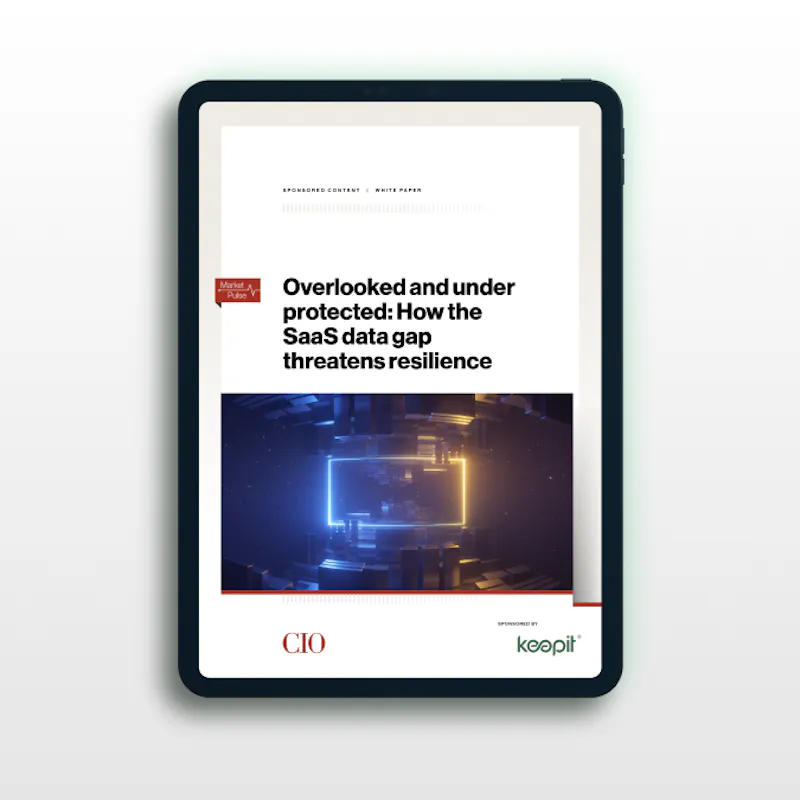
CIO MarketPulse Survey: State of SaaS Data Protection

Key insights into how senior IT leaders are managing cloud data security.

A new survey of over 300 senior IT decision-makers in the US, Europe, and Asia-Pacific reveals significant gaps in how organizations are protecting their data in the cloud. The findings highlight the need for more robust, independent backup solutions to ensure business continuity in an increasingly complex threat environment.

Over-reliance on Native Backup

The survey found that **37% of respondents** rely solely on the native backup capabilities of their SaaS applications. This approach leaves them vulnerable to data loss and service disruptions, as native backups often have limitations.

Long Recovery Times

A staggering **11% of respondents** reported that it would take them a month or longer to recover data after a loss event—or that they might not be able to fully recover at all. This highlights a critical risk to business operations and continuity.

Recent Data Loss Events

Almost half of the organizations surveyed, specifically **49% of respondents**, have experienced a major data loss event in the past year, underscoring the real and immediate threat facing businesses today.

The Demand for Segregated Storage

Senior IT decision-makers are recognizing the need for independent backup solutions. **61% of respondents** stated that physically segregated storage is a key requirement for modern SaaS backup, showing a clear shift in industry priorities toward greater data security and control.

The survey results confirm that many businesses are at risk due to inadequate cloud data protection strategies. The findings strongly suggest that an independent, immutable, and physically segregated backup solution is essential for securing business continuity and mitigating data loss.

Download the report


Defining data governance and data classification

So, what is data governance and how does it relate to cyber resilience?

Existing under the broad umbrella of data management, data governance is a program — implemented via policies and standards — intended to ensure the availability, quality, and security of an organization’s data in accordance with applicable regulations and obligations (e.g., adhering to industry standards, fulfilling requirements for certifications, etc.).

Within data governance, data classification is the process of separating and organizing data into relevant groups (“classes”) based on their shared characteristics, such as the level of sensitivity, risks they present, and the compliance regulations that protect them.

Data governance underpins cyber resilience plans

An intelligent data governance program delivers several beneficial outcomes for organizations:

  • It helps to ensure the availability, quality, and security of an organization’s data, making it a foundational pillar of business continuity.
  • Data governance helps improve overall data accuracy and impacts outcomes based on that data — which can range from comparatively simple day-to-day business decisions and operations to more complex, forward-looking initiatives including AI-focused programs.
  • It helps to support organizational efforts to comply with regulations and other obligations, making it a cornerstone of compliance.
  • An effective data governance program also permeates the entire organization, increasing data literacy, data accessibility, and data scalability.

Do you know where your data is?

Of course, disaster recovery planning cannot start without a clear understanding and mapping of your data and its significance to your business. What data is crucial for us to continue running our operations? Who needs access to which data to do their job? Where do we store all of this critical data?

Knowing the answers to these questions will start your journey towards ensuring continuity in cases of data loss or cyberattacks. This is achieved through an efficient and effective data governance framework.

I hope that, with our new report in hand, CISOs and CIOs will be able to future-proof their modern, data-driven enterprises through effective data governance.

About Keepit’s new report, “Intelligent data governance: Why taking control of your data is key for operational continuity and innovation.”

Our report takes a practical approach to data governance by offering a resource to organizations for creating or adopting a framework that works best for them.

Key takeaways from the report:

-Major trends shaping enterprise IT

-The importance of “always-on” data

-Resilience against data loss and corruption

-Data governance as an investment

-A practical approach to data governance

-10 questions for board discussions

Get the full report

About Keepit
At Keepit, we believe in a digital future where all software is delivered as a service. Keepit’s mission is to protect data in the cloud Keepit is a software company specializing in Cloud-to-Cloud data backup and recovery. Deriving from +20 year experience in building best-in-class data protection and hosting services, Keepit is pioneering the way to secure and protect cloud data at scale.

About Version 2 Digital

Version 2 Digital is one of the most dynamic IT companies in Asia. The company distributes a wide range of IT products across various areas including cyber security, cloud, data protection, end points, infrastructures, system monitoring, storage, networking, business productivity and communication products.

Through an extensive network of channels, point of sales, resellers, and partnership companies, Version 2 offers quality products and services which are highly acclaimed in the market. Its customers cover a wide spectrum which include Global 1000 enterprises, regional listed companies, different vertical industries, public utilities, Government, a vast number of successful SMEs, and consumers in various Asian cities.

ESM vs. ITSM: Expanding Service Management Beyond IT

ESM 與 ITSM:將服務管理擴展至 IT 以外的領域

Enterprise Service Management (ESM) extends the proven principles of IT Service Management (ITSM) across an entire organization. As companies apply these service-oriented practices to departments beyond IT, the strategic value of service management grows, aligning technology, business processes, and company-wide goals.

However, ESM isn't a one-size-fits-all solution. The decision to focus on ITSM or expand to ESM depends on an organization's maturity, needs, and strategic priorities. This article clarifies the relationship between these two concepts, exploring their similarities, differences, and the conditions under which an ESM strategy makes the most sense.


What is IT Service Management (ITSM)?

IT Service Management (ITSM) is the strategic framework for how an organization designs, delivers, manages, and improves its technology services. Using dedicated tools and workflows, ITSM focuses on aligning IT services with the needs of the business and its customers. The primary goal is to enhance business performance, boost productivity, and increase user satisfaction by managing IT effectively.

ITSM provides structure to core IT functions, helping organizations achieve business objectives while optimizing budgets. The de facto framework for implementing ITSM is ITIL® (Information Technology Infrastructure Library), which outlines 34 practices, including key processes like:

  • Incident Management: Restoring normal service operation as quickly as possible.
  • Problem Management: Identifying and addressing the root causes of incidents.
  • Change Management: Controlling the lifecycle of all changes to minimize disruption.
  • Asset Management: Tracking and managing IT assets throughout their lifecycle.

Benefits of ITSM

When an IT department is central to business operations, a mature ITSM practice delivers significant advantages:

  • Effective IT Governance:Secure and efficient management of the entire IT environment.
  • Faster Resolution:Rapidly address and resolve incidents and underlying problems.
  • Transparent Changes:Implement system changes with clear traceability and minimal risk.
  • Clear Visibility:Gain a comprehensive overview of IT assets and their interdependencies.

A Practical Example: Saxony State Office for Schools and Education (LaSuB)

LaSuB struggled with a complex and inefficient IT support system. By implementing a centralized ITSM solution with OTRS, they streamlined request management. Now, tickets and notes are easily routed to the correct teams, enabling even small groups to operate efficiently and deliver superior service.


What is Enterprise Service Management (ESM)?

Enterprise Service Management (ESM) is the application of ITSM principles, practices, and technologies to other business departments. Teams in areas like Human Resources (HR), Legal, Facilities, Finance, and Marketing adopt a service management model to structure their work, creating a consistent and high-quality service experience across the organization.

In short, ESM uses the ITSM blueprint to improve organization, visibility, communication, and efficiency on an enterprise-wide scale.

Benefits of ESM

A well-implemented ESM strategy enhances organization-wide processes and drives strategic business goals. Key benefits include:

  • Improved Service Experience:Customers and employees receive consistent, high-quality service without long waits or miscommunication.
  • Increased Agent Satisfaction:Support agents in every department benefit from clear structures and transparent workflows, reducing stress.
  • Cost Savings:Efficient, automated processes reduce both direct operational costs and opportunity costs.
  • Continuous Improvement:A structured service portfolio allows for active management and long-term optimization.
  • Enhanced Productivity:Automation of routine tasks frees up employees to focus on complex, value-added work.

ESM in Action: Employee Onboarding

Onboarding is a critical process that directly impacts employee retention. Without ESM, it can be a chaotic experience. With ESM, an automated workflow coordinates every step: HR initiates the process, IT provisions hardware and accounts, Facilities prepares the workspace, and the hiring manager receives a notification to prepare a training plan. The new employee arrives on day one with everything they need, ensuring a smooth and positive start.

Other examples include:

  • Internal Self-Service Portals:Employees can find answers to common questions about HR policies or facility requests without filing a ticket.
  • Streamlined Approvals:Structured workflows for financial or legal approvals ensure requests are tracked, escalated, and resolved within defined timelines.

Comparing ITSM and ESM: Key Similarities and Differences

Since ESM is an extension of ITSM, the two concepts share a common foundation in "Service Management." The primary distinction lies in their scope: "IT" for Information Technology versus "E" for Enterprise.

Shared Foundation

Both ITSM and ESM leverage the same core principles to deliver efficient, goal-oriented service:

  • Customer-Centricity:A strong focus on meeting the needs of the end-user (whether an external customer or an internal employee).
  • Efficient Workflows:Standardized processes that improve collaboration and save time.
  • Automation:Reducing manual errors and freeing up teams for more strategic tasks.
  • Self-Service:Portals that empower users to resolve simple issues 24/7.
  • Knowledge Management:Centralized knowledge bases with FAQs, guides, and solutions for faster support.
  • Common Tooling:Use of similar software to manage tickets, workflows, and services.

Key Differences

The core difference is the domain of application. ITSM manages technology services, while ESM expands this model to manage business services.

AspectIT Service Management (ITSM)Enterprise Service Management (ESM)
FocusIT-related services (e.g., system upgrades, access requests, application support).Business-oriented services across departments (e.g., employee onboarding, contract approvals, facilities requests).
ScopeConfined to the IT department and its services.Encompasses the entire organization (HR, Legal, Finance, etc.).
Strategic AlignmentAligns IT performance with business goals.Directly supports broader business goals like enterprise-wide cost savings and customer satisfaction.
MaturityA well-established discipline with standardized frameworks like ITIL®.An emerging practice that requires adapting ITIL principles to non-technical contexts.

In essence: ITSM perfects service delivery within IT. ESM scales those perfected practices across the enterprise.


ITSM or ESM: Which Approach is Right for You?

ITSM and ESM are not mutually exclusive; they represent a continuum of service management maturity. The real question is not if you should choose one over the other, but when you should expand from ITSM to ESM. An IT department with a mature ITSM practice is perfectly positioned to champion this evolution.

When to Focus on ITSM

A dedicated focus on ITSM is essential when:

  • The primary goal is to bring order and efficiency to a complex, interdependent IT environment.
  • Other business departments are not yet accustomed to process-oriented work and require foundational service management basics.

When to Adopt ESM

Expanding to ESM is the logical next step when:

  • Your ITSM practice is mature and consistently delivering value.
  • Inefficient cross-departmental processes (like onboarding or procurement) are creating bottlenecks and frustration.
  • Your organization is ready to standardize service delivery and leverage automation across all business functions.

The most effective approach is to build on your ITSM success. Evolve it step-by-step into a comprehensive ESM strategy, starting with a department like HR that handles a high volume of complex requests and can benefit immediately from structured service management.


Final Thoughts: Expand What Works

ITSM and ESM are different expressions of the same powerful principle: to deliver outstanding service efficiently and consistently. If ITSM is already succeeding in your IT department, you have a proven model for success that can benefit the entire organization.

While still less common than ITSM, ESM offers early adopters a significant competitive advantage. By creating a highly structured, results-driven service culture, ESM helps achieve critical business goals and fosters a more collaborative, efficient, and productive workplace.

關於 OTRS

OTRS (originally Open-Source Ticket Request System) is a service management suite. The suite contains an agent portal, admin dashboard and customer portal. In the agent portal, teams process tickets and requests from customers (internal or external). There are various ways in which this information, as well as customer and related data can be viewed. As the name implies, the admin dashboard allows system administrators to manage the system: Options are many, but include roles and groups, process automation, channel integration, and CMDB/database options. The third component, the customer portal, is much like a customizable webpage where information can be shared with customers and requests can be tracked on the customer side.

About Version 2

Version 2 Digital is one of the most dynamic IT companies in Asia. The company distributes a wide range of IT products across various areas including cyber security, cloud, data protection, end points, infrastructures, system monitoring, storage, networking, business productivity and communication products. Through an extensive network of channels, point of sales, resellers, and partnership companies, Version 2 offers quality products and services which are highly acclaimed in the market. Its customers cover a wide spectrum which include Global 1000 enterprises, regional listed companies, different vertical industries, public utilities, Government, a vast number of successful SMEs, and consumers in various Asian cities.

AWS WAF with Cloudbric Managed Rules in Four Simple Steps (Old & New Console Version)

How to Deploy Cloudbric Managed Rules for AWS WAF in 4 Steps

Protect your AWS applications in minutes. Cloudbric’s managed rules for AWS WAF condense enterprise-grade threat intelligence into a simple, one-click deployment. This guide shows you how to add battle-tested security logic to your applications without writing code or scheduling downtime.

Why Add Cloudbric to AWS WAF?

While AWS WAF provides a powerful framework, its effectiveness depends on the quality of the rules you apply. Cloudbric delivers curated, pre-tuned rule groups that allow you to:

  • Deploy Faster:Launch comprehensive security policies in under five minutes.
  • Stay Ahead of Threats:Benefit from daily rule updates that track emerging CVEs and attack patterns.
  • Reduce False Positives:Utilize machine learning-aided signatures that minimize noise and disruptions.
  • Pay as You Go:Subscribe per rule group for each web ACL with no long-term lock-in.

Setup at a Glance

Before you begin, ensure you have:

  • An AWS Account:With AWS WAF enabled and the necessary IAM permissions (e.g., wafv2:**).
  • A Target Resource:A CloudFront distribution, Application Load Balancer (ALB), API Gateway, or other supported AWS service you wish to protect.
  • A Cloudbric Subscription:If you're a new user, AWS will prompt you to subscribe via the AWS Marketplace directly within the setup process—no need to leave the console.

Deploying Cloudbric Rules: A Step-by-Step Guide

This walk-through uses the modern AWS WAF console workflow.

Step 1: Navigate to AWS WAF & Create a Web ACL

From the AWS Management Console, go to WAF & Shield. In the left navigation pane, click Web ACLs, then click Create web ACL. A Web Access Control List (Web ACL) is a set of rules that provides fine-grained control over the web traffic that reaches your application. WAF & Shield。在左側導覽窗格中,點擊 Web ACLs,然後點擊 Create web ACL。Web 存取控制清單(Web ACL)是一組規則,能對到達您應用程式的網路流量進行精細控制。

Step 2: Describe the Web ACL and Associate Resources

Name your Web ACL and provide an optional description.

Select the AWS resource(s) you want to protect (e.g., your CloudFront distribution or ALB). Click Next.

Step 3: Add Cloudbric's Managed Rules

This is where you integrate Cloudbric’s security intelligence.

  1. On the "Add rules and rule groups" screen, click the Add rules dropdown and select Add managed rule groups.
  2. Scroll down to the AWS Marketplace managed rule groups section.
  3. Expand the Cloudbric Corp. provider listing to see all available rule groups.
  4. Locate the rule group you need (e.g.,OWASP Top 10 Rule Set) and toggle the Add to web ACL switch.

First-Time Subscription: If you haven't subscribed before, a prompt will appear. Click "Subscribe in AWS Marketplace," accept the terms, and return to the WAF console. The toggle will now be active.

Once added, the rule group will appear in your list with its associated WCU (Web ACL Capacity Unit) cost. Repeat this for any other Cloudbric rule groups you wish to add. Click Next.

Step 4: Set Rule Priority, Review, and Create

Set rule priority if you have added multiple rules. By default, your new rule group will be evaluated last.

Review your configuration to ensure all settings are correct.

Click Create web ACL. The deployment typically takes about 60-90 seconds.

A success banner will confirm that your AWS resources are now protected by your new Web ACL featuring Cloudbric's managed rules.


Your Security Toolkit: The Cloudbric Rule Arsenal

Choose the right protection for your specific needs. Here’s a breakdown of the available rule groups, their purpose, and their capacity cost.

Rule Group What It Does for You When to Use It
API Protection Guards against the OWASP API Security Top 10 (injection, broken authentication, data exposure) with schema and rate-based checks. Any public or partner-facing REST/GraphQL API, especially for fintech, SaaS, or mobile back-ends.
Anonymous IP Protection Detects and blocks traffic from VPNs, proxies, Tor exits, and other anonymizing services to prevent fraud. Stop fraud rings, price scrapers, and location-based abuse without blocking legitimate users.
Bot Protection Uses behavioral and signature-based filters to block credential stuffing, carding, inventory hoarding, and SEO spam. E-commerce checkouts, ticketing sites, and login portals where bot traffic harms business.
Malicious IP Reputation Blocks traffic from a real-time feed of 700k+ IPs linked to malware, spam, DDoS, and C2 servers. A quick, low-cost win for any business to instantly reduce its attack surface.
OWASP Top 10 Provides broad protection against the most critical web application security risks like SQLi, XSS, and path traversal. The essential security blanket for every new website and application before it goes live.
Tor IP Detection Specifically flags and blocks traffic from Tor exit nodes to cut off high-risk, anonymous vectors. Banking, gaming, or any service where user identity and accountability are critical.

Pricing and WCU (Web ACL Capacity Units)

AWS WAF usage is calculated with WCUs. You can combine multiple rule groups in a single Web ACL, but note that the default WCU limit is 1,500 before additional charges apply.

Cloudbric Rule Group Typical WCU Monthly List Price*
API Protection 1,200 Pay-as-you-go via AWS Marketplace
Anonymous IP Protection 90
Bot Protection 150
Malicious IP Reputation 6
OWASP Top 10 1,400
Tor IP Detection 6

*Pricing is managed directly through your AWS bill.


Ready to Lock Down Your Edge?

Cloudbric brings enterprise-grade protection to your AWS WAF environment without the enterprise-level complexity. With a setup time of less than five minutes and threat intelligence that’s updated daily, you can secure your applications and get back to building.

About Penta Security

Penta Security takes a holistic approach to cover all the bases for information security. The company has worked and is constantly working to ensure the safety of its customers behind the scenes through the wide range of IT-security offerings. As a result, with its headquarters in Korea, the company has expanded globally as a market share leader in the Asia-Pacific region.

As one of the first to make headway into information security in Korea, Penta Security has developed a wide range of fundamental technologies. Linking science, engineering, and management together to expand our technological capacity, we then make our critical decisions from a technological standpoint.

About Version 2

Version 2 Digital is one of the most dynamic IT companies in Asia. The company distributes a wide range of IT products across various areas including cyber security, cloud, data protection, end points, infrastructures, system monitoring, storage, networking, business productivity and communication products. Through an extensive network of channels, point of sales, resellers, and partnership companies, Version 2 offers quality products and services which are highly acclaimed in the market. Its customers cover a wide spectrum which include Global 1000 enterprises, regional listed companies, different vertical industries, public utilities, Government, a vast number of successful SMEs, and consumers in various Asian cities.

×

Hello!

Click one of our contacts below to chat on WhatsApp

×