Skip to content

Unleashing the Power of Protection: Why Network Access Controls are Vital for Data Security

Safeguarding Data in the Digital Jungle

In today’s fast-paced digital world, where information flows freely and cyber threats lurk around every corner, organizations must fortify their data defenses. The need to protect sensitive information has become more critical than ever before. In this age of technological marvels, implementing robust network access controls has emerged as the key to ensuring the safety of valuable data. Join us as we explore why organizations worldwide are turning to these safeguards to shield their digital assets from harm.

The Importance of Network Access Controls

The Rise of Digital Vulnerabilities

With the proliferation of cloud computing, Internet of Things (IoT) devices, and remote working practices, organizations face an expanding attack surface. Malicious actors are constantly devising innovative methods to breach network defenses and gain unauthorized access to sensitive data. This evolving landscape demands a proactive approach to security, where network access controls play a pivotal role.

network access controls portnox security

Fortifying the Perimeter

Network access controls act as sentinels, standing guard at the gates of an organization’s digital infrastructure. By defining and enforcing access policies, these controls ensure that only authorized personnel can enter the network. Whether it’s a virtual private network (VPN) for remote access or an authentication system for employees, these controls create a fortified perimeter that prevents unauthorized entry.

Granular Control, Enhanced Security

One of the significant advantages of network access controls is their ability to provide granular control over user access. Through user authentication, multi-factor authentication (MFA), and role-based access controls (RBAC), organizations can restrict access to specific resources, limit privileges, and reduce the risk of data breaches. By granting the right people the right level of access, organizations can maintain the delicate balance between security and operational efficiency.

Defense in Depth

In an era where a single breach can lead to disastrous consequences, organizations must adopt a layered defense strategy. Network access controls complement other security measures, such as firewalls, intrusion detection systems, and encryption. By adding an additional layer of protection, these controls fortify the overall security posture of an organization, making it harder for attackers to penetrate the network perimeter.

Regulatory Compliance

As data privacy regulations continue to evolve worldwide, organizations must demonstrate compliance with stringent standards. Network access controls play a vital role in meeting these requirements. By implementing robust access controls and audit trails, organizations can showcase their commitment to data protection, ensuring that they are in line with regulations such as the General Data Protection Regulation (GDPR) and the California Consumer Privacy Act (CCPA).

Safeguarding Business Continuity

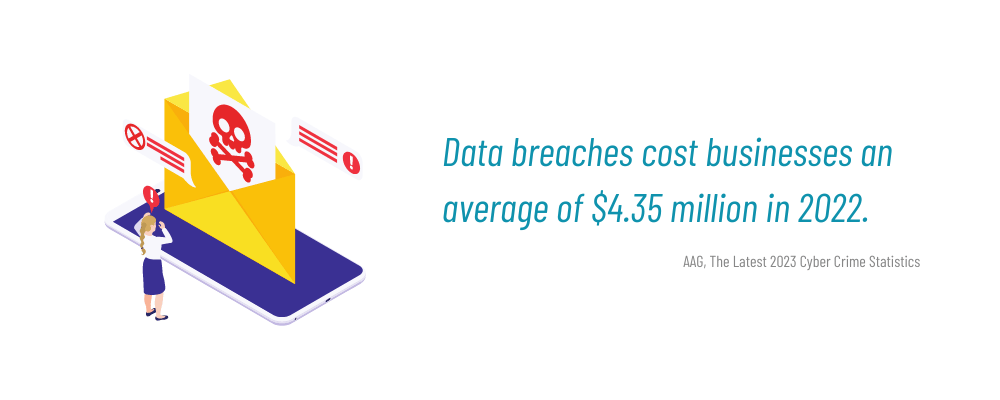
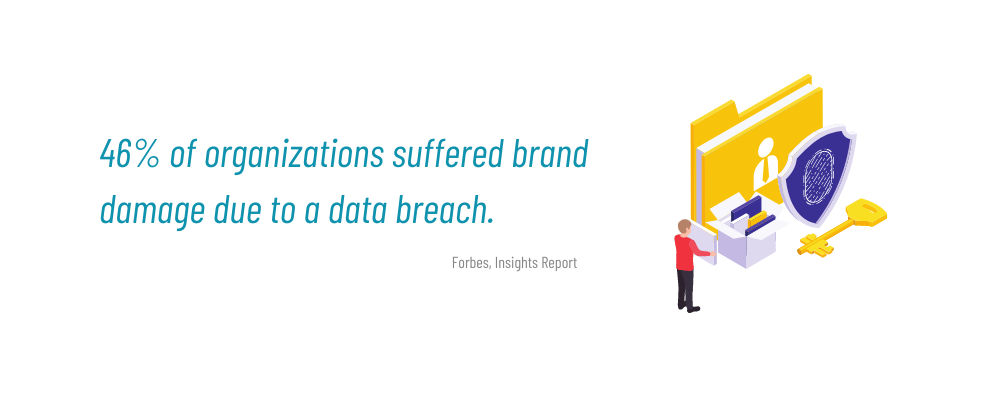
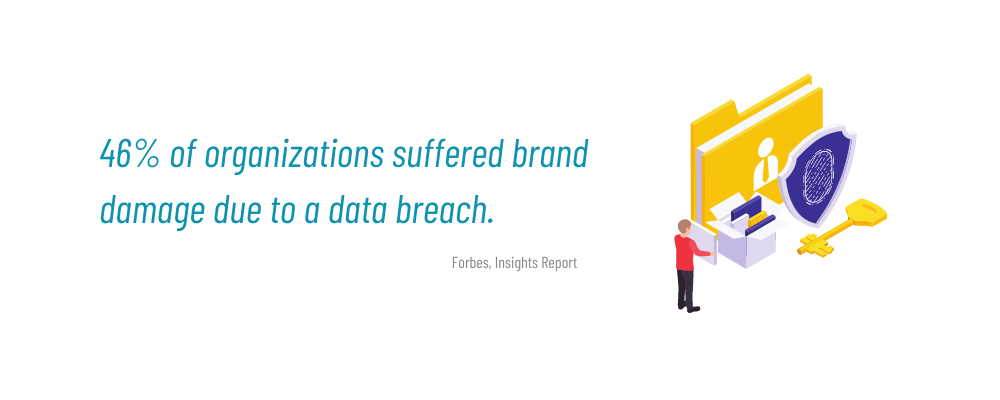
The impact of a data breach can be catastrophic, leading to reputational damage, financial loss, and disrupted operations. By implementing network access controls, organizations can minimize the risk of unauthorized access and mitigate the potential fallout of a security incident. Protecting data not only safeguards an organization’s operations but also fosters trust among customers, partners, and stakeholders.

https://www.portnox.com/wp-content/uploads/2023/06/network-access-control-graphic-2-1.png 1000w, https://www.portnox.com/wp-content/uploads/2023/06/network-access-control-graphic-2-1-500×200.png 500w, https://www.portnox.com/wp-content/uploads/2023/06/network-access-control-graphic-2-1-768×307.png 768w” data-lazy-sizes=”(max-width: 1000px) 100vw, 1000px” data-lazy-src=”https://www.portnox.com/wp-content/uploads/2023/06/network-access-control-graphic-2-1.png” />

Preservation Requires Network Access Controls

In the digital era, where data is the lifeblood of organizations, protecting sensitive information has become paramount. Implementing network access controls serves as a robust line of defense against cyber threats, ensuring that only authorized individuals can access valuable data. By fortifying the network perimeter, providing granular control, and adhering to regulatory compliance, organizations can safeguard their digital assets and preserve their reputation. So, don’t wait—unleash the power of protection with network access controls and embark on a secure digital journey where your data is shielded from the ever-present threats of the digital jungle.

About Version 2 Digital

Version 2 Digital is one of the most dynamic IT companies in Asia. The company distributes a wide range of IT products across various areas including cyber security, cloud, data protection, end points, infrastructures, system monitoring, storage, networking, business productivity and communication products.

Through an extensive network of channels, point of sales, resellers, and partnership companies, Version 2 offers quality products and services which are highly acclaimed in the market. Its customers cover a wide spectrum which include Global 1000 enterprises, regional listed companies, different vertical industries, public utilities, Government, a vast number of successful SMEs, and consumers in various Asian cities.

About Portnox
Portnox provides simple-to-deploy, operate and maintain network access control, security and visibility solutions. Portnox software can be deployed on-premises, as a cloud-delivered service, or in hybrid mode. It is agentless and vendor-agnostic, allowing organizations to maximize their existing network and cybersecurity investments. Hundreds of enterprises around the world rely on Portnox for network visibility, cybersecurity policy enforcement and regulatory compliance. The company has been recognized for its innovations by Info Security Products Guide, Cyber Security Excellence Awards, IoT Innovator Awards, Computing Security Awards, Best of Interop ITX and Cyber Defense Magazine. Portnox has offices in the U.S., Europe and Asia. For information visit http://www.portnox.com, and follow us on Twitter and LinkedIn.。

Ransomware Recovery for Breached Networks: A Deep Dive Into Data Recovery Across Industries

On a seemingly ordinary day in Curry County, Oregon (April 26, 2023, to be precise), a sheriff’s dispatch discovered a world gone silent and files rendered impenetrable, replaced with cold encryption that barred their way.

This was no ordinary assault; this was an ambush in the form of a meticulously executed ransomware attack. The lifeblood of the county’s daily operations—networks, servers, vital online services—had all been infected, leading to a paralysis that shocked the local community to a standstill.

A daunting reality set in for County Commissioner Brad Alcorn, “Everything’s got to start over… We are essentially starting from scratch.” The enemy behind this devastating cyber onslaught was revealed to be Royal, an infamous ransomware group known for their ruthless precision and escalating global attacks.

The Curry County incident serves as a cautionary tale about the pervasive threats posed by ransomware and the reality of ransomware recovery – ransomware data recovery isn’t always possible. It emphasizes the need for robust and adaptable cybersecurity measures in the face of rapidly evolving digital dangers.

With this in mind, let’s dive deeper into the ever-evolving ransomware landscape and the challenges companies face in recovering their critical data following a cyber attack.

Ransomware Now: A Snapshot

● The Verizon Data Breach Investigations Report 2022 highlights an alarming rise in ransomware attacks during that year, accounting for a quarter of all data breaches.
● Sophos’s report, “The State of Ransomware 2022,” reveals a troubling upward trend: a staggering 66% of organizations fell victim to ransomware in 2021, a surge of 78% from 2020.
● While all industries are at risk, some are more vulnerable than others. Industrial goods and services, technology, construction and materials, travel and leisure, healthcare, education, and government sectors are the top targets of these attacks.
● Cybereason’s survey points out the profound impacts of ransomware on the workforce. It led to layoffs in almost 40% of affected companies and prompted a 35% resignation rate at the executive level. One-third of these businesses had to pause operations temporarily.
● Small businesses are at heightened risk, according to an UpCity study, as only 50% of U.S. small businesses have established cybersecurity measures.
● Ransomware attackers mainly exploit known vulnerabilities in the systems they target.
● Phishing emails serve as the main gateway for ransomware attacks, illustrating the importance of cybersecurity awareness among employees.

These statistics aren’t meant to be alarmist but rather drive home the unquestionable and dire threat ransomware attacks pose in 2023. Because while it’s true that ransomware attacks are nothing new, they are evolving – they’re more frequent, sophisticated, and severe than in previous years.

It’s essential to understand this point. You’re more likely to fall victim to a ransomware attack today and, equally, more likely to need to navigate ransomware data recovery.

Ransomware Attacks & Recovery Across Industries

Ransomware data recovery is a gamble. It hinges on the decryption key that the hacker might provide post-payment. But there’s no guarantee. Hackers can disappear after payment, leaving data forever locked. Worse still, some malware strains irreversibly damage or delete files during the encryption process. Additionally, if backups (your route to self-recovery) are infected or nonexistent, data loss is almost inevitable.

The best way to understand the process and effects of these attacks is to look at some high-profile attacks more closely.

Government and Public Services

Oakland Attack: In late April, a ransomware attack struck Oakland, crippling the city’s email systems, phone lines, and some websites. While the attack didn’t touch emergency services, it substantially disrupted non-emergency ones. The city kept the ransom demand under wraps and refused to pay. Instead, they collaborated with law enforcement and cybersecurity professionals to investigate the attack and restore systems. The city also cautioned residents to watch for scams and phishing attempts stemming from the attack .

Dallas Attack: Dallas found itself grappling with the aftermath of a ransomware attack by the Royal ransomware gang. The attack severely disrupted systems running police, fire department, courts, and critical infrastructure operations. For two weeks, the city engaged in a massive recovery effort. Police officers reverted to handwritten notes, while firefighters entered dangerous scenarios without the usual digital dispatch information. Following criticism, the city restored some dispatch systems, albeit with notable delays. As the city’s chief information security officer Brian Gardner noted, the city would “be working at this for weeks and months to do all the clean up.”

Education

In 2020, a ransomware attack hit Baltimore County Public Schools (BCPS). The school, with 115,000 students, described it as a “catastrophic attack on our technology system.” The cause? An error by a contractor, says a report by Maryland’s Office of the Inspector General for Education.

The attack closed the school for two days in November and costs exceeded $9.6 million. The report suggests the school’s IT division failed to protect sensitive data and ignored audit recommendations. Critically, a phishing email went unnoticed for 15 days. A staffer received it and contacted tech support, who unknowingly released malware into the network. The antivirus couldn’t detect this malware and it stealthily disabled network functions, facilitating the attack.

Regarding ransomware data recovery, the FBI recommended that BCPS refrain from sharing information about the attack during and after the investigation as a security measure. However, the Office of the Inspector General for Education’s report commended the school for its prompt and comprehensive recovery actions. The measures implemented have been lauded as a leading example of cyber defense across the nation.

We do know that BCPS transitioned its database servers to an encrypted cloud environment, departing from their previous on-premise setup. This shift was a critical step in safeguarding against future cyber threats. The school also addressed earlier technology infrastructure needs identified in the Superintendent’s proposed operating budget. While initial requests for these improvements weren’t funded, the school’s response to the cyberattack ultimately accelerated its technology infrastructure upgrades.

Healthcare

The healthcare industry is a prime target for ransomware attacks due to the sensitive and highly lucrative data they store. Here are some recent healthcare ransomware attacks.

Morris Hospital: Morris Hospital & Healthcare Centers in Illinois faced a significant cyberattack on May 22, 2023. The Royal ransomware group, the same group behind the Curry Country attack, claimed responsibility. As part of ransomware recovery efforts, Morris brought in experts to investigate and check patient data exposure. They found that their primary medical record system was safe, but a network storing patient data was compromised. Luckily, already pre-installed security measures helped lessen the attack’s damage. The hospital promised to keep patients and the public updated.

Norton Healthcare: On May 9, 2023, Norton Healthcare in Kentucky suffered a cybersecurity hit. They regained control of their network but shifted to manual data recording to maintain patient care during the ransomware data recovery period. The attack led to delays in services like medical imaging and lab test results and also caused a backlog in patient portal messages.

Tennessee Orthopedic Clinics: Tennessee Orthopedic Clinics experienced a security breach between March 20 and March 24, 2023. The intrusion threatened patient information, including names, contact details, and health records. The clinic engaged experts for a thorough investigation and has since implemented more robust security measures to prevent future breaches. The number of affected patients remains unclear, but the clinic has informed the HHS’ Office for Civil Rights about the incident.

Industrial and Manufacturing

In 2020, Advantech, a prominent IoT manufacturer based in Taiwan, fell victim to a significant ransomware attack. The first indication of the breach came when the company received a ransom demand for a staggering 750 bitcoins, roughly equivalent to $14 million at the time.

The attackers offered a chilling proposition: pay up, and they would delete all stolen data and restore the encrypted systems. To further intimidate Advantech, the criminals published over 3GB of data on their leak site, claiming that this was a mere two percent of the total data they had exfiltrated.

Despite the apparent pressure, Advantech remained tight-lipped about whether the ransom was ultimately paid. Instead, the company emphasized its efforts toward recovery and reassured stakeholders that operations were gradually returning to normal. The company rolled out a variety of new detection and protection strategies, along with response actions to curtail the risks of similar attacks in the future .

This attack is highly significant because according to a Dragos report, ransomware attacks on industrial firms rose 87% in 2022 .

How Does Ransomware Removal Work?

Okay, let’s say ransomware locks up your systems. What next?

Ransomware removal is an intricate process that requires a comprehensive, step-by-step approach. When carried out correctly, it can mitigate the damage inflicted and ensure the safety of your system in the future.

Step 1: Disconnect the affected computer from the network or internet. This is paramount as it prevents further propagation of the ransomware and limits any potential damage to other systems within the network. The disconnection isolates the ransomware, containing it within the infected device.

Step 2: Identifying the specific type and variant of the ransomware. This is a critical part of the process, as different types of ransomware require other removal methods. Understanding the specific ransomware variant helps to determine the most effective approach for removal and can guide the selection of appropriate anti-malware tools or procedures.

Step 3: Utilize anti-malware or antivirus software to scrutinize the infected computer and eliminate the ransomware. It’s important to note that the efficacy of these software tools may vary based on the sophistication of the ransomware. Some advanced forms of ransomware may resist automated removal, necessitating manual intervention for their complete eradication.

Step 4: If backups of your files are available, you should use them to restore encrypted files. It’s essential, however, to ensure that the backup itself is clean and not infected with the ransomware before proceeding. A compromised backup can reintroduce the ransomware, undoing all previous removal efforts.

Step 5: In situations where a backup is not accessible or if the encrypted files cannot be restored, you may have to consider using a decryption tool, provided one is available. Note that decryption tools are ransomware-specific and may not exist for all variants. Their success rate also varies, and they might not always be able to decrypt your files.

Step 6: After successful ransomware removal and file restoration, ensure that your operating system, software applications, and security software are fully updated. Installing the latest patches and updates enhances your system’s resistance against potential future attacks. Regular updating is an integral part of maintaining a robust defense against ransomware and other forms of malware.

Strategies for Improving Chances of Data Recovery Following a Ransomware Attack

Of course, the best strategy is to not fall victim to a ransomware attack to begin with. Of course, this isn’t always possible. However, there are steps you can take that either reduce the likelihood of falling victim or increase your chances of ransomware data recovery following an attack:

  • Maintain Regular Backups: Regularly back up all critical data and ensure the backups are stored offsite or on a separate network, inaccessible to the infected systems.
  • Implement a Disaster Recovery Plan (DRP): Develop a comprehensive disaster recovery plan which outlines all steps to take in the event of a ransomware attack, including restoring backups and securing compromised systems.
  • Encrypt Sensitive Data: Encryption of sensitive data can help to protect it even if attackers gain access to the network.
  • Train Employees: Regularly conduct cybersecurity training to reduce the risk of phishing attacks, a common vector for ransomware.
  • Update and Patch Systems: Keep all systems updated with the latest patches to minimize vulnerabilities that ransomware might exploit.
  • Monitor Network Activity: Implement network monitoring to detect unusual activity that might signal a ransomware infection.
  • Use Robust Antivirus Software: Install and maintain a reliable antivirus program to help identify and remove potential threats.
  • Implement Multi-factor Authentication (MFA): MFA can help secure systems and make unauthorized access more difficult.

It’s primarily advised to seek professional advice for proper setup and maintenance of security measures, and include them in any recovery process. As always, in the event of a ransomware attack it’s critical to immediately inform local law enforcement and report to appropriate cybercrime units.

Remember, prevention is always better than recovery when it comes to ransomware attacks. Regular reviews of cybersecurity measures and updates to the disaster recovery plan can help to improve response time and effectiveness if an attack does occur.

Final Thoughts

Ransomware attacks pose a grave and escalating threat across various industries, causing extensive damage to data and networks. With this in mind, robust, systematic recovery efforts are not just beneficial but crucial. Proper understanding and implementation of these efforts can significantly mitigate the destructive impact and help maintain the integrity of critical data and systems.


About Version 2 Digital

Version 2 Digital is one of the most dynamic IT companies in Asia. The company distributes a wide range of IT products across various areas including cyber security, cloud, data protection, end points, infrastructures, system monitoring, storage, networking, business productivity and communication products.

Through an extensive network of channels, point of sales, resellers, and partnership companies, Version 2 offers quality products and services which are highly acclaimed in the market. Its customers cover a wide spectrum which include Global 1000 enterprises, regional listed companies, different vertical industries, public utilities, Government, a vast number of successful SMEs, and consumers in various Asian cities.

About Portnox
Portnox provides simple-to-deploy, operate and maintain network access control, security and visibility solutions. Portnox software can be deployed on-premises, as a cloud-delivered service, or in hybrid mode. It is agentless and vendor-agnostic, allowing organizations to maximize their existing network and cybersecurity investments. Hundreds of enterprises around the world rely on Portnox for network visibility, cybersecurity policy enforcement and regulatory compliance. The company has been recognized for its innovations by Info Security Products Guide, Cyber Security Excellence Awards, IoT Innovator Awards, Computing Security Awards, Best of Interop ITX and Cyber Defense Magazine. Portnox has offices in the U.S., Europe and Asia. For information visit http://www.portnox.com, and follow us on Twitter and LinkedIn.。

Examining the Tallahassee Memorial Hospital Cyber Attack

In late January 2023, Tallahassee Memorial Healthcare (TMH), a non-profit health system serving patients in North Florida and South Georgia, experienced a cyber attack that forced it to operate under emergency downtime procedures for around two weeks. The cyber attack was first detected on February 3, when TMH’s IT team noticed unusual system activity. The hospital’s systems were immediately secured, and a third-party cybersecurity firm was engaged to investigate the breach. 

The investigation determined that unauthorized individuals had access to TMH’s systems between January 26 and February 2, and exfiltrated files during that time. The files that were stolen included names, Social Security numbers, medical record and patient account numbers, addresses, dates of birth, health insurance information, dates of service, treatment plans, diagnoses, visit notes, prescription information, and physician names.

As a result of the Tallahassee Memorial Hospital cyber attack, affected patients were notified of the breach on March 31, and offered them free credit monitoring and identity theft protection services. The hospital also said that it did not believe that the cyber attack had any impact on patient care.

Could NAC Have Stopped the Tallahassee Memorial Hospital Attack?

Network access control (NAC) could have helped to stop the Tallahassee Memorial Hospital cyber attack. NAC is a security technology that controls who and what devices can access a network. It can be used to block unauthorized devices from accessing the network, and to enforce security policies for authorized devices.

In the case of the Tallahassee Memorial Hospital cyber attack, NAC could have helped to prevent the hackers from gaining access to the network in the first place. If the hackers’ devices had been blocked from accessing the network, they would not have been able to exploit the vulnerabilities that were used to launch the attack.

In addition to preventing unauthorized access, NAC can also be used to detect and respond to security incidents. For example, if a NAC system detects that an unauthorized device has gained access to the network, it can be configured to quarantine the device and notify security personnel.

Overall, NAC is a valuable security tool that can help to protect organizations from cyber attacks. In the case of the Tallahassee Memorial Hospital cyber attack, NAC could have helped to prevent the attack from happening in the first place, or to detect and respond to the attack more quickly.

Here are some specific ways that NAC could have helped TMH:

  • Block unauthorized devices from accessing the network.
  • Enforce security policies for authorized devices.
  • Detect and respond to security incidents.
  • Improve visibility into network traffic.
  • Provide reporting and auditing capabilities.

By taking these steps, NAC could have helped TMH to improve its cybersecurity posture and make it more difficult for hackers to successfully attack the organization.

A Good Reminder: It’s Important to Have a Prevention Plan

The Tallahassee Memorial Hospital cyber attack is a reminder of the importance of cybersecurity for healthcare organizations. Healthcare data is a valuable target for hackers, and organizations need to take steps to protect it. This includes implementing strong security measures, such as firewalls, intrusion detection systems, and data encryption. Organizations should also train their employees on cybersecurity best practices, such as how to spot phishing emails and how to create strong passwords.

The cyber attack on TMH is also a reminder of the importance of having a plan in place in case of a cyber attack. This plan should include steps for how to secure the organization’s systems, how to notify affected individuals, and how to recover from the attack. Organizations should regularly test their plans to make sure that they are effective.

About Version 2 Digital

Version 2 Digital is one of the most dynamic IT companies in Asia. The company distributes a wide range of IT products across various areas including cyber security, cloud, data protection, end points, infrastructures, system monitoring, storage, networking, business productivity and communication products.

Through an extensive network of channels, point of sales, resellers, and partnership companies, Version 2 offers quality products and services which are highly acclaimed in the market. Its customers cover a wide spectrum which include Global 1000 enterprises, regional listed companies, different vertical industries, public utilities, Government, a vast number of successful SMEs, and consumers in various Asian cities.

About Portnox
Portnox provides simple-to-deploy, operate and maintain network access control, security and visibility solutions. Portnox software can be deployed on-premises, as a cloud-delivered service, or in hybrid mode. It is agentless and vendor-agnostic, allowing organizations to maximize their existing network and cybersecurity investments. Hundreds of enterprises around the world rely on Portnox for network visibility, cybersecurity policy enforcement and regulatory compliance. The company has been recognized for its innovations by Info Security Products Guide, Cyber Security Excellence Awards, IoT Innovator Awards, Computing Security Awards, Best of Interop ITX and Cyber Defense Magazine. Portnox has offices in the U.S., Europe and Asia. For information visit http://www.portnox.com, and follow us on Twitter and LinkedIn.。

When Time Stands Still: The Business & Operational Impacts of System Downtime

It happens to businesses worldwide every day: A routine day turns into chaos as systems crash, bringing operations to a grinding halt. This is system downtime – an IT nightmare that can have significant implications for any business. In our fast-paced, digitally interconnected world, even a few minutes of system unavailability can lead to substantial financial losses, operational disruptions, and reputational damage.

Despite being an issue that falls squarely in the IT domain, system downtime reverberates throughout the entire business. Yet, many firms fail to fully understand its actual cost and reach. Knowledge is power, and by better understanding the wide-ranging implications of system downtime, businesses can implement effective strategies to mitigate its impacts.

Top Causes of System Downtime

Before we dive into the cost of system downtime, let’s familiarize ourselves with why these events occur in the first place.

  1. Hardware Failures: Hardware components can break down over time due to wear and tear or sudden malfunctions. This includes servers, hard drives, and network devices.
  2. Software Malfunctions: Bugs, compatibility issues, or incorrect configuration can cause a software crash, leading to downtime.
  3. Cyber Attacks: Hackers can cause system downtime through various methods such as Distributed Denial of Service (DDoS) attacks, viruses, ransomware, and other types of malicious software.
  4. Network Failures: This includes server overload, connectivity problems, or problems with service providers.
  5. Human Error: Mistakes made by staff, such as incorrect system configuration, accidental deletion of critical data, or the mishandling of hardware, can cause system downtime.
  6. Power Outages: Unexpected loss of power can cause immediate system downtime. Even with UPS systems in place, prolonged power outages can lead to downtime.

Cyber attacks are an increasingly alarming cause of system downtime, posing a serious threat to businesses and critical sectors. When these attacks occur, not only do they cause immediate disruption, but they can also have long-lasting implications. This is especially dangerous for vital industries like healthcare, manufacturing, and the industrial sector.

In healthcare, system downtime can impede access to crucial patient information, delay treatments, and disrupt emergency services – literally becoming a matter of life and death. For manufacturing and industrial sectors, a cyber attack can halt production lines, disrupt supply chains, and cause severe financial losses that ripple through industries. In all cases, such attacks can damage a company’s reputation and erode customer trust.

Understanding IT Downtime Costs – Real Business Impacts

IT downtime can result in a significant financial hit, but calculating that cost may seem complex. Luckily, there’s a simple formula: 

Hourly Cost of Downtime = Lost Revenue + Lost Productivity + Recovery Costs + Intangible Costs

Let’s break this down.

Lost Revenue

How much does your business earn per hour? Dividing your weekly revenue by 40 should give you that figure. The key factor here is your reliance on uptime. Uptime indicates how long your site or system is functional. If you’re a business like an online store that entirely depends on the internet for sales, your uptime dependency is 100%. So, the loss of revenue during downtime is directly tied to your uptime percentage.

Here’s how you can calculate Lost Revenue:

Hourly Revenue x Downtime (hours) x Uptime (%) = Lost Revenue

For example, if your hourly revenue is $5,000, your network was down for 3 hours, and your uptime percentage is 35%, your lost revenue would be $5,250.

Lost Productivity

When your servers crash, your employees can’t work. Still, their salaries are constant. So to calculate lost productivity, you need to figure out each employee’s hourly salary, then the percentage of their productivity that relies on uptime (Utilization Percentage).

Lost Productivity = Employee’s Hourly Salary x Utilization % x Number of employees (with the same Utilization %)

Recovery Costs

Recovery costs are the expenses incurred in rectifying the issue(s) that led to the downtime. These can include:

  1. Repair Services: When a system goes down, the first step in recovery is identifying and fixing the issue. This might require the services of IT professionals, either from your in-house team or external consultants. The associated costs could include their hourly rate and any additional fees for emergency service or overtime work. For example, in a hardware failure scenario, an IT technician might need to be called in to diagnose and repair the faulty component.
  2. Replacement Parts: In some cases, repair might not be an option. When a piece of hardware fails beyond repair, it needs to be replaced. This could range from a faulty network router to a server or an entire data center in the case of catastrophic events, like natural disasters.
  3. Lost Data Recovery: Data is often the lifeblood of a business. If data is lost during a downtime event, it may need to be recovered. This could involve using special software or hiring a data recovery service. Costs can vary greatly depending on the complexity of the recovery, the amount of data, and the extent of what has been lost. For example, if a hospital’s patient records are lost due to a system crash, recovering this information would be critical, potentially requiring the services of a specialized data recovery firm.
  4. Miscellaneous Costs Due to Data Loss: Lost data can have additional costs beyond the recovery efforts. There might be regulatory penalties if the lost data includes sensitive customer information. Businesses may also lose customer trust, resulting in lost sales. Moreover, employees might need to spend time recreating lost data, leading to lost productivity.

Although less straightforward than revenue and productivity costs, recovery costs are equally vital in determining the total cost of downtime.

Intangible Costs

Intangible costs might not be apparent immediately but can lead to lasting damage. For example, these costs arise when your reputation or brand image suffers due to downtime. For businesses highly reliant on uptime, these intangible costs can be significant. Incorporating intangible costs into your Total Down Cost Formula will help reveal the potential long-term consequences of downtime.

Final Thoughts

Here’s the bottom line. System downtime can cripple operations, reputation, and revenue streams. Understanding its cost isn’t just about dealing with a crisis, but about proactive planning and prevention. It equips businesses to invest wisely in robust IT infrastructure, practical training, and comprehensive recovery plans, enabling resilience in the face of unexpected outages.

About Version 2 Digital

Version 2 Digital is one of the most dynamic IT companies in Asia. The company distributes a wide range of IT products across various areas including cyber security, cloud, data protection, end points, infrastructures, system monitoring, storage, networking, business productivity and communication products.

Through an extensive network of channels, point of sales, resellers, and partnership companies, Version 2 offers quality products and services which are highly acclaimed in the market. Its customers cover a wide spectrum which include Global 1000 enterprises, regional listed companies, different vertical industries, public utilities, Government, a vast number of successful SMEs, and consumers in various Asian cities.

About Portnox
Portnox provides simple-to-deploy, operate and maintain network access control, security and visibility solutions. Portnox software can be deployed on-premises, as a cloud-delivered service, or in hybrid mode. It is agentless and vendor-agnostic, allowing organizations to maximize their existing network and cybersecurity investments. Hundreds of enterprises around the world rely on Portnox for network visibility, cybersecurity policy enforcement and regulatory compliance. The company has been recognized for its innovations by Info Security Products Guide, Cyber Security Excellence Awards, IoT Innovator Awards, Computing Security Awards, Best of Interop ITX and Cyber Defense Magazine. Portnox has offices in the U.S., Europe and Asia. For information visit http://www.portnox.com, and follow us on Twitter and LinkedIn.。

Evolving Cyber Threats Demand Refined BYOD Policies

As the world continues to adapt to the evolving landscape of hybrid work, IT security teams find themselves at the forefront of a relentless battle against increasingly sophisticated cyber threats. With the proliferation of Bring Your Own Device (BYOD) policies in organizations, the need to carefully define and enforce security protocols has never been more critical. As cyber attackers constantly refine their techniques, the effectiveness of BYOD policies becomes a vital component in safeguarding sensitive data and protecting corporate networks. 

The past few years witnessed a significant surge in remote work, with organizations quickly pivoting to virtual operations amid the global pandemic. This shift, while essential for business continuity, also opened up new avenues for cybercriminals to exploit vulnerabilities. A multitude of ransomware attacks, data breaches, and phishing attempts have left organizations grappling with the dire consequences of inadequate security measures.

Blurred Lines Between Devices & Networks

Enterprises across sectors are now embracing hybrid work models, blurring the lines between personal and professional devices and networks. This integration necessitates a reevaluation of existing BYOD policies, as cyber threats become more insidious and sophisticated. It is imperative for IT security teams to establish clear guidelines and protocols that strike the delicate balance between convenience and protection.

While organizations have historically struggled to balance employee autonomy and data protection, the urgency to fortify BYOD policies has never been more pressing. With the potential for a single compromised device to become a gateway for cyber attackers to infiltrate corporate networks, IT security teams must adopt a proactive approach to safeguarding sensitive information.

A robust BYOD policy should encompass stringent device registration and authentication protocols, regular security updates, and mandatory encryption measures. Educating employees about the importance of strong passwords, identifying phishing attempts, and adhering to security best practices must also be a core component of any comprehensive BYOD strategy.

Enforcing BYOD Policies with NAC

Furthermore, organizations can enhance their BYOD policies by implementing Network Access Control (NAC) solutions, which play a vital role in enforcing security measures across the network. NAC enables IT security teams to authenticate and authorize devices before granting access to the corporate network, thereby reducing the risk of unauthorized devices compromising sensitive information.

NAC solutions offer a comprehensive set of features that aid in implementing and enforcing BYOD policies effectively. Firstly, they provide device profiling capabilities, allowing IT teams to identify and categorize devices based on their characteristics and security posture. This profiling enables organizations to enforce specific policies tailored to different device types, ensuring that each device meets the required security standards before connecting to the network.

Secondly, NAC solutions can conduct pre-connect and post-connect assessments to validate the security posture of devices. Pre-connect assessments verify whether devices have up-to-date operating systems, antivirus software, and security patches. Post-connect assessments continuously monitor devices to detect any malicious activities or changes that could pose a security risk. These assessments help ensure that devices remain compliant with security policies throughout their connection to the corporate network.

The Need for a BYOD Strategy is Now

The dynamic nature of cyber threats necessitates constant evaluation and refinement of BYOD policies. IT security teams must collaborate closely with stakeholders across the organization, including legal, human resources, and IT departments, to ensure policies align with evolving industry standards and compliance regulations. Regular audits and assessments of the BYOD infrastructure will provide valuable insights into potential vulnerabilities and areas for improvement.

Furthermore, leveraging cutting-edge technologies such as artificial intelligence and machine learning can bolster security measures by identifying anomalies, detecting suspicious activities, and responding swiftly to potential threats. As cyber attackers continually adapt their tactics, organizations must remain agile and embrace innovative solutions to safeguard their digital assets effectively.

In an era where the consequences of a security breach can be devastating, IT security teams must assume a proactive stance to mitigate risks. Clear and well-defined BYOD policies, in tandem with ongoing employee education, will form the backbone of a robust defense against the ever-evolving cyber threats. By doing so, organizations can confidently navigate the hybrid work landscape while ensuring the integrity and security of their sensitive data.

As organizations strive to thrive in the new normal, one thing remains clear: a comprehensive and refined BYOD policy is no longer a luxury but a necessity. The time to act is now, as cyber attackers grow more sophisticated and relentless. The resilience of our digital infrastructure depends on it.

About Version 2 Digital

Version 2 Digital is one of the most dynamic IT companies in Asia. The company distributes a wide range of IT products across various areas including cyber security, cloud, data protection, end points, infrastructures, system monitoring, storage, networking, business productivity and communication products.

Through an extensive network of channels, point of sales, resellers, and partnership companies, Version 2 offers quality products and services which are highly acclaimed in the market. Its customers cover a wide spectrum which include Global 1000 enterprises, regional listed companies, different vertical industries, public utilities, Government, a vast number of successful SMEs, and consumers in various Asian cities.

About Portnox
Portnox provides simple-to-deploy, operate and maintain network access control, security and visibility solutions. Portnox software can be deployed on-premises, as a cloud-delivered service, or in hybrid mode. It is agentless and vendor-agnostic, allowing organizations to maximize their existing network and cybersecurity investments. Hundreds of enterprises around the world rely on Portnox for network visibility, cybersecurity policy enforcement and regulatory compliance. The company has been recognized for its innovations by Info Security Products Guide, Cyber Security Excellence Awards, IoT Innovator Awards, Computing Security Awards, Best of Interop ITX and Cyber Defense Magazine. Portnox has offices in the U.S., Europe and Asia. For information visit http://www.portnox.com, and follow us on Twitter and LinkedIn.。

×

Hello!

Click one of our contacts below to chat on WhatsApp

×