Skip to content

What is Synthetic Monitoring?

Introduction

A system that allows you to identify potential issues in your digital services before they even occur—this is exactly what Synthetic Monitoring offers.

We are talking about a proactive approach that simulates user interactions to ensure everything runs smoothly, 24/7.

In practice, Synthetic Monitoring is a crucial solution for preventing downtime, maintaining high service standards, and ensuring user satisfaction. And we all know how much the current challenges revolve around improving user experience quality.

From e-commerce to SaaS platforms, Synthetic Monitoring adapts to the various characteristics and needs of companies, offering an essential tool for anyone who wants to keep their digital services efficient at all times.

What is Synthetic Monitoring?

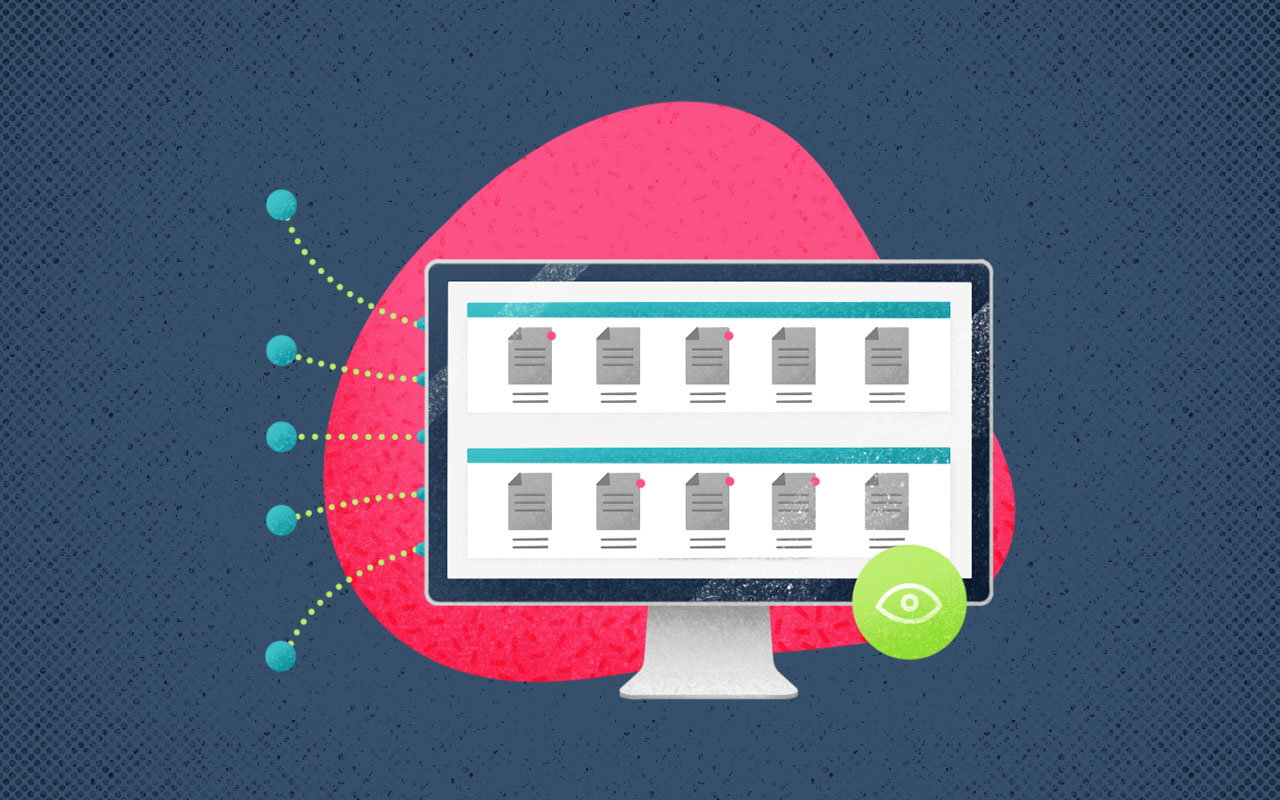
Let’s dive into a more operational level: Synthetic Monitoring is a set of techniques that use predefined scripts to simulate typical user actions on websites, applications, or services.

These scripts replicate activities such as:

  • Logging into a portal.
  • Making an online purchase.
  • Checking the availability of an API (and much more).

As mentioned earlier, the goal is to identify performance or functionality issues before they impact real users. Unlike Real-User Monitoring (RUM), which collects data from actual interactions, Synthetic Monitoring continuously tests systems, even in the absence of real traffic.

Key Features of Synthetic Monitoring Systems

We have already touched on the functionality, usefulness, and characteristics of Synthetic Monitoring systems. Here is a detailed list of their main features:

  • Proactive monitoring: Accurately identifies potential issues before they affect users.
  • Customization: Allows the creation of tailored scripts for specific scenarios—an essential factor since every business has unique characteristics and needs.
  • Global coverage: A good Synthetic Monitoring system simulates interactions from various locations to assess performance on a geographical scale.
  • Detailed metrics: Analyzes parameters such as response times, loading speeds, and error rates. The breadth and depth of these data points fuel the continuous improvement of these systems.

Now, let’s focus on the processes of Synthetic Monitoring and the different phases involved.

Synthetic Monitoring – The Different Process Phases

Synthetic Monitoring follows a structured process that includes script creation, regular testing, and data analysis. Let’s examine these steps in more detail.

1. Script Creation 

Scripts are designed to simulate the most crucial workflows for a company’s users. For example:

  • Simulating a product search on an e-commerce site.
  • Testing an API’s response to a specific request.
  • Checking the functionality of a shopping cart.
  • Simulating a digital payment process.

In other business contexts, scripts can also mimic:

  • The digital onboarding process for employees.
  • Data retrieval functions in a corporate database.
  • Automatic software updates.

These are just a few examples—the scope of application is vast.

2. Test Execution 

Scripts are executed regularly according to a predefined schedule that aligns with the company’s needs. Tests can be conducted from:

  • Various geographical locations, to verify global performance.
  • Different devices and browsers, ensuring omnichannel compatibility and consistency.

3. Data Collection and Analysis 

During testing, detailed data is collected on numerous aspects, including:

  • Response times
  • Error rates
  • Overall system availability
  • Performance under specific conditions, such as different connection speeds
  • System stability under load
  • Resource efficiency (CPU, memory, and other hardware elements, often in combination with APM tools)
  • Compliance with security standards
  • Accuracy in exception handling

Of course, this is not an exhaustive list.

4. Issue Reporting 

If a test fails or results fall outside defined parameters, the system must send clear, automated notifications to the IT team, enabling a quick response to resolve any issues.

The Benefits of Synthetic Monitoring

1. Proactive Issue Detection 

As emphasized from the beginning, Synthetic Monitoring enables the identification of anomalies and performance issues before they affect users. This approach reduces downtime and improves customer satisfaction—two interconnected and critically important factors.

2. Continuous Monitoring 

Unlike Real-User Monitoring, Synthetic Monitoring operates continuously, ensuring performance monitoring even during inactive hours.

3. Global and Omnichannel Coverage 

Simulating interactions from different locations helps identify regional performance disparities and optimize services for users worldwide. The same applies to various devices.

4. User Experience Optimization 

This is one of the most significant benefits derived from the previous points. Maintaining high performance levels is essential for user retention. And user retention is crucial for market success.

With Synthetic Monitoring, companies can offer customers and employees a reliable, fast, and satisfying experience.

5. SLA Compliance Support 

Finally, Synthetic Monitoring helps organizations meet Service Level Agreements (SLAs) by providing concrete performance data and reducing the risk of penalties.

Practical Applications of Synthetic Monitoring Across Industries

E-commerce

For an e-commerce site, ensuring that payment processes are fast, secure, and error-free is essential. Synthetic Monitoring ensures that all steps in the purchase flow work correctly, preventing issues that could lead to abandoned carts and transaction failures.

SaaS and Business Applications

For Software-as-a-Service (SaaS) providers, Synthetic Monitoring is crucial for verifying that APIs, databases, and core workflows are always available. For instance, an HR management app might use Synthetic Monitoring to ensure that its reporting system operates without interruptions.

Banking and Financial Sector

Financial institutions use Synthetic Monitoring to ensure that online banking portals and mobile apps are always secure and operational, allowing for fast and error-free transactions.

Given the sensitivity of this sector, the importance of this cannot be overstated.

Healthcare

Speaking of industries where security and reliability are paramount, we come to the healthcare sector.

Hospitals and clinics can use Synthetic Monitoring to ensure the availability of online appointment systems, telemedicine platforms, and patient portals—while also maintaining strict data privacy standards.

Challenges of Synthetic Monitoring 

While the benefits of Synthetic Monitoring are clear and indispensable, its implementation comes with some challenges that must be carefully considered: 

  • Script Maintenance: Scripts need regular updates to adapt to changes in workflows or applications. 
  • Limitations Compared to Real Users: Synthetic Monitoring cannot fully capture the experience of individual users. 
  • False Positives: Incorrectly configured metrics and thresholds can generate unnecessary alerts, overwhelming IT teams. 
  • Initial Costs: Implementing and maintaining a Synthetic Monitoring system requires a significant investment in resources and expertise. However, in most cases, this investment is well justified by its long-term returns. 

Conclusion 

Synthetic Monitoring is a valuable and essential tool for any company managing complex digital services (which, today, is the vast majority). 

By ensuring continuous performance monitoring, it identifies issues before they arise, enabling organizations to offer optimal user experiences. 

By integrating Synthetic Monitoring with other tools, such as Real-User Monitoring (RUM) and ITSM platforms, companies can gain a comprehensive view of performance and system health, combining proactive and reactive monitoring. 

This combined approach significantly enhances service quality and fosters trust-based relationships with customers, increasing retention rates. 

FAQ 

  1. What is Synthetic Monitoring?  A system that uses scripts to simulate user interactions and measure the performance of websites, applications, and services for continuous optimization. 
  2. What are the main benefits?  Proactive issue detection, continuous monitoring, global optimization, and improved customer experience. 
  3. Which industries benefit from Synthetic Monitoring?  Practically any industry requiring reliability and stability, but especially e-commerce, SaaS, financial services, healthcare, and other sectors where service continuity is crucial. 

About EasyVista  
EasyVista is a leading IT software provider delivering comprehensive IT solutions, including service management, remote support, IT monitoring, and self-healing technologies. We empower companies to embrace a customer-focused, proactive, and predictive approach to IT service, support, and operations. EasyVista is dedicated to understanding and exceeding customer expectations, ensuring seamless and superior IT experiences. Today, EasyVista supports over 3,000 companies worldwide in accelerating digital transformation, enhancing employee productivity, reducing operating costs, and boosting satisfaction for both employees and customers across various industries, including financial services, healthcare, education, and manufacturing.

About Version 2 Digital

Version 2 Digital is one of the most dynamic IT companies in Asia. The company distributes a wide range of IT products across various areas including cyber security, cloud, data protection, end points, infrastructures, system monitoring, storage, networking, business productivity and communication products.

Through an extensive network of channels, point of sales, resellers, and partnership companies, Version 2 offers quality products and services which are highly acclaimed in the market. Its customers cover a wide spectrum which include Global 1000 enterprises, regional listed companies, different vertical industries, public utilities, Government, a vast number of successful SMEs, and consumers in various Asian cities.

Artificial Intelligence in ITSM: Reducing Ticket Volume Through Automation

ITSM management has traditionally been characterized by a series of manual activities that tend to generate a high volume of tickets and delays in problem resolutionHoweverthings are rapidly changing


Artificial intelligence today enables organizations to enhance, streamline, and accelerate ITSM operations. Integrated into numerous solutions, AI ITSM is redesigning IT service delivery and support processes.

Thanks to artificial intelligence, companies can now automate and optimize workflows, improve user experiences, and increase overall service efficiency.

In particular, to facilitate ITSM automation, artificial intelligence is increasingly being integrated with ticket management systems.

Understanding AI in ITSM

There is a growing trend towards integrating AI-based capabilities into ITSM processes. According to a recent study by the Service Desk Institute, 71% of organizations are already evaluating or experimenting with AI ITSM.

The goal of integrating AI programs into ITSM is to develop and use advanced technologies to automate and optimize various aspects of IT service management. Organizations are particularly investing in:

  • Machine learning algorithms, which can learn from historical data to formulate more accurate predictions and solve problems before they escalate.
  • Natural Language Processing (NLP) systems, which allow AI systems to understand and respond to user queries in natural language, making interactions more intuitive and efficient.
  • Predictive analytics, enabling IT teams to anticipate potential issues and take appropriate preventive measures.

Together, these functionalities create a more adaptable ITSM environment. The level of automation enabled by AI not only accelerates resolution times but also frees up IT staff to focus on more complex tasks that require uniquely human skills.

The Integration of Artificial Intelligence in Ticket Management Systems

Organizations using generative AI for ticket resolution are seeing significant reductions in problem resolution times. This translates into satisfied employees experiencing shorter downtimes and increased productivity.

AI-based monitoring platforms connected to the ITSM ecosystem can automatically categorize and prioritize tickets based on the severity and business impact of identified issues.

By adopting tools capable of offering an end-to-end service experience, organizations can automatically classify tickets and route them to the appropriate support personnel, considering factors like workload and expertise. Additionally, they can recognize statistically most effective solutions that are more likely to resolve common problems without human intervention.

In other words: by analyzing patterns in ticket data, AI ITSM can predict which issues may require immediate resolution and which can be handled with less urgency.

By examining historical data to provide personalized solutions, it also becomes possible to prevent recurring problems while allowing IT service desk operators to devote more time to strategic matters.

How AI ITSM Improves User Experience by Reducing Ticket Volume

Gartner predicts that by 2025, 80% of customer support and service organizations will apply some form of generative AI to improve operator productivity and customer experience (CX), for example, in content creation and automating human work.

The greatest impact will likely be on user experience: Gartner also forecasts that organizations will replace between 20% and 30% of their workforce with generative AI. Simultaneously, new jobs will need to be created to implement these capabilities.

The key point is that AI can proactively prevent incidents by identifying and addressing potential issues before they negatively impact users.

In this context, where improving customer experience is inextricably linked to enhancing employer experience, one of AI ITSM’s most significant capabilities is undoubtedly reducing ticket volumes.

For instance, AI can monitor network performance and automatically adjust configurations to prevent outages. Such a proactive approach reduces the number of incidents that generate tickets, easing the service desk workload.

Shift-Left Strategies

Artificial intelligence also enables “shift-left” strategies, where users can independently resolve common IT issues through self-service and automation.

A shift-left strategy, when effectively applied, moves problem resolution closer to the end-user, away from higher and more costly support levels. In practice, it reduces the time service teams spend solving problems that customers could easily resolve themselves.

AI applications integrated into ITSM platforms can guide users through troubleshooting steps, answer frequently asked questions, and even perform basic tasks like password resets.

Thanks to immediate, automated support, these tools reduce the need for users to submit tickets for simple issues.

A crucial aspect of integrating AI into ITSM is the push towards a proactive approach. By leveraging technologies such as machine learning, NLP, and predictive analytics, organizations can create adaptive service desks that evolve with user needs.

AI-Based Automation in ITSM

AI-based automation is a key component of artificial intelligence in ITSM: it plays a central role in simplifying and speeding up service desk operations and can accelerate incident resolution by up to 50% (source: MIT Technology Review). Two main areas where its contribution is essential are:

  • Automatically categorizing and prioritizing tickets. By prioritizing based on content and urgency, the most critical issues are addressed promptly. Automation not only speeds up the resolution process but also reduces the likelihood of human error in ticket handling.
  • Performing intelligent ticket routing. By analyzing historical data and understanding IT staff skills, AI can automatically route tickets to the most suitable technician or support team. This ensures that tickets are resolved more quickly and accurately, improving overall service quality and reducing resolution times.

AI Benefits in ITSM for Organizations: Productivity and User Satisfaction

One of the most significant benefits of adopting AI in ITSM is the increase in productivity. By automating routine tasks and reducing incoming ticket volume, AI enables IT teams to focus on more strategic initiatives, resulting in more efficient use of resources and reduced operational costs.

Additionally, AI-based ITSM increases employee satisfaction by providing highly reliable support. End users can receive immediate assistance through AI-based self-service tools, reducing downtime and improving their overall experience. This proactive support approach not only boosts employee morale but also fosters a more productive work environment.

Best Practices for Implementing AI in ITSM 

To successfully integrate AI into an ITSM platform, organizations should follow some best practices: 

  • Choose the right tools. It is essential to select appropriate AI tools for each specific ITSM environment. For example, solutions that offer robust machine learning, NLP, and predictive analytics capabilities. 
  • Optimize automation workflows. Identifying routine tasks and processes and simplifying workflows that can be automated with AI ensures that automation adds real value without complicating existing activities. 
  • Ensure smooth adoption. IT staff will need proper training on how to use AI-based tools. Clear communication strategies and change management are essential for a smooth transition to AI-based ITSM. 
  • Secure monitoring solutions. Constantly monitoring AI tool performance and adjusting them as needed will help refine automation processes and ensure the system evolves with the organization’s needs. 

The modern IT landscape requires agility and responsiveness. Traditional ITSM tools, while valuable, may struggle to keep pace with evolving user needs and complex environments. This is where artificial intelligence (AI) emerges as a transformative force that will revolutionize how we manage our IT services. 

The Future of AI in ITSM 

The future of AI in ITSM is promising: advances in AI application development appear destined to further improve IT service delivery. 

As AI systems evolve, they become capable of handling increasingly complex tasks and offer levels of automation and support unimaginable just a few years ago. 

AI’s role in ITSM is likely to expand into areas like security and compliance, where it can be effectively used to identify potential threats and ensure adherence to regulatory requirements. 

The evolution of AI in ITSM will continue to make processes more efficient through cost reduction and automation-driven reduction in ticket volume, while simultaneously improving the overall user experience. 

FAQs 

FAQ 1: How is artificial intelligence (AI) changing the ITSM landscape? AI is transforming ITSM by automating and optimizing workflows. AI in ITSM helps reduce ticket volume, improve user experiences, and increase service efficiency. With technologies like machine learning and NLP, AI enables a proactive and adaptive approach to IT service management. 

FAQ 2: How does AI improve ticket management within ITSM? AI automates ticket categorization and prioritization based on severity and business impact, routing tickets to appropriate staff. It also analyzes historical data to offer personalized solutions, prevents recurring problems, and allows IT operators to focus on strategic issues. 

FAQ 3: What are the benefits of AI in ITSM for organizations? AI integration in ITSM increases productivity by automating routine tasks and reducing ticket volume. This allows IT teams to focus on strategic initiatives, reducing operational costs. Additionally, it improves employee satisfaction through reliable and proactive support. 

FAQ 4: What are the best practices for successfully implementing AI in ITSM? For successful AI implementation in ITSM, it’s crucial to choose tools suitable for the specific ITSM environment, optimize automated workflows, ensure smooth adoption through staff training, and constantly monitor AI tool performance to adapt to organizational needs.

About EasyVista  
EasyVista is a leading IT software provider delivering comprehensive IT solutions, including service management, remote support, IT monitoring, and self-healing technologies. We empower companies to embrace a customer-focused, proactive, and predictive approach to IT service, support, and operations. EasyVista is dedicated to understanding and exceeding customer expectations, ensuring seamless and superior IT experiences. Today, EasyVista supports over 3,000 companies worldwide in accelerating digital transformation, enhancing employee productivity, reducing operating costs, and boosting satisfaction for both employees and customers across various industries, including financial services, healthcare, education, and manufacturing.

About Version 2 Digital

Version 2 Digital is one of the most dynamic IT companies in Asia. The company distributes a wide range of IT products across various areas including cyber security, cloud, data protection, end points, infrastructures, system monitoring, storage, networking, business productivity and communication products.

Through an extensive network of channels, point of sales, resellers, and partnership companies, Version 2 offers quality products and services which are highly acclaimed in the market. Its customers cover a wide spectrum which include Global 1000 enterprises, regional listed companies, different vertical industries, public utilities, Government, a vast number of successful SMEs, and consumers in various Asian cities.

Artificial Intelligence in Enterprise Service Management: What to Expect in 2025?

Artificial Intelligence is revolutionizing every business sector (and beyond), and Enterprise Service Management (ESM) is no exception.

What should we expect in the near future for this sector?

 In short: a system where employee requests are handled automatically, issues are predicted and resolved before they occur, and strategic decisions are supported by accurate predictive analytics.

 This future of continuous improvement, powered by AI, is not that far off—in many ways, it is already a well-established reality.

This article will focus on these advancements, starting from the fundamentals.

Enterprise Service Management – Key Features

Before delving into AI’s impact, it’s important to understand what Enterprise Service Management (ESM) entails.

ESM applies the principles and best practices of IT Service Management (ITSM) to all corporate services, from human resources management to logistics, marketing, and customer support. The goal is to centralize and optimize service management to improve efficiency and consistency across the entire organization, all within a framework of continuous improvement.

Key characteristics of effective Enterprise Service Management include:

  • Centralized services, meaning a single hub to handle employee and customer requests.
  • Standardized processes, achieved through uniform workflows that enhance operational consistency.
  • Integrated teams, enabling cross-functional collaboration through shared, user-friendly, and customizable tools and platforms.

AI takes ESM to the next level by introducing advanced automation, predictive analytics, and increasingly intelligent decision support—topics we will explore further in the following sections.

The Role of AI in Enterprise Service Management

The introduction of AI in ESM is profoundly changing how companies across all industries manage their services. Below, we highlight the main areas of impact for a future that, in many cases, is already here.

1. Advanced Automation

A cornerstone of AI is its ability to automate repetitive and time-consuming tasks, freeing up team resources for more strategic work. These tasks include:

  • Request automation: Intelligent chatbots and virtual agents can handle support requests or access resource requests in seconds.
  • Dynamic workflows: AI can identify bottlenecks in processes and optimize workflows in real-time.
  • Automated IT asset management, covering everything from servers to software applications, which can be monitored and managed automatically. In practice, this means real-time performance analysis of assets and flagging anomalies or update needs.

As a result, overall company efficiency improves, making the organization more agile, flexible, and secure.

2. Predictive Analytics

Integrating AI systems into Enterprise Service Management allows organizations to transition from a reactive to a predictive approach. By analyzing historical and real-time data, companies can anticipate:

  • IT system performance issues.
  • Increases in service requests during specific periods.
  • Future resource needs, such as hardware or software licenses.

These predictive capabilities help prevent disruptions, improve planning, and eliminate bottlenecks that could hinder business growth.

3. Personalized Experience

Thanks to machine learning, AI-powered ESM can adapt to the specific needs of each employee or customer in a highly tailored manner. Examples include:

  • Offering personalized solutions based on role, past activities, and user profile characteristics.
  • Proactively suggesting relevant resources or content.
  • Reducing the number of steps needed to complete a process, improving user experience.

Personalization is becoming increasingly central to business success and represents a significant competitive advantage when leveraged effectively.

4. Intelligent Decision Support

AI provides a wealth of insights derived from data collection, a valuable asset from which managers can draw to make fast, informed decisions. Examples include:

  • Identifying areas for service improvement.
  • Optimizing resource allocation.
  • Assessing the impact of new projects or initiatives.
  • Testing and simulating future decisions based on various scenarios.

With AI, decisions become not only faster but also more accurate, strategic, and adaptable to diverse business contexts.

Key Benefits of AI in ESM

Having explored AI’s role in ESM, let’s examine the key benefits of this integration.

1. Operational Efficiency

Process automation reduces execution times, minimizes human errors, and optimizes resource utilization. This leads to lower operational costs and higher productivity—achieved simultaneously in a powerful cycle of continuous improvement.

2. Reduced IT Team Workload

By automating repetitive tasks, AI allows IT teams to focus on strategic projects where human expertise is most valuable. Once again: costs decrease, and resources are optimized.

3. Enhanced User Experience

AI significantly improves the experience of both employees and customers. In turn, a better user experience results in higher satisfaction and loyalty—a key strategy for succeeding in today’s market.

4. Increased Resilience of Processes and Infrastructure

AI’s predictive capabilities help organizations prepare for unexpected events, such as service request spikes or technical failures, ensuring uninterrupted operational continuity. 

5. Continuous Innovation

Integrating AI into ESM fosters a positive cycle of continuous improvement. This means embracing an innovation that is not a one-time event but an ongoing evolution that incorporates new advancements over time. 

Practical Use Cases for AI in ESM 

The range of possible applications for AI in Enterprise Service Management is vast. Below are four particularly significant use cases. 

1. Automated HR Support

HR is a crucial and sensitive area for businesses of all sizes and industries. AI can play a valuable support role, for example, through AI-powered chatbots that handle leave requests, payroll access, or benefits inquiries. This ensures employees receive immediate responses while reducing the HR team’s workload, allowing them to focus on more complex tasks. 

2. Proactive IT Asset Management

AI enables organizations to monitor the status of company devices and predict when replacements or maintenance are needed, preventing sudden failures or prolonged downtimes. 

3. Smart Customer Service

AI is already widely used on e-commerce platforms to analyze customer queries and suggest automated solutions, reducing resolution times and enhancing satisfaction. Today, even small and medium-sized businesses can implement such solutions with manageable costs and significant returns on investment. 

4. Supply Chain Optimization

In logistics, AI-driven ESM can identify bottlenecks in procurement processes and suggest solutions to accelerate operations. The benefits are substantial both in the short and long term. 

Challenges of AI Implementation in Enterprise Service Management 

While the advantages of integrating AI into ESM are evident, it’s important not to overlook the challenges of any disruptive innovation. The main challenges include: 

  • High Initial Costs: Implementing AI solutions requires significant investment in technology and training. 
  • Resistance to Change: Workplace habits can hinder innovation. Overcoming this requires effective communication and training, highlighting the benefits of new tools. 
  • Data Management: AI effectiveness depends on the quality of collected data. Incomplete or incorrect data can compromise AI performance. 
  • Security and Privacy: AI adoption involves handling large amounts of sensitive data, necessitating strict security and compliance measures. 

Conclusion 

AI in Enterprise Service Management is a revolution that companies must embrace to stay competitive and innovative. Increased efficiency, optimization, personalization, better time management, reduced waste, and improved security—all within a continuous improvement cycle that will extend far beyond 2025. 

FAQ 

  1. What is AI’s role in ESM? 

 AI automates processes, provides predictive analytics, and supports strategic decisions, enhancing overall operational efficiency. 

  1. What are the main benefits of AI in ESM? 

 Increased operational efficiency, personalized user experiences, organizational resilience, and continuous innovation. 

  1. What challenges does AI integration present? 

 High initial costs, resistance to change, data quality concerns, and security/privacy compliance.

About EasyVista  
EasyVista is a leading IT software provider delivering comprehensive IT solutions, including service management, remote support, IT monitoring, and self-healing technologies. We empower companies to embrace a customer-focused, proactive, and predictive approach to IT service, support, and operations. EasyVista is dedicated to understanding and exceeding customer expectations, ensuring seamless and superior IT experiences. Today, EasyVista supports over 3,000 companies worldwide in accelerating digital transformation, enhancing employee productivity, reducing operating costs, and boosting satisfaction for both employees and customers across various industries, including financial services, healthcare, education, and manufacturing.

About Version 2 Digital

Version 2 Digital is one of the most dynamic IT companies in Asia. The company distributes a wide range of IT products across various areas including cyber security, cloud, data protection, end points, infrastructures, system monitoring, storage, networking, business productivity and communication products.

Through an extensive network of channels, point of sales, resellers, and partnership companies, Version 2 offers quality products and services which are highly acclaimed in the market. Its customers cover a wide spectrum which include Global 1000 enterprises, regional listed companies, different vertical industries, public utilities, Government, a vast number of successful SMEs, and consumers in various Asian cities.

AI-Powered Root Cause in ITSM: Transforming Incident Resolution and Enhancing Operational Efficiency

Root Cause Analysis (RCA) is a powerful method used to identify the underlying causes of problems in IT operations. It is a comprehensive and versatile tool, highly effective in determining and addressing corrective actions, fully aligned with the ITIL framework.

The value of RCA extends beyond problem-solving. Root cause analysis fosters a company culture centered around continuous improvement, learning, and innovation.

If you’re looking to transform unforeseen issues into predictable and manageable events and are searching for tools to help you navigate the complexities of IT operations, keep reading. In this article, we will provide an overview of how RCA works and explain how to leverage the potential of artificial intelligence to align it with your organization’s goals.


Why a More Efficient Root Cause Analysis is Necessary in ITSM

A widely cited 2014 Gartner report states that the average cost of downtime is approximately $5,600 per minute. According to the Ponemon Institute, the average is almost double that, at $9,000 per minute.

Given these staggering figures, it’s easy to see why, when incidents occur, finding the root cause quickly is critical.

Traditional RCA heavily relies on manual work from IT professionals, who must sift through vast amounts of data, system alerts, and user feedback to identify issues.

This approach is often slow, error-prone, and requires significant effort and resources. As IT environments become more complex, organizations need more efficient solutions.

What Does AI-Powered Root Cause Do?

AI-powered root cause systems automate repetitive tasks and allow for the rapid and more accurate identification of underlying causes.

AI-based RCA processes large amounts of data in real time, identifying patterns and correlations that might escape human analysts. A study by McKinsey & Company found that AI-driven analysis can reduce the time spent by up to 70%.

Leveraging machine learning, pattern recognition, and predictive analytics, AI systems can not only accelerate incident diagnosis but also predict issues before they occur.

Technologies Driving Automated Root Cause Analysis

Automated root cause analysis uses AI applications to automatically identify the root causes of incidents in IT environments.

Machine learning, pattern recognition, and predictive analytics automate the traditionally manual and time-consuming process of identifying root causes. These key technologies enable organizations to quickly pinpoint the source of issues, simplifying incident management as a whole.

  • Machine Learning: Algorithms learn from historical data to identify patterns that indicate the primary cause of similar problems that could occur in the future.
  • Pattern Recognition: AI tools analyze data to detect recurring issues and correlate them to specific causes.
  • Predictive Analytics: Advanced models use identified trends in data streams to predict potential incidents, allowing IT teams to address problems before they escalate.

By incorporating these technologies, root cause analysis harnesses automation to significantly reduce the time and effort required to identify, diagnose, and resolve IT issues. This improves operational efficiency while fostering a more resilient IT environment.


How AI Automates Root Cause Analysis 

AI-driven automated root cause analysis seamlessly integrates with ITSM workflows. Below are the main ways AI automates the root cause analysis process, improving how incidents are detected and resolved: 

  • Data Analysis: AI can process enormous volumes of data, including system logs, sensor data, and customer feedback, far faster than any human. This capability makes it possible to detect patterns and correlations that might otherwise be overlooked. 
  • Pattern Recognition: Machine learning algorithms are trained to identify patterns in system behaviors, linking recurring “symptoms” to their most likely causes. This reduces the amount of manual investigation needed and allows for faster diagnosis of complex problems. 
  • Real-Time Diagnosis: AI tools continuously monitor IT environments, providing real-time insights into incidents and automatically suggesting potential causes. This allows IT teams to resolve problems more quickly, reducing downtime and improving service delivery. 

In summary, AI-based automated root cause analysis improves ITSM workflows by simplifying data processing, identifying patterns, and providing real-time insights. 

IT teams are empowered to diagnose and resolve incidents quickly, reducing downtime and improving overall service quality. 

AI-Powered Root Cause in ITSM: The Benefits 

As we’ve now understood, AI-powered root cause analysis offers several key benefits in ITSM, making it an attractive solution for organizations looking to simplify incident management operations. 

  • Speed: Automated root cause analysis enables rapid identification of root causes and allows incidents to be resolved faster than traditional manual methods. 
  • Accuracy: AI reduces the risk of human error in diagnosing complex IT problems, allowing for more accurate identification of the root cause. 
  • Proactivity: By leveraging historical data, predictive analysis can forecast potential issues and enable IT teams to take preventive action and avoid future incidents. 
  • Efficiency: Automation allows for quicker problem resolution without the need for manual effort, minimizing downtime and significantly reducing operational costs. 
  • Scalability: Cloud-based AI solutions for RCA can dynamically allocate computing resources based on demand, ensuring consistent performance even during peak periods or when dealing with unusually complex problems. These solutions also easily integrate with new data sources and adapt to changes in system architecture. 

The combination of speed, accuracy, proactivity, efficiency, and scalability in AI-powered RCA translates to faster problem resolution. AI-based systems in IT operations have been shown to reduce the average incident resolution time by up to 50%, leading to significant improvements in service availability and customer satisfaction. 

Best Practices for Maximizing AI-Powered Root Cause Analysis 

Implementing AI-powered root cause analysis offers significant benefits, but its success depends on how many best practices are implemented and to what extent. 

Organizations currently face challenges related to data quality, integration with existing systems, and employee resistance. These challenges must be addressed to ensure the smooth adoption of AI applications.

Start with the Right Data 

AI-powered RCA processes both structured and unstructured data, such as logs, support tickets, and user feedback, utilizing the power of Natural Language Processing (NLP). By processing large amounts of textual information, NLP can uncover correlations and causality that may not be apparent in structured data alone. 

AI tools depend on comprehensive, dynamic, and high-quality datasets. Incomplete or inconsistent data can affect the accuracy of the analysis, so robust data collection processes are critical. Historical incident data and infrastructure metrics must be cleaned to enable effective machine learning. 

Select Scalable AI Tools 

Choose AI platforms that can scale as your IT environment grows in size and complexity. Scalable solutions will evolve alongside your infrastructure, maintaining high performance. 

Cloud-based AI solutions offer significant scalability for RCA. These systems can dynamically allocate computing resources based on demand, ensuring consistent performance even during peak periods or when addressing unusually complex issues. This elasticity enables organizations to maintain effective RCA processes without significant upfront investments in hardware or personnel. 

Invest in IT Team Training 

IT teams may be skeptical of AI-based processes, especially if they fear automation could replace them. Clear, transparent communication and ongoing, timely training can help create a climate of trust. 

Specifically, IT staff need to be taught how to interpret and leverage the insights provided by new tools. Teams must understand how AI identifies patterns and causes to make the best use of automated recommendations. 

The Future of AI-Powered Root Cause Analysis: Challenges and Promises 

The future of AI-based technologies is promising, with several emerging trends poised to reshape the market and organizations. 

As AI continues to evolve, these trends will enable more proactive, efficient, and resilient IT management, offering companies the capabilities needed to thrive in increasingly complex environments. Let’s take a look at the opportunities created by new technologies. 

  • Advanced Predictive Analytics: As AI systems become more sophisticated, they will not only be able to identify root causes more quickly but also more accurately predict likely future system incidents. By anticipating problems before they occur, IT teams will be able to take proactive measures to maintain system stability. 
  • Greater Automation: The potential for fully autonomous systems, capable of diagnosing and even resolving incidents without human intervention, is expanding rapidly. This is a significant leap forward for ITSM efficiency. 
  • Better Integration: AI-powered RCA will increasingly integrate with other AI-based tools, such as automated incident resolution and AI-based monitoring, creating a more proactive and interconnected IT management ecosystem. 

Maximizing the Benefits of AI-Powered Root Cause Analysis in ITSM 

AI-powered root cause analysis is revolutionizing ITSM by automating the entire process, reducing incident resolution times, and increasing accuracy. 

As organizations continue to adopt AI technologies, they benefit from the speed, efficiency, and proactive capabilities that AI brings to IT operations. 

By following the best practices we’ve suggested and choosing the right technological solutions for your needs, you can overcome challenges and fully leverage AI’s potential to improve your IT service management. 

FAQs 

How does AI-powered Root Cause Analysis (RCA) work in ITSM? 
AI-powered RCA automates the identification of root causes by using machine learning algorithms, pattern recognition, and predictive analytics to resolve IT incidents more quickly and accurately. 

What are the advantages of AI-powered RCA compared to traditional methods? 
Compared to manual methods, AI-powered RCA is faster, more precise, and proactive. It reduces downtime and increases operational efficiency. 

What technologies support AI-powered RCA? 
Technologies like machine learning, pattern recognition, and predictive analytics automate the RCA process, quickly identifying the causes of incidents and predicting potential future problems. 


About EasyVista  
EasyVista is a leading IT software provider delivering comprehensive IT solutions, including service management, remote support, IT monitoring, and self-healing technologies. We empower companies to embrace a customer-focused, proactive, and predictive approach to IT service, support, and operations. EasyVista is dedicated to understanding and exceeding customer expectations, ensuring seamless and superior IT experiences. Today, EasyVista supports over 3,000 companies worldwide in accelerating digital transformation, enhancing employee productivity, reducing operating costs, and boosting satisfaction for both employees and customers across various industries, including financial services, healthcare, education, and manufacturing.

About Version 2 Digital

Version 2 Digital is one of the most dynamic IT companies in Asia. The company distributes a wide range of IT products across various areas including cyber security, cloud, data protection, end points, infrastructures, system monitoring, storage, networking, business productivity and communication products.

Through an extensive network of channels, point of sales, resellers, and partnership companies, Version 2 offers quality products and services which are highly acclaimed in the market. Its customers cover a wide spectrum which include Global 1000 enterprises, regional listed companies, different vertical industries, public utilities, Government, a vast number of successful SMEs, and consumers in various Asian cities.

What is Service Integration and Management (SIAM)?

Introduction to Service Integration and Management 

Imagine an orchestra: each section—strings, wind instruments, percussion—plays its part, but only together do they create a perfect symphony. This orchestra is the modern company, with all its services, both internal and those provided externally. 

In the IT world, Service Integration and Management (SIAM) plays the role of the “conductor,” coordinating different service providers to deliver an optimal and uninterrupted IT experience. 

SIAM, therefore, provides a structured approach to unifying service delivery, improving collaboration, accountability, performance, and coordination among all providers. This is a crucial role in the type of ecosystem in which today’s companies operate. 

In this article, we will explore in detail the characteristics, functionalities, benefits, and challenges of Service Integration and Management. We will outline the three main SIAM models and also provide a look at future trends and the challenges they bring.  


What is Service Integration and Management (SIAM)? 

As mentioned at the beginning, Service Integration and Management is a framework that integrates and coordinates IT services provided by multiple vendors. 

More concretely, it is not just a management approach but an operational philosophy that aims to create consistency and value in an increasingly fragmented IT landscape that evolves at an ever-faster pace. 

All this happens with a continuous and automated improvement perspective. 

The Main Objectives of Service Integration and Management 

The objectives of adopting the SIAM framework are numerous and interconnected. 
However, the main ones can be summarized in four key points: 

  1. Service Integration: Unifying processes and operational flows to eliminate inefficiencies and ensure overall higher service quality. 
  2. Assignment of Responsibilities: Clearly defining roles for providers, reducing conflicts, overlaps, and misunderstandings. 
  3. Optimal Collaboration: Encouraging a collaborative culture among providers, with a focus on common goals. This is essentially the combined result of the two previous points. 
  4. Risk Reduction and Increased Security: Minimizing operational issues arising from disjointed service management, avoiding disruptions, and at the same time enhancing overall security levels. 

How Does Service Integration and Management Work? 

  1. Centralized Governance

Governance is the heart of Service Integration and Management systems. An effective governance structure ensures that all providers are aligned with business needs. 

In practice, this means centralized dashboards and reporting, through which processes and results can be monitored, problems resolved, and opportunities for continuous improvement identified. 


  1. Well-Defined Roles

One of the founding principles of SIAM is a clear definition of roles and responsibilities. Specifically: 

  • Client: The organization that requests services and sets objectives. 
  • Service Provider: The vendors that deliver the requested services. 
  • Service Integrator: The entity responsible for coordinating and aligning providers. 
  1. Enabling Technologies

After governance and role definition, it is time for actual enablement through technology. At this stage, it is essential to pay close attention to the specific characteristics and needs of each company. 

ITSM solutions like EV Service Manager enable service integration, performance monitoring, and the automation of complex processes with an increasingly customized approach. 

  1. Alignment with ITIL Practices

SIAM integrates seamlessly with established frameworks like ITIL. 

A practical example: ITIL defines processes and best practices for IT service management, while Service Integration and Management ensures that these processes are implemented consistently across multiple providers. 

For an overview of ITIL’s definition and importance, see this article on our blog. 

The Benefits of Service Integration and Management 

The benefits of implementing Service Integration and Management systems are numerous and interconnected. Some are immediate and act in the short term, while others are more indirect and yield results over longer time horizons. 
Below are the most decisive ones: 

  1. Transparency

Centralized management provides a clear view of activities and performance for each provider. 

  1. Operational Efficiency

Coordination among providers eliminates duplications and work overlaps, minimizing waste, improving process efficiency, and reducing costs. 

  1. Improved Service Quality

Through integration and collaboration among providers, SIAM ensures more consistent and higher-quality IT services. This is a crucial advantage for any company. 

  1. Risk Reduction

centralized management approach allows for the rapid and effective identification and mitigation of operational risks—a point already highlighted earlier in this article. 

  1. Greater Alignment with Business Objectives

SIAM systems ultimately ensure that all providers work toward achieving business goals, increasing the overall value of IT services. 

Service Integration and Management: Three Models Compared 

There are three main SIAM models, which differ in structure and approach. Each brings specific advantages and limitations. 
Here’s an overview: 

  1. Internal Service Integrator

In this model, the company internally manages service integration. A dedicated team or department coordinates and manages various providers. 

  • Advantages: Maximum control, complete oversight of every aspect of integration, higher customization levels. 
  • Limitations: Requires high internal expertise, has high operational costs, and carries management risks (e.g., staff turnover or lack of specific skills). 
  1. External Service Integrator

In this model, the company outsources service integration to a third-party specialist. This external integrator is responsible for managing and coordinating all service providers and, in some cases, may also be one of the providers. 

  • Advantages: External integrators bring experience, best practices, and advanced industry expertise. They often offer cost-effective solutions and allow companies to focus on their core activities. 
  • Limitations: Loss of direct control, potential misalignment between the company and the provider, and complexities in communication and workflows. 
  1. Hybrid Service Integrator

The hybrid model combines the advantages of internal and external models. Organizations retain some integration functions internally while outsourcing others to a specialized provider. This approach offers flexibility, balancing strategic control and operational efficiency. 

However, success depends on how well this delicate balance is set up. 

Challenges of a Service Integration and Management Approach 

Regardless of the chosen SIAM model, its implementation comes with challenges. Among them: 

  • Resistance to Change: Providers and internal teams may be reluctant to adopt new operational methods. 
  • Initial Complexity: Setting up a SIAM system requires a significant investment in resources and time. 
  • Communication: Ensuring effective communication among multiple providers is a complex task that requires advanced tools and well-defined processes. 
  • Continuous Monitoring: To keep the system running smoothly, constant monitoring and regular performance analysis are necessary. 

Future Trends in Service Integration and Management 

With the ever-evolving IT landscape, SIAM systems are rapidly adapting to face new challenges and leverage emerging opportunities. 
Here are three major trends on the horizon: 

  1. Advanced Automation

The integration of AI and machine learning is already transforming SIAM. Automated systems can identify problems before they occur and suggest solutions, reducing human workload. 

  1. SIAM-as-a-Service

More and more companies are exploring “as-a-service” models, relying on external providers to manage the entire integration and coordination process. The outsourced model seems to be the winning approach. 

  1. Focus on Sustainability

Organizations are beginning to incorporate sustainability metrics into SIAM management, including eco-friendly practices in contracts and processes. This is demanded by regulators and increasingly valued by customers. 

 Conclusion 

Service Integration and Management is an essential approach for managing complex multi-vendor environments. Through centralized and integrated management, SIAM helps organizations improve service quality, reduce risks, and optimize resources. 

For organizations wanting to remain competitive in a rapidly evolving landscape, adopting SIAM is not just a strategic choice—it is an increasingly urgent necessity. 

 FAQ 

  1. What is Service Integration and Management?
    A framework that integrates and coordinates IT service providers to ensure efficient management aligned with business goals.
  2. How is SIAM implemented?
    Through a combination of governance, advanced ITSM tools, and clearly defined roles.
  3. What are the future trends in SIAM?
    Automation, “as-a-service” models, and a stronger focus on sustainability.

About EasyVista  
EasyVista is a leading IT software provider delivering comprehensive IT solutions, including service management, remote support, IT monitoring, and self-healing technologies. We empower companies to embrace a customer-focused, proactive, and predictive approach to IT service, support, and operations. EasyVista is dedicated to understanding and exceeding customer expectations, ensuring seamless and superior IT experiences. Today, EasyVista supports over 3,000 companies worldwide in accelerating digital transformation, enhancing employee productivity, reducing operating costs, and boosting satisfaction for both employees and customers across various industries, including financial services, healthcare, education, and manufacturing.

About Version 2 Digital

Version 2 Digital is one of the most dynamic IT companies in Asia. The company distributes a wide range of IT products across various areas including cyber security, cloud, data protection, end points, infrastructures, system monitoring, storage, networking, business productivity and communication products.

Through an extensive network of channels, point of sales, resellers, and partnership companies, Version 2 offers quality products and services which are highly acclaimed in the market. Its customers cover a wide spectrum which include Global 1000 enterprises, regional listed companies, different vertical industries, public utilities, Government, a vast number of successful SMEs, and consumers in various Asian cities.

×

Hello!

Click one of our contacts below to chat on WhatsApp

×