Skip to content

Essential cybersecurity measures when scaling your business

As businesses grow and expand in the digital era, their security must also advance. Business expansion brings more cybersecurity risks, including cyber attacks and data breaches. Because the cost of data breaches is currently very high, businesses face a challenge: as they grow, they become more attractive to hackers.

This is why it’s vital to consider boosting cybersecurity as your business grows. Let’s explore how a strong cybersecurity plan can safeguard intellectual property, sensitive data, and other crucial business resources.

Key takeaways

  • As businesses grow and expand, their cybersecurity risks also increase

  • To safeguard against increasing threats, a scalable cybersecurity policy should be developed

  • Conducting an internal cybersecurity audit helps identify system strengths and  weaknesses

  • Strengthening IAM ensures users have appropriate access privileges based on their roles

  • Encryption and VPNs safeguard sensitive data, making it unreadable to unauthorized individuals, and prevent data interception

  • Aligning with compliance requirements helps businesses avoid legal complications

  • Network segmentation limits the extent of damage a cyber attacker can cause

Understanding cybersecurity for business growth

Ensuring your business runs smoothly involves giving your team access to networks and IT systems. But as you do this, you also make your business a bigger target for problems. When you have more devices to keep safe and lots of data to handle each day, the chances of a cyberattack increase as your business grows.

Related articles


What is Security Compliance Management

In Depth

What is Security Compliance management?

And it’s not helping that cybercrime is on the rise. Different kinds of attacks can slow down or even stop your business. This can hurt how much your customers trust you, how people see your brand, and how much money you make.

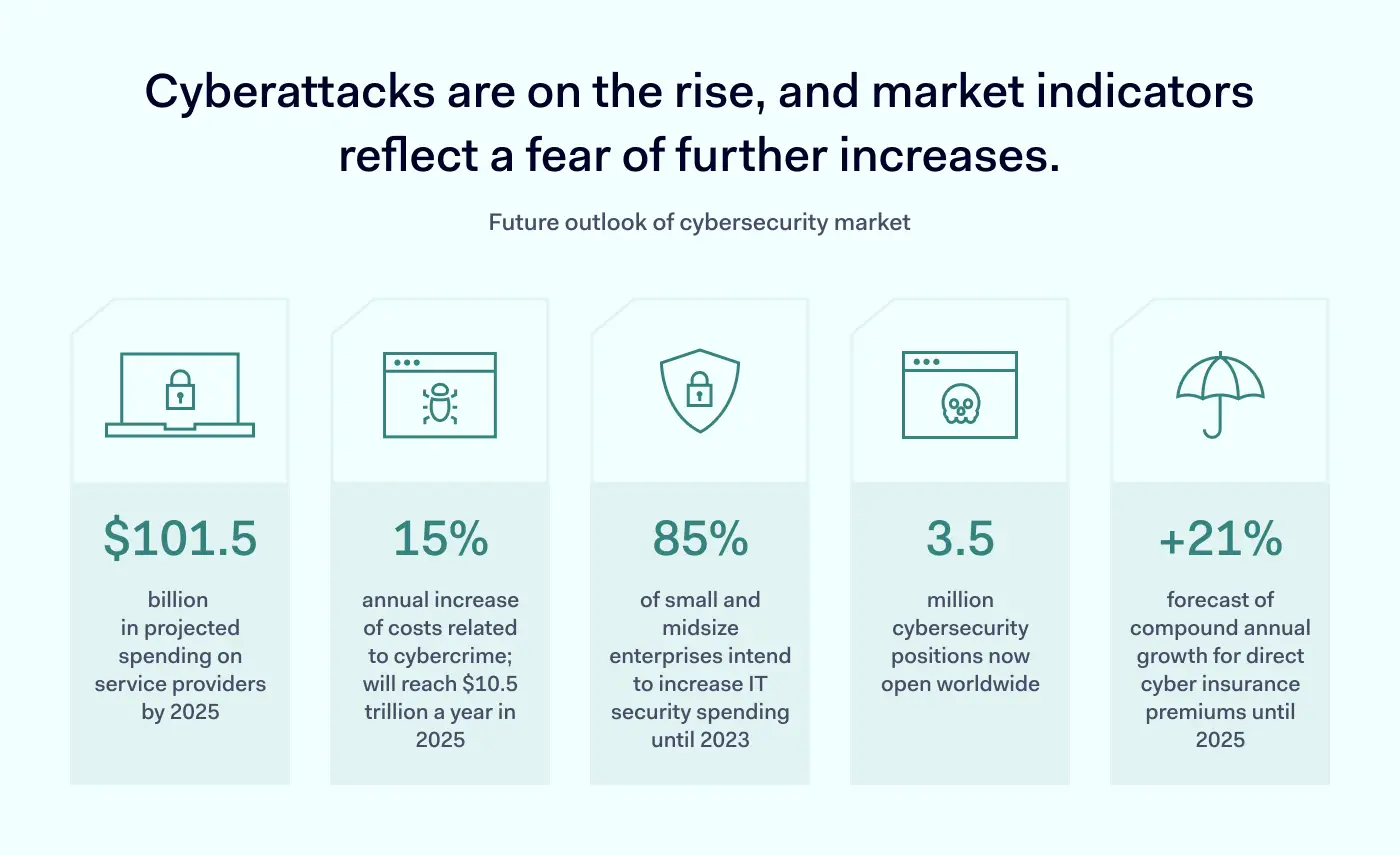
When the key to doing well in business is being able to bounce back, you can’t forget about cybersecurity. These days, keeping your business safe from online problems is just as important as any other basic part of your business. The people who handle IT and the ones who run the business need to work together. If they don’t, your business can’t keep growing because it won’t be safe from new kinds of problems.

What are cybersecurity threats that businesses may face when scaling up?

Expanding a business means making it bigger online, which can lead to more cybersecurity problems. Here are some specific security issues that a business might have while growing:

Cloud problems: When businesses get bigger, they use more cloud services. But these can be weak against cyberattacks. For instance, outsiders might access private data if cloud settings aren’t set up right.

Increased attack surface: When a business grows, its networks, systems, and data increase. Attackers get more chances to break in, causing data leaks.

Insider threats: With more employees, there’s a bigger chance of trouble from insiders. Some might want to intentionally harm the company (like unhappy workers), while others might accidentally cause problems (by clicking on bad links).

Phishing and social engineering: These types of attacks go up as businesses get bigger. Bad actors try to fool employees into sharing secret info.

Third-party vulnerabilities: Growing companies often work with more outside vendors. But these vendors might not have great security. They could open the door to attackers.

Advanced Persistent Threats (APTs): Some attacks never stop and keep trying to break in for a long time. Big companies are often targets for these attacks because they can lead to big rewards.

Distributed Denial-of-Service (DDoS) attacks: Bigger companies might get hit with attacks that flood their systems, causing them to crash.

More complications: Expanding often means adding new tech and software, making things more complex. This can make it tough to keep everything safe and organized.

Regulatory compliance: As businesses get larger, they usually need to follow more rules, especially if they operate in many places. They could expose data and get fined if they don’t follow these rules.

Scaling security: the key to successful growth

When the number of threats increases and their techniques become increasingly sophisticated, this calls for a cybersecurity framework encompassing a scalability and growth plan. This means aligning with current requirements while considering infrastructure modernization for businesses.

Creating a scalable security system ensures that your cybersecurity program can grow with it as your business grows, not lag behind. A scalable security system can anticipate the changing landscape and proactively address potential security risks before they become an issue. Therefore, investing in scalable security is critical to sustainable business growth security.

Scaling your business safely: essential online security measures

As your business grows, it’s important to approach cybersecurity carefully. This helps protect your company from online threats, keep your data private, and follow rules and regulations.

1. Conduct an internal cybersecurity audit

Associative visual for a cybersecurity audit 1400x800

Conducting an internal audit is a crucial first step toward scaling cybersecurity. It helps an organization gain a comprehensive understanding of its existing cybersecurity posture. This includes identifying strengths, weaknesses, and vulnerabilities within the system. Without a clear picture of the current state, it’s challenging to determine where improvements are needed.

The audit also helps to identify potential risks and threats. This involves analyzing the security infrastructure, data handling processes, employee practices, and more. The critical areas that need the most attention can be prioritized by knowing the risks. It ensures that resources are allocated effectively to maximize security.

2. Educate employees

A “human firewall” refers to the idea that employees, through their awareness, knowledge, and actions, can play a crucial role in preventing and mitigating cybersecurity incidents. Employees who are educated about cybersecurity threats, best practices, and policies are better equipped to recognize and respond to potential attacks.

Regular cybersecurity training can help them understand the latest tactics used by cybercriminals and how to avoid falling victim to scams, phishing attempts, and social engineering attacks.

Creating a strong cybersecurity culture within an organization instills the belief that every employee has a role in protecting the company’s data and systems. The organization’s overall security posture improves when cybersecurity is everyone’s responsibility.

3. Strengthen Identity and Access Management (IAM)

As an organization grows, the complexity and scale of its operations also increase. This growth leads to more employees, contractors, partners, and customers accessing various resources and systems within the organization. As a result, the need for effective identity and access management (IAM) becomes paramount.

Different roles and departments have varying access requirements. Therefore, effective IAM ensures that users have appropriate access privileges based on their roles and responsibilities. This avoids granting excessive permissions and reduces the risk of unauthorized access. It’s a fundamental component of any cybersecurity strategy.

4. Use encryption and virtual private networks

Using encryption and virtual private networks (VPNs) is a crucial cybersecurity measure. Encryption helps to safeguard sensitive data by converting it into an unreadable format that can only be decrypted with a specific key or password. This prevents unauthorized access to data, even if it’s intercepted during transit or at rest. Without encryption, sensitive information such as passwords, financial details, and personal details would be vulnerable to theft or unauthorized use.
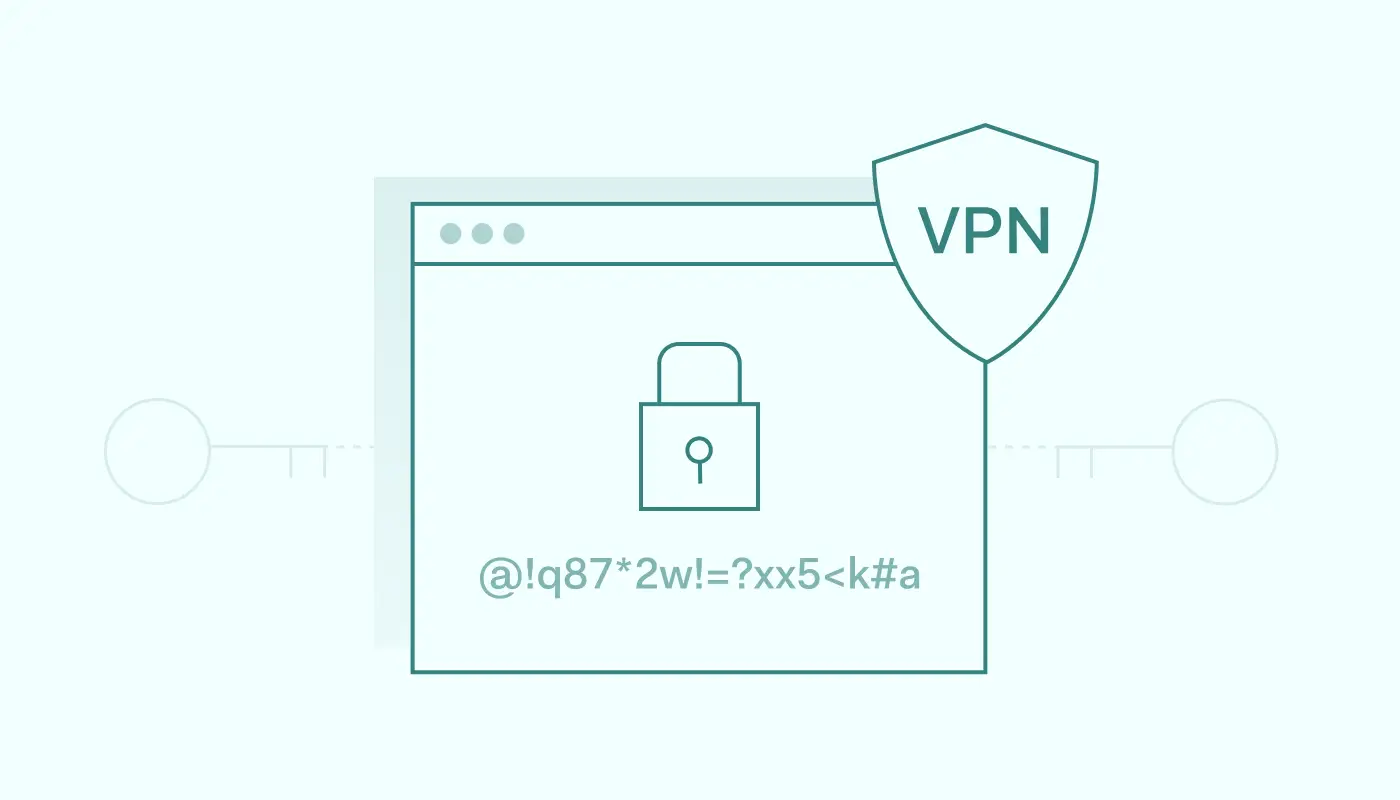
Meanwhile, a business VPN creates a secure tunnel between the user’s device and a remote server, encrypting all data transmitted. This prevents hackers and cybercriminals from eavesdropping on the data being exchanged. It’s particularly important when using public Wi-Fi networks, where data can be easily intercepted without proper security measures.

5. Step up your organization’s compliance alignment

Aligning with compliance requirements is a non-negotiable aspect of scaling cybersecurity. Laws, regulations, and industry standards dictate compliance requirements. Failure to comply leads to legal consequences, including fines, penalties, and lawsuits.

Compliance frameworks are designed to address specific risks and vulnerabilities in the cybersecurity landscape. Regulations like GDPR and HIPAA set certain data privacy and security standards that businesses must adhere to. By meeting these compliance requirements, your business avoids legal complications and demonstrates to clients and customers that you prioritize their data’s security.

6. Implement network segmentation

Associative visual for network segmentation 1400x800

Network segmentation involves dividing your network into multiple segments, each with its security controls. These segments are then isolated, creating barriers that restrict unauthorized access and the lateral movement of attackers within the network. It limits the extent of damage a cyber attacker can cause if they manage to breach your system. It’s vital to a scalable security strategy, protecting your business scales.

Even if hackers access a segmented network, they cannot move laterally across the network. This means that the hackers are trapped within the network segment, giving companies more time to respond to threats and contain the damage.

Protect your business with NordLayer: your cybersecurity partner

As your business expands, keeping it secure becomes crucial. You can take simple steps to ensure your growth is safe. Educating your employees and organizing your network are some of these steps. Working with partners who can grow with you is also smart.

NordLayer is here to help when your business is growing fast. No matter what is your business size or work model, you can keep your network security up to standard.

With NordLayer, you can enable secure access to your cloud platforms. Additional controls and ZTNA-focused contextual checks can be implemented to improve the organization’s security posture further.

Organizations using NordLayer can set up resource access policies with SSO, network segmentation, site-to-site tunnels, and more. There is an audit log for all actions completed within the Control Panel, including gateway connection timestamps helping to keep track of what’s happening within your network.

NordLayer makes your business more secure. Want to know more? Get in touch with our sales team to learn more about our offerings.

About Version 2 Digital

Version 2 Digital is one of the most dynamic IT companies in Asia. The company distributes a wide range of IT products across various areas including cyber security, cloud, data protection, end points, infrastructures, system monitoring, storage, networking, business productivity and communication products.

Through an extensive network of channels, point of sales, resellers, and partnership companies, Version 2 offers quality products and services which are highly acclaimed in the market. Its customers cover a wide spectrum which include Global 1000 enterprises, regional listed companies, different vertical industries, public utilities, Government, a vast number of successful SMEs, and consumers in various Asian cities.

About NordLayer
NordLayer is an adaptive network access security solution for modern businesses – from the world’s most trusted cybersecurity brand, Nord Security.

The web has become a chaotic space where safety and trust have been compromised by cybercrime and data protection issues. Therefore, our team has a global mission to shape a more trusted and peaceful online future for people everywhere.

New Survey Reveals Organizations Are Not Maximizing Their IT Infrastructure Investment Due to Complexity and Unreliability of Current Virtualization Software

Scale Computing Delivers a Simple, Secure, Reliable Alternative to Legacy Virtualization Provider

INDIANAPOLIS – August 16, 2023 – Scale Computing, the market leader in edge computing, virtualization, and hyperconverged solutions, today announced results of a recent survey with Spiceworks Ziff Davis around virtualization. Commissioned by Scale Computing to better understand the changing attitudes towards a major player in the virtualization space, the survey found that many users are unhappy with their current virtualization provider.

Today’s businesses rely on virtualization to drive efficiency for edge and distributed computing. With IT infrastructure costs on the rise, IT leaders and managers need to find the best and most reliable solution for their organization. The survey, conducted by Ziff Davis in May 2023 among 350 VMware users across a variety of job levels, company sizes, and industries in the US and the UK, showed that nearly half of surveyed customers found the value of VMware for the money below expectations. The number of respondents reporting poor value reflected a significant increase from the 2021 survey, which found approximately one-third of customers were dissatisfied with VMware meeting their expectations. The results revealed that users currently spend 16.8 hours a week on average managing and patching VMware solutions — up from 12.3 hours in 2021 — and that VMware organizations suffered from an average 34 hours of downtime in 2023, five hours more than just two years prior.

“More than half of business applications today are virtualized. Organizations need to maximize the potential of their IT infrastructure without worrying about increasing costs and the complexities of modern virtualization solutions. They also need to have confidence in their provider,” said Jeff Ready, CEO and co-founder, Scale Computing. “On investor conference calls, VMware has stated that only 600 of their largest accounts will be prioritized. We know from the survey that nearly 40% of VMware users are concerned with the company’s acquisition. Scale Computing continues to be a leader in both the edge computing and virtualization space because of our innovative and reliable solutions, and we understand how important it is in the current climate to reduce costs and save time. A typical Scale Computing customer sees a reduction in ongoing management costs between 60 and 80 percent. Our hyperconverged approach provides the simple, secure, and affordable virtualization users need.”

Scale Computing Platform (SC//Platform) delivers faster time to value in the data center, in the distributed enterprise, and at the edge. Bringing simplicity, high availability, and scalability together, it replaces the existing infrastructure for running virtual machines with a single easy-to-manage, fully-integrated platform that allows organizations to run applications regardless of any hardware requirements.

Scale Computing is currently offering a no-cost migration service to new customers. To learn more about making the change to Scale Computing’s virtualization solutions, visit scalecomputing.com/vmware-alternative.


About Version 2 Digital

Version 2 Digital is one of the most dynamic IT companies in Asia. The company distributes a wide range of IT products across various areas including cyber security, cloud, data protection, end points, infrastructures, system monitoring, storage, networking, business productivity and communication products.

Through an extensive network of channels, point of sales, resellers, and partnership companies, Version 2 offers quality products and services which are highly acclaimed in the market. Its customers cover a wide spectrum which include Global 1000 enterprises, regional listed companies, different vertical industries, public utilities, Government, a vast number of successful SMEs, and consumers in various Asian cities.

About Scale Computing 
Scale Computing is a leader in edge computing, virtualization, and hyperconverged solutions. Scale Computing HC3 software eliminates the need for traditional virtualization software, disaster recovery software, servers, and shared storage, replacing these with a fully integrated, highly available system for running applications. Using patented HyperCore™ technology, the HC3 self-healing platform automatically identifies, mitigates, and corrects infrastructure problems in real-time, enabling applications to achieve maximum uptime. When ease-of-use, high availability, and TCO matter, Scale Computing HC3 is the ideal infrastructure platform. Read what our customers have to say on Gartner Peer Insights, Spiceworks, TechValidate and TrustRadius.

Black Hat 2023: 人工智能對傳統搜索引擎盈利模式的影響

在 2023 年的 Black Hat 大會開場主題演講中,深入探討了大型語言模型(LLMs)對網絡安全行業及其生態系統所帶來的廣泛影響。演講首先介紹了 Google 和 Microsoft 在人工智能領域的持續投資,特別強調 Microsoft 已單獨投入了 130 億美元的巨額資金。然而,這一龐大數字引發了人們的思考,為何一家企業願意在人工智能領域投入巨額資金?特別是在許多專家、政府和評論家都建議謹慎推進人工智能普及的當下,為何他們卻迅速將其推向市場?

傳統搜索引擎如 Bing 和 Google 會對內容進行索引,並運用演算法來決定搜索引擎結果頁面(SERP)上最相關的結果,同時也會提供一些置頂廣告。如果您是一名內容創作者並擁有網站,那麼您的盈利模式可能包括廣告,或者將內容僅向訂閱者或付費讀者開放。大多數情況下,您可能依賴通過搜索引擎產生的流量,即用戶點擊 SERP 中的連結,然後直接瀏覽您的網站。然而,如果大型語言模型(LLM)負責回答搜索問題,繞過了對 SERP 的需求呢?人工智能通過大量數據來訓練 LLM,使其能夠給你「一個」更人性化的回答。這個回答的內容,可能來自多個不同的網站,但沒有來源出處,也沒有為內容創作者提供盈利的選擇。這已不再僅僅是技術競賽,更涉及如何爭取搜索市場份額並實現盈利。

Microsoft 是最大的搜索引擎供應商之一,但大部分市場份額仍由 Google 佔據。這無疑對一個價值 2,250 億美元的市場產生了巨大影響,這或許解釋了為何要在 AI LLMs 上投資。通過一個單一的回答取代熟悉的搜索結果列表,意味著發出查詢的用戶將永遠停留在這個新的「SERP」頁面上,將所有流量都保留在搜索引擎提供商那裡,從而通過廣告等方式實現盈利。

類似的現象實際上已經出現。例如,新聞內容有時會直接顯示在 SERP 或社交媒體頁面上;儘管有顯示內容出處,但發出查詢的用戶無需訪問新聞網站,因此不會產生廣告或付費閱讀的流量。這可能導致許多內容創作者因缺乏資金而停止提供高質量的信息。如果 LLM 是基於當時可用的內容來回答問題,而內容創作者已停止更新相關內容,那麼人工智能的結果可能會變得比現在更不可靠。為此,加拿大政府已經率先立法,推出了 C-18 法案,以保護新聞內容創作者。該法案強制內容平台和創作者進行談判,為他們的內容獲得補償,從而實現盈利。

為何這一問題最終會影響到網絡安全領域?資金不足可能導致網站擁有人停止更新軟件或支付費用來保護他們的網站,網絡罪犯可以藉此發布操縱 LLM 的內容。在這個過渡期,需要考慮內容創作者所面臨的困境,以確保互聯網仍然是一個盈利來源,也是真實和準確信息的可靠來源。

About Version 2

Version 2 Digital is one of the most dynamic IT companies in Asia. The company distributes a wide range of IT products across various areas including cyber security, cloud, data protection, end points, infrastructures, system monitoring, storage, networking, business productivity and communication products. Through an extensive network of channels, point of sales, resellers, and partnership companies, Version 2 offers quality products and services which are highly acclaimed in the market. Its customers cover a wide spectrum which include Global 1000 enterprises, regional listed companies, different vertical industries, public utilities, Government, a vast number of successful SMEs, and consumers in various Asian cities.

關於ESET
ESET成立於1992年,是一家面向企業與個人用戶的全球性的電腦安全軟件提供商,其獲獎產品 — NOD32防病毒軟件系統,能夠針對各種已知或未知病毒、間諜軟件 (spyware)、rootkits和其他惡意軟件為電腦系統提供實時保護。ESET NOD32佔用 系統資源最少,偵測速度最快,可以提供最有效的保護,並且比其他任何防病毒產品獲得了更多的Virus Bulletin 100獎項。ESET連續五年被評為“德勤高科技快速成長500 強”(Deloitte’s Technology Fast 500)公司,擁有廣泛的合作夥伴網絡,包括佳能、戴爾、微軟等國際知名公司,在布拉迪斯拉發(斯洛伐克)、布裏斯托爾(英國 )、布宜諾斯艾利斯(阿根廷)、布拉格(捷克)、聖地亞哥(美國)等地均設有辦事處,代理機構覆蓋全球超過100個國家。

Black Hat 2023: 人工智能對傳統搜索引擎盈利模式的影響

在 2023 年的 Black Hat 大會開場主題演講中,深入探討了大型語言模型(LLMs)對網絡安全行業及其生態系統所帶來的廣泛影響。演講首先介紹了 Google 和 Microsoft 在人工智能領域的持續投資,特別強調 Microsoft 已單獨投入了 130 億美元的巨額資金。然而,這一龐大數字引發了人們的思考,為何一家企業願意在人工智能領域投入巨額資金?特別是在許多專家、政府和評論家都建議謹慎推進人工智能普及的當下,為何他們卻迅速將其推向市場?

傳統搜索引擎如 Bing 和 Google 會對內容進行索引,並運用演算法來決定搜索引擎結果頁面(SERP)上最相關的結果,同時也會提供一些置頂廣告。如果您是一名內容創作者並擁有網站,那麼您的盈利模式可能包括廣告,或者將內容僅向訂閱者或付費讀者開放。大多數情況下,您可能依賴通過搜索引擎產生的流量,即用戶點擊 SERP 中的連結,然後直接瀏覽您的網站。然而,如果大型語言模型(LLM)負責回答搜索問題,繞過了對 SERP 的需求呢?人工智能通過大量數據來訓練 LLM,使其能夠給你「一個」更人性化的回答。這個回答的內容,可能來自多個不同的網站,但沒有來源出處,也沒有為內容創作者提供盈利的選擇。這已不再僅僅是技術競賽,更涉及如何爭取搜索市場份額並實現盈利。

Microsoft 是最大的搜索引擎供應商之一,但大部分市場份額仍由 Google 佔據。這無疑對一個價值 2,250 億美元的市場產生了巨大影響,這或許解釋了為何要在 AI LLMs 上投資。通過一個單一的回答取代熟悉的搜索結果列表,意味著發出查詢的用戶將永遠停留在這個新的「SERP」頁面上,將所有流量都保留在搜索引擎提供商那裡,從而通過廣告等方式實現盈利。

類似的現象實際上已經出現。例如,新聞內容有時會直接顯示在 SERP 或社交媒體頁面上;儘管有顯示內容出處,但發出查詢的用戶無需訪問新聞網站,因此不會產生廣告或付費閱讀的流量。這可能導致許多內容創作者因缺乏資金而停止提供高質量的信息。如果 LLM 是基於當時可用的內容來回答問題,而內容創作者已停止更新相關內容,那麼人工智能的結果可能會變得比現在更不可靠。為此,加拿大政府已經率先立法,推出了 C-18 法案,以保護新聞內容創作者。該法案強制內容平台和創作者進行談判,為他們的內容獲得補償,從而實現盈利。

為何這一問題最終會影響到網絡安全領域?資金不足可能導致網站擁有人停止更新軟件或支付費用來保護他們的網站,網絡罪犯可以藉此發布操縱 LLM 的內容。在這個過渡期,需要考慮內容創作者所面臨的困境,以確保互聯網仍然是一個盈利來源,也是真實和準確信息的可靠來源。

About Version 2

Version 2 Digital is one of the most dynamic IT companies in Asia. The company distributes a wide range of IT products across various areas including cyber security, cloud, data protection, end points, infrastructures, system monitoring, storage, networking, business productivity and communication products. Through an extensive network of channels, point of sales, resellers, and partnership companies, Version 2 offers quality products and services which are highly acclaimed in the market. Its customers cover a wide spectrum which include Global 1000 enterprises, regional listed companies, different vertical industries, public utilities, Government, a vast number of successful SMEs, and consumers in various Asian cities.

關於ESET
ESET成立於1992年,是一家面向企業與個人用戶的全球性的電腦安全軟件提供商,其獲獎產品 — NOD32防病毒軟件系統,能夠針對各種已知或未知病毒、間諜軟件 (spyware)、rootkits和其他惡意軟件為電腦系統提供實時保護。ESET NOD32佔用 系統資源最少,偵測速度最快,可以提供最有效的保護,並且比其他任何防病毒產品獲得了更多的Virus Bulletin 100獎項。ESET連續五年被評為“德勤高科技快速成長500 強”(Deloitte’s Technology Fast 500)公司,擁有廣泛的合作夥伴網絡,包括佳能、戴爾、微軟等國際知名公司,在布拉迪斯拉發(斯洛伐克)、布裏斯托爾(英國 )、布宜諾斯艾利斯(阿根廷)、布拉格(捷克)、聖地亞哥(美國)等地均設有辦事處,代理機構覆蓋全球超過100個國家。

×

Hello!

Click one of our contacts below to chat on WhatsApp

×