Skip to content

Going Passwordless: How Certificate-Based Authentication Strengthens Access Control & Eliminates Credential Theft

It’s no secret that passwords are a cybersecurity nightmare. They’re reused, phished, stolen, cracked, and, let’s be honest, often forgotten. Despite best efforts, passwords remain the weakest link in enterprise security. Enter certificate-based authentication (CBA), a passwordless approach that not only eliminates the risks of credential theft but also fortifies access control across your networks and applications.

The Problem with Passwords

Passwords have been a necessary evil in cybersecurity for decades, but their flaws are well-documented:

  • Easily Stolen – Phishing attacks, credential stuffing, and brute-force attacks make stealing passwords almost trivial for attackers.
  • Poor User Hygiene – Employees reuse passwords across multiple accounts, making a single breach a gateway to an organization’s entire network.
  • Difficult to Manage – IT teams spend countless hours resetting passwords, responding to account lockouts, and enforcing policies that users constantly try to circumvent.
  • Not Actually Secure – Even complex passwords can be compromised, especially when stored improperly or leaked in a data breach.

It’s clear that relying on passwords is an ongoing security liability. So, how can organizations truly eliminate credential-based threats?

What is Certificate-Based Authentication (CBA)?

Certificate-based authentication is a passwordless authentication method that leverages cryptographic digital certificates to verify a user’s identity. Instead of relying on something easily stolen (like a password), CBA utilizes a combination of:

  1. A private key stored securely on a user’s device
  2. A corresponding public key issued by a trusted certificate authority (CA)

When a user attempts to authenticate, their device presents the certificate, which is validated against a trusted CA. If the certificate is valid and unexpired, access is granted—without a single password involved.

How Going Passwordless with CBA Strengthens Security

Eliminating passwords in favor of certificate-based authentication offers several key security benefits:

1. Eliminates Credential Theft

No passwords mean nothing for attackers to phish, steal, or crack. CBA removes the need for usernames and passwords entirely, eliminating common attack vectors like:

  • Phishing
  • Keylogging
  • Credential stuffing
  • Man-in-the-middle attacks targeting passwords

Since authentication relies on a cryptographic key pair, an attacker would need to physically compromise a user’s device to gain access—an exponentially harder feat than stealing a password.

2. Stronger Access Control Across Networks & Applications

Certificate-based authentication integrates seamlessly with Zero Trust principles by ensuring only authorized, compliant devices can access corporate resources. This makes it ideal for:

  • Network Access Control (NAC) – CBA ensures that only known, secured devices can connect to enterprise networks. If a device lacks a valid certificate, it’s denied access, preventing rogue or compromised devices from entering the environment.
  • Application Security – CBA extends beyond network authentication to cloud and on-prem applications, ensuring that only users with valid certificates can access business-critical systems.
  • Remote & Hybrid Work Security – With CBA, employees don’t need to rely on weak VPN credentials. Their devices authenticate seamlessly to corporate networks and applications, reducing risk in distributed work environments.

3. Reduced IT Burden & Frictionless User Experience

Passwords are a constant headache for IT teams. By replacing them with certificates, organizations can:

  • Eliminate password reset requests, reducing helpdesk costs.
  • Streamline authentication for end-users, removing the need to remember (or reset) complex passwords.
  • Implement a truly frictionless authentication experience that improves security without frustrating employees.

4. Certificates Expire—Passwords Don’t

Unlike passwords, which users often keep unchanged for years, digital certificates have expiration dates. Organizations can enforce automatic certificate renewal policies, ensuring continuous authentication security. If a device is lost or stolen, IT can revoke its certificate, immediately blocking unauthorized access.

Implementing Certificate-Based Authentication for Passwordless Security

So, how do organizations begin leveraging CBA to eliminate passwords and strengthen access control? Here’s a high-level approach:

Step 1: Deploy a Certificate Authority (CA)

A CA is the backbone of certificate-based authentication. Whether managed in-house (via Active Directory Certificate Services) or cloud-based (Microsoft Entra ID, AWS Certificate Manager, etc.), organizations need a trusted CA to issue and validate certificates.

Step 2: Enroll & Distribute Certificates to Devices

IT teams can automate certificate issuance via Mobile Device Management (MDM) solutions, enterprise PKI, or cloud identity providers. Every trusted endpoint—laptops, mobile devices, workstations—gets a unique certificate.

Step 3: Enforce Certificate-Based Authentication for Network & App Access

Once certificates are deployed, organizations must configure their authentication infrastructure to require CBA:

  • 802.1X for Wi-Fi & VPN authentication
  • SAML or OIDC for cloud applications
  • Device posture checks for Zero Trust enforcement

Step 4: Monitor & Manage Certificate Lifecycles

Unlike passwords, certificates must be regularly renewed and revoked when needed. Organizations should implement automated renewal processes and integrate certificate lifecycle management with their security policies.

The Future is Passwordless—And It Starts with CBA

The days of passwords ruling enterprise security are coming to an end. With credential-based attacks at an all-time high, organizations must move beyond outdated authentication models and embrace certificate-based authentication as a foundation for strong access control.

By going passwordless, enterprises gain:

✅ Protection against credential theft and phishing attacks
✅ Seamless, user-friendly authentication experiences
✅ Stronger access control and Zero Trust security enforcement
✅ Reduced IT overhead and password-related costs

In a world where cyber threats constantly evolve, eliminating passwords isn’t just a convenience—it’s a necessity. Certificate-based authentication isn’t the future; it’s the present. Is your organization ready to make the switch?

About Portnox
Portnox provides simple-to-deploy, operate and maintain network access control, security and visibility solutions. Portnox software can be deployed on-premises, as a cloud-delivered service, or in hybrid mode. It is agentless and vendor-agnostic, allowing organizations to maximize their existing network and cybersecurity investments. Hundreds of enterprises around the world rely on Portnox for network visibility, cybersecurity policy enforcement and regulatory compliance. The company has been recognized for its innovations by Info Security Products Guide, Cyber Security Excellence Awards, IoT Innovator Awards, Computing Security Awards, Best of Interop ITX and Cyber Defense Magazine. Portnox has offices in the U.S., Europe and Asia. For information visit http://www.portnox.com, and follow us on Twitter and LinkedIn.。

About Version 2 Digital

Version 2 Digital is one of the most dynamic IT companies in Asia. The company distributes a wide range of IT products across various areas including cyber security, cloud, data protection, end points, infrastructures, system monitoring, storage, networking, business productivity and communication products.

Through an extensive network of channels, point of sales, resellers, and partnership companies, Version 2 offers quality products and services which are highly acclaimed in the market. Its customers cover a wide spectrum which include Global 1000 enterprises, regional listed companies, different vertical industries, public utilities, Government, a vast number of successful SMEs, and consumers in various Asian cities.

Scale Computing Launches New Pricing Tiers to Meet Wider Variety of Needs and Use Cases

Shares New Real-Time Pricing Tool, Delivering Instant, Transparent, and Upfront Pricing

INDIANAPOLIS – February 18, 2025 – Scale Computing, the market leader in edge computing, virtualization, and hyperconverged solutions, today announced new tailored pricing tiers that include entry level pricing with scalable options to meet the needs of customers and partners with a wide variety of budgets and use cases. The company also announced the launch of its new Scale Computing Pricing Tool. The real-time pricing tool, now live on the Scale Computing website, enables users to customize hyperconverged solution options and receive an instant, transparent quote.

“Broadcom’s acquisition of VMware has created uncertainty in the market with escalating costs and unpredictable changes, leading organizations everywhere to seek alternative virtualization solutions. At Scale Computing, we pride ourselves on providing innovative infrastructure solutions and straightforward, tailored, upfront pricing—with no hidden fees. Organizations navigating the virtualization market shift can now take advantage of our new licensing tiers, which deliver award-winning virtualization technology priced to meet the use cases and budget needs of organizations of all sizes. Paired with our easy-to-use pricing tool, we’re making it easier than ever to find the perfect IT infrastructure and virtualization solution,” said Jeff Ready, CEO and co-founder of Scale Computing.

Scale Computing’s new licensing tiers deliver the company’s award-winning IT infrastructure with tailored, transparent pricing and include:

  1. Professional Essentials: A cost-effective 3-node virtualization solution with 256GB RAM per node, designed for small and medium-sized businesses (SMBs) seeking to modernize IT infrastructure.
  2. Standard: Reliable, affordable solutions with essential IT features, including HyperCore virtualization and software-defined distributed storage.
  3. Professional: Advanced tools like replication and GPU virtualization for AI applications and businesses ready to scale.

Scale Computing’s real-time pricing tool enables users to:

  • Instantly configure solutions to match the organization’s needs.
  • Compare options and receive clear, upfront quotes.
  • Enjoy transparent pricing with no hidden fees.

Scale Computing Platform (SC//Platform) replaces virtualization software, disaster recovery software, servers, and shared storage with a fully integrated, highly available system. The leading hyperconverged infrastructure solution for small and midsize organizations, and the distributed enterprise, SC//Platform delivers simplicity combined with high availability, near turn-key deployment, seamless scalability, disaster recovery, and non-disruptive rolling updates. The company recently unveiled the Scale Computing Total Cost of Ownership (TCO) Calculator, a free online tool for estimating the cost savings customers can achieve by migrating application workloads to SC//Platform. Easy to use and easy to maintain, the award-winning SC//Platform reduces TCO by 40% thanks to its more efficient resource management and lower licensing costs.

Scale Computing is currently offering two promotions to further ease the transition from VMware to SC//Platform, including a 25% software and services discount for new customers through its VMware Rip & Replace offer, and a full system exchange trade-up plus no-cost coverage for the remaining VMware term with the Seamless Switch: Trade-Up to Scale Computing promotion.

To learn more about Scale Computing’s new pricing tool, please visit scalecomputing.com/pricing-tool.

About Scale Computing 
Scale Computing is a leader in edge computing, virtualization, and hyperconverged solutions. Scale Computing HC3 software eliminates the need for traditional virtualization software, disaster recovery software, servers, and shared storage, replacing these with a fully integrated, highly available system for running applications. Using patented HyperCore™ technology, the HC3 self-healing platform automatically identifies, mitigates, and corrects infrastructure problems in real-time, enabling applications to achieve maximum uptime. When ease-of-use, high availability, and TCO matter, Scale Computing HC3 is the ideal infrastructure platform. Read what our customers have to say on Gartner Peer Insights, Spiceworks, TechValidate and TrustRadius.

About Version 2 Digital

Version 2 Digital is one of the most dynamic IT companies in Asia. The company distributes a wide range of IT products across various areas including cyber security, cloud, data protection, end points, infrastructures, system monitoring, storage, networking, business productivity and communication products.

Through an extensive network of channels, point of sales, resellers, and partnership companies, Version 2 offers quality products and services which are highly acclaimed in the market. Its customers cover a wide spectrum which include Global 1000 enterprises, regional listed companies, different vertical industries, public utilities, Government, a vast number of successful SMEs, and consumers in various Asian cities.

Goodbye Windows 10, Hello Windows 11: Windows End of Life


Microsoft has made it official—Windows 10 support ends on October 14, 2025.  

Here’s what that means for you.  

  • No more free monthly updates or bug fixes: Your OS will no longer receive critical patches to address vulnerabilities.  
  • No more feature updates: You’ll miss out on tech advancements that streamline workflows and keep you competitive.  
  • Security risks: Without ongoing support, systems running Windows 10 will face increased exposure to cyber threats. 

IT professionals and their organizations face a critical decision.  

Should they stick with an outdated system or embrace the future with Windows 11? 

Making the transition from Windows 10 to Windows 11 isn’t just about meeting deadlines or purchasing the latest upgrade. 

It’s about seizing an opportunity to enhance security, productivity, and compatibility in a rapidly evolving workplace. 

Using insights from Parallels Desktop usage data, I uncovered how businesses are adapting to the change, why Windows 11 matters, and the steps you need to take to prepare.  

Start your Parallels Desktop Pro free 14-day trial today and stay one step ahead of the game. 

The shift from Windows 10 to Windows 11 is happening in virtual machines 

Our data is clear—Windows 11 adoption is rising.  

Over the last two years, Windows 11 usage in Parallels Desktop virtual machines has grown dramatically from 74% to 91%, while Windows 10 has steeply declined from 26% to just 9%.  

However, not all businesses are making the shift.  

Why?  

One word: hardware.  

Businesses are struggling to migrate to Windows 11 of the more advanced hardware requirements of Windows 11.  

Legacy PCs or older PCs generally don’t meet the requirements for Windows 11. 

Unlike Windows 10, Windows 11 features like the Trusted Platform Module (TPM) 2.0, enhanced security protocols, and high-performance capabilities necessitate the latest processors and chipsets.  

These are more common in newer PCs that many organizations have yet to adopt.  

This is where virtualization shines (at least if you have Macs available). 

With virtualization tools like Parallels Desktop, running Windows 11 on older or Intel-based Macs becomes seamless.  

If you are an IT admin or otherwise responsible for your organization’s fleet, you can swap out legacy PCs for Intel or silicon Macs equipped with Parallels Desktop.  

Parallels Desktop allows Mac users to run Windows 11 efficiently, without hardware limitations.  

Parallels Desktop gives businesses a quick, cost-effective path to modernization without needing to buy new PCs.  

If new devices are in the budget, businesses have the flexibility to consider purchasing Macs plus Parallels Desktop can get the best of both worlds. 

For IT leaders who need to manage multiple licenses or a fleet of Macs at their organization, Parallels Desktop Business Edition or Parallels Desktop Enterprise Edition are the solutions you need. 

See what hardware you need to run Windows 11 vs Windows 10 on Intel Macs or Macs with Apple silicon with Parallels Desktop.  

Apple silicon Macs and Windows 11—A perfect pair 

The transition is even more striking among businesses using Apple silicon Macs. 

  • 97% of Apple silicon Mac users running Parallels Desktop run Windows 11 VMs versus 54% running Windows 10 VMs. * 
  • Meanwhile, Intel-based Mac users demonstrate slower adoption, with 55% of them using Windows 11 VMs. 

Why the difference? 

The performance and efficiency of Apple silicon, coupled with Windows 11’s advanced features, are creating a powerful synergy that forward-thinking businesses can’t afford to ignore. 

Why upgrading to Windows 11 matters  

Switching from Windows 10 to Windows 11 isn’t just about avoiding disruption. It’s a strategic move designed to help organizations thrive in an evolving tech landscape.  

Here’s what’s at stake when you make the leap.  

1. Enhanced security 

Cyberattacks and ransomware threats have doubled in recent years, and Windows 11’s zero-trust security model directly addresses these challenges.  

For example, when the Log4Shell outbreak hit, over 50% of affected installations were already end-of-support on Day 0. These systems, previously overlooked for upgrades, became critical overnight.   

By using TPM 2.0 and encryption features, the OS keeps your data safer than ever—a necessity for businesses of all sizes. 

Aleksandr Sursiakov, Senior Director of Product Management, shared his thoughts, “Software and hardware upgrades are often deprioritized to optimize expenses, but EoL and EoS deadlines pose serious cybersecurity risks. Once EoL passes, vulnerabilities may be exposed and exploited immediately without patches. Organizations should plan transitions 6 to12 months in advance, as upgrades and procurement take time and should be phased to prevent disruptions. If upgrades aren’t feasible, sandboxing mitigation strategies like virtualization, remote access, or browser isolation can help. Some vendors also offer costly extended support for those unable to meet deadlines.”   

2. Improved productivity 

Streamlined interfaces and advanced features available in Windows 11 empower teams to work smarter, not harder.  

Features like Snap Layouts, Widgets, and Microsoft Teams integrations support multitasking and collaboration to simplify the workflows that drive productivity. 

3. Future-proofed compatibility 

Software vendors are prioritizing Windows 11 since staying on older systems like Windows 10 could lead to compatibility issues.  

As the Windows 10 support deadline grows near, software updates, driver support, and even security patches will become less frequent.  

By upgrading to Windows 11, businesses ensure that they will continue to benefit from improved security and receive the latest updates, support, and compatibility with third-party applications.  

How to prepare for the transition from Windows 10 to Windows 11 

Transitioning from Windows 10 to Windows 11 on a Mac doesn’t have to be a struggle if you have a Parallels Desktop license.  

Follow these steps to ensure an easy migration for your Macs and teams. 

1. Back up your data  

Before making changes, back up your files. Use an external drive or trusted cloud storage solution to safeguard your data.  

2. Install and set up Parallels Desktop 

Want to run Windows 11? No problem if you have a Mac and a Parallels Desktop license. 

With Parallels Desktop installed, you can quickly set up Windows 11—whether you’re working on a Mac with Intel or Apple silicon.  

3. Installs Window 11 

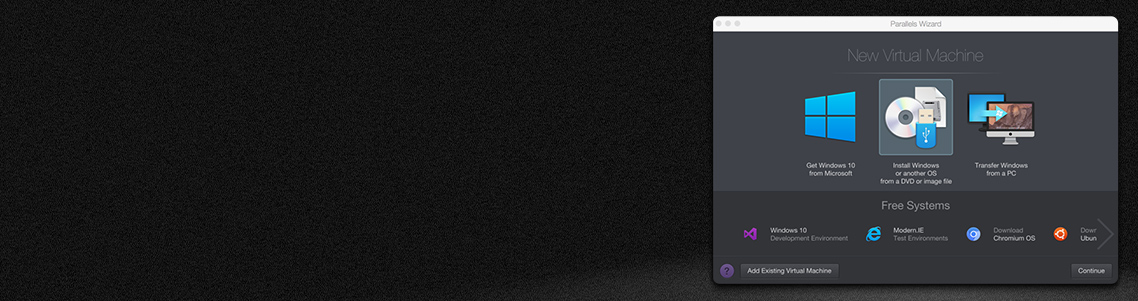
Once you have Parallels Desktop installed, you must install Windows 11 in a virtual machine on your Mac.  

The time to make the move to Windows 11 is now  

The shift from Windows 10 to Windows 11 marks a key inflection point for both individuals and businesses, and the Parallels Desktop data sends a clear message about the future of work and the software that powers it.  

With the support deadline for Windows 10 quickly approaching, now is the time to act and prioritize solutions that ensure your organization is ready for the change.  

The data is evident—those leading the charge toward Windows 11 adoption are already reaping the benefits of heightened security, improved collaboration, and long-term compatibility.  

Stepping into the future early secures your spot in an evolving workplace driven by innovation.  

Businesses that adopt Windows 11 early are positioning themselves for success in 2025 and beyond 

Looking for an affordable, quick way to run Windows 11 on virtual machines on MacBooks?  

With Parallels Desktop, you can leave expensive hardware upgrades behind while keeping pace with industry-leading trends.  

Start your Parallels Desktop Pro free 14-day trial today and stay one step ahead of the game. 

If you’re interested in an IT-managed solution, please reach out to our sales team for a conversation about Parallels Desktop Enterprise Edition

*Note that Parallels Desktop users can run more than one Windows VM on the same MacBook, so the total percentage may exceed 100%. 


About Parallels 
Parallels® is a global leader in cross-platform solutions, enabling businesses and individuals to access and use the applications and files they need on any device or operating system. Parallels helps customers leverage the best technology available, whether it’s Windows, Linux, macOS, iOS, Android or the cloud.

About Version 2 Digital

Version 2 Digital is one of the most dynamic IT companies in Asia. The company distributes a wide range of IT products across various areas including cyber security, cloud, data protection, end points, infrastructures, system monitoring, storage, networking, business productivity and communication products.

Through an extensive network of channels, point of sales, resellers, and partnership companies, Version 2 offers quality products and services which are highly acclaimed in the market. Its customers cover a wide spectrum which include Global 1000 enterprises, regional listed companies, different vertical industries, public utilities, Government, a vast number of successful SMEs, and consumers in various Asian cities.

How often should you change your password?

Why you should change your passwords regularly

Passwords are like the unsung heroes of your online life—until they’re not. If you’re still rocking the same password from 3 years ago, it’s probably time for a change. Why? Because data breaches are happening all the time, and leaked passwords often end up on the dark web. If your long-loved password is on one of those lists, someone could be snooping through your accounts before you’ve even had your morning coffee.

And then there’s the whole password-guessing game. Hackers have tools that can crack weak passwords faster than you can say “123456.” Speaking of “123456,” the more your password looks like it, the easier it is to break. Regular updates make it harder for hackers to guess passwords, keeping your accounts locked tight.

Let’s not forget password reuse—a habit many are guilty of. Using the same password across multiple accounts is like giving every lock in your life the same key. If one account is breached, the others might as well. And so, using a unique password for each of your accounts helps protect the others if one is compromised.

And sometimes, things just happen—phishing scams, suspicious downloads, and maybe even that sketchy Wi-Fi you connected to at the café last week. Regularly updating your passwords helps you stay ahead of any sneaky situations you might not even know about.

How often should passwords be changed?

Figuring out how often to change your passwords can feel a bit like guessing how often to replace your toothbrush—not too often, but definitely not never. Here’s a quick breakdown by account type to help you decide.

Workplace accounts

For work-related accounts, follow your company’s IT guidelines or security policies. Many organizations rely on recommendations from the National Institute of Standards and Technology (NIST), which suggests focusing on strong, unique passwords and changing them only if there’s a specific reason, like a breach or suspected compromise. However, some workplaces may still require regular updates every 60–90 days, so check with your employer.

Personal accounts

For your personal accounts, how often passwords should be changed depends on how sensitive the information is and how often you use the account. Online shopping? Maybe once a year unless there’s a breach. Social media? The same rule applies. But for accounts with access to private photos, communications, or personal data, like cloud storage or subscriptions, consider changing passwords every 6–12 months.

High-risk accounts

High-risk accounts—like your bank, healthcare portals, or email—deserve extra attention. It’s a good idea to change these passwords every 3–6 months. And don’t wait for a breach—make it part of your routine. If your email password gets compromised, it could be a direct line to resetting your passwords on dozens of other accounts, including the high-risk ones.

Inactive accounts

For accounts you rarely use (or forgot they even existed), it’s better to delete them entirely if possible. An unused account with an old, weak password can be a jackpot for hackers. If account deletion isn’t an option, at least update the password to something very strong and unique. This will minimize the chances of an old account being a weak link in your security chain.

By adjusting your password habits based on the type of account, you can strike a balance between staying secure and not feeling like you’re constantly changing passwords for no reason.


Signs that it’s time to update your password immediately

Sometimes, waiting for your next scheduled password update isn’t an option. If any of the situations below sound familiar, it’s time to take action and update your password right away.

You receive a data breach notification

If you get an email or see news that a service you use has been hacked, change your password for that account immediately. Bonus tip: If you’ve reused that password elsewhere (we’ve all done it), update those accounts too.

You notice unusual activity on your account

Strange logins from unfamiliar locations? Messages you didn’t authorize? These are major red flags that someone might already have access to your account. Change your password right away to regain control and lock them out.

Your password has been shared

Whether you’ve shared your password with a friend, family member, or colleague, you’ve made it not only yours. And the more people who know your password, the less secure it becomes. If you’ve shared it even once with someone you trust, make sure to update it sooner rather than later.

You’ve used the same password for too long

Even the best passwords can wear out their welcome. If you can’t remember the last time you’ve changed your password, it’s probably been in use for too long. So, don’t wait for any signs of trouble—go ahead and change it now.

You fell for a phishing attempt

If you’ve clicked a suspicious link or entered your password on a fake website, assume it’s compromised and change it immediately. This is especially important for your email and other high-risk accounts.

Your device was lost or stolen

If your phone, laptop, or tablet is missing—and it’s not protected by strong passwords or encryption—update the passwords for any accounts logged in on that device. This ensures the attacker can’t access your accounts, even if they manage to unlock your device.

Common myths about frequent password changes

Password advice is everywhere, but not all of it is helpful—or true. Let’s debunk some of the most common myths about how often you should change your passwords.

You need to change your password every 30 days

Unless your password has been compromised (or you’re dealing with a super-sensitive work account), there’s no need to change it monthly. Frequent changes can actually backfire, leading people to use simpler passwords they can remember easily (and hackers can guess just as easily). Focus on having strong, unique passwords instead of following a rigid schedule.

A slight tweak counts as changing your password

Swapping “Password123” for “Password124” doesn’t fool anyone—especially not hackers. Small changes like this are just as predictable as the original password. When it’s time to update, go for something entirely new and unrelated.

Password managers make frequent changes unnecessary

Password managers do a great job of keeping your credentials safe and unique, but that doesn’t mean you can forget about updates. If one of your accounts is involved in a breach, you still need to change that password ASAP—your password manager just makes it easier to do so

Tips for managing and regularly updating passwords with ease

Keeping track of passwords and updating them doesn’t have to feel like a chore. With the right strategies, you can simplify the process and boost your security. Here are some tips to help you stay on top of it all:

Use a password manager

A password manager is a game-changer for keeping your accounts secure. It stores all your passwords securely, generates strong and unique ones for every account, and even fills them in for you. By combining zero-knowledge architecture and encryption technology, password managers like NordPass allow you to securely access your credentials and reduce the chances of a malicious party taking over your vault.

NordPass uses the XChaCha20 algorithm to encrypt your data directly on your device so that when it reaches cloud servers, it cannot be opened without your Master Password. In addition to your secure vault, you’ll also have access to features that help strengthen your data security, such as Password Health, which checks for weak or reused passwords, and Data Breach Scanner, which alerts you if you’re affected by a password data leak.

Set reminders for regular changes

Life gets busy, and sometimes it’s easy to forget about updating your passwords. Set reminders every 6–12 months for personal accounts or more frequently for high-risk ones. You can use calendar apps or even your password manager to nudge you when it’s time for a refresh.

Create strong passwords

When updating passwords, aim for a mix of upper- and lowercase letters, numbers, and special characters. Avoid predictable patterns like “password” or “1234.” A password manager can generate complex ones for you, but if you want to stick to doing things manually, try using passphrases—random combinations of unrelated words (e.g., “BlueTurtleDrums$23”).

Avoid password reuse

As we’ve mentioned before, using the same password across multiple accounts is a big no-no. If one account is breached, hackers can use that password to access others. So, always create unique passwords for every account, and let your password manager handle the juggling act.

Try passkeys

Passkeys rely on a pair of cryptographic keys: a private key saved on the user’s device and a public key stored on the website’s server. When the two keys are successfully matched, often triggered by biometric authentication, access is granted. They’re easier to use and nearly impossible for hackers to steal. If an account offers passkeys as an option, consider switching—it’s a big step toward better security.


About NordPass
NordPass is developed by Nord Security, a company leading the global market of cybersecurity products.

The web has become a chaotic space where safety and trust have been compromised by cybercrime and data protection issues. Therefore, our team has a global mission to shape a more trusted and peaceful online future for people everywhere.

About Version 2 Digital

Version 2 Digital is one of the most dynamic IT companies in Asia. The company distributes a wide range of IT products across various areas including cyber security, cloud, data protection, end points, infrastructures, system monitoring, storage, networking, business productivity and communication products.

Through an extensive network of channels, point of sales, resellers, and partnership companies, Version 2 offers quality products and services which are highly acclaimed in the market. Its customers cover a wide spectrum which include Global 1000 enterprises, regional listed companies, different vertical industries, public utilities, Government, a vast number of successful SMEs, and consumers in various Asian cities.

Network security tips for remote employees

Summary: This guide provides practical security tips for remote workers to protect sensitive data and avoid cyber threats while working remotely.

Even though the times of COVID-19 feel like a thing of the past, remote work is here to stay for businesses of all sizes. According to recent Gallup studies, as of January 2025, 27% of U.S. employees with remote-capable jobs are fully remote, and 53% work based on a hybrid model. While this shift brings flexibility and convenience, it also introduces new challenges—especially when it comes to securing sensitive data and preventing cyber threats, such as a potential data breach.

Employees working remotely often use personal devices, connect to unsecured Wi-Fi networks, and access company systems from a distance, making them prime targets for cyber-attacks. In this guide, we’ll explore common security risks for the remote workforce and provide actionable tips to protect the company’s information.

Common risks associated with working remotely

While remote work provides flexibility, it also exposes employees and businesses to a variety of cyber threats. Here are some common risks remote workers face:

Unsecured Wi-Fi networks

Using public Wi-Fi in coffee shops, airports, or coworking spaces can expose remote workers to cyber threats. Unsecured Wi-Fi networks make it easier for attackers to intercept sensitive data like login credentials and personal information, increasing the risk of a data breach.

Phishing attacks

Imagine receiving an email that claims to be from your HR department, asking for your login credentials. This is a phishing attack. Remote workers often rely on email for communication, making them more susceptible to phishing scams. Cybercriminals use deceptive emails like this to trick users into sharing sensitive information or downloading malicious software.

Insecure personal devices

With many employees working remotely, it’s crucial to ensure all work devices are properly secured against cyber threats. Laptops, tablets, or smartphones may lack the same level of security measures as company-issued devices protected by antivirus software or firewalls. This makes them more vulnerable to malware infections and unauthorized access.

Weak passwords

Using weak or reused passwords creates significant vulnerabilities for data security. If a remote employee’s password is compromised, attackers can gain access to sensitive information or corporate systems. Complex, unique passwords are essential to prevent easy access for cybercriminals, especially in the context of remote work.

Lack of multi-factor authentication (MFA)

Without MFA, accounts are protected by only one layer of security. This makes it easier for malicious actors to break in if passwords are stolen or guessed. MFA adds an extra layer of protection by requiring two or more forms of verification, such as a password and a one-time code sent to a mobile device. This reduces the chances of unauthorized access, even if a password is compromised.

Unprotected endpoints

Many remote workers operate without VPNs, endpoint detection tools, or security monitoring, leaving their devices vulnerable to malware, ransomware, and unauthorized access. Without proper security measures, attackers can easily exploit unprotected endpoints to infiltrate company systems.

Shadow IT risks

Employees using unauthorized apps or personal cloud storage (e.g., Google Drive, Dropbox) for work can bypass security controls, increasing the risk of data leaks and compliance violations. Without IT oversight, sensitive company data may be stored or shared in unsecured environments, making it an easy target for cybercriminals.

Best practices to stay safe when working remotely

Now that we’ve covered the risks, let’s explore some practical steps you can take to protect both yourself and your company while working remotely.

How to protect your data while working remotely

Implementing security measures doesn’t have to be complicated. By following these best practices, remote employees can safeguard their devices and data from potential threats:

1. Use a Virtual Private Network (VPN)

A VPN encrypts internet traffic, ensuring sensitive data remains secure even on unsecured Wi-Fi networks. By masking your IP address, a VPN adds an extra layer of protection, keeping cybercriminals at bay.

For example, if you’re working from a coffee shop and connected to a public Wi-Fi network, using a VPN can enhance your data security by encrypting your connection and preventing attackers from intercepting your information.

2. Enable multi-factor authentication (MFA)

As explained earlier, MFA requires users to verify their identity using multiple factors, such as a password and a one-time code sent to their mobile device. This simple step significantly reduces the risk of unauthorized access.

3. Secure personal devices

Ensure that personal devices used for work are equipped with up-to-date antivirus software, firewalls, and regular security updates. Strong passwords and screen locks should also be enabled to prevent unauthorized access.

4. Avoid public Wi-Fi

Whenever possible, avoid connecting to public Wi-Fi networks. If you must use them, always connect via a VPN to encrypt your traffic. Alternatively, consider using your mobile device’s hotspot for a more secure connection.

5. Regularly update software and applications

Outdated software often contains vulnerabilities that malicious actors can exploit. Remote workers should enable automatic updates for operating systems, browsers, and work-related applications to stay protected.

6. Practice strong password hygiene

Use unique, complex passwords for every account and update them regularly. Consider using a password manager to generate and store passwords securely. This reduces the risk of weak or reused passwords being exploited.

7. Be vigilant against phishing

Educate yourself on how to recognize phishing emails. Avoid clicking on suspicious links or downloading unknown attachments. When in doubt, verify the sender’s identity by contacting them through a different communication channel.

8. Limit remote access

Use secure remote access solutions to restrict who can access company systems. Employ Role-Based Access Control (RBAC) to ensure employees only have access to the data and applications relevant to their job roles—this applies not only to remote work but to all access scenarios.

9. Encrypt sensitive information

Ensure that sensitive data is encrypted both in transit and at rest. Using HTTPS for web applications and secure file-sharing platforms can help protect data from unauthorized access. For stronger protection, consider using encryption methods like AES-256 or ChaCha20, which are widely recognized for their security and efficiency.

10. Monitor and log activity

Real-time monitoring and logging of network activity help detect and respond to suspicious behavior. For example, if multiple failed login attempts are detected, security teams can take action to prevent a potential breach.

How NordLayer can help

NordLayer is designed to tackle the unique security challenges of remote work, with all its features and technologies contributing to Zero Trust Network Access (ZTNA) framework. Here’s how NordLayer strengthens network security for remote employees:

  • Virtual Private Network (VPN). With NordLayer’s Business VPN, remote workers can securely connect to company networks, even on public Wi-Fi. This ensures that confidential information remains encrypted and protected from cyber threats.
  • Cloud Firewall. NordLayer’s Cloud Firewall filters incoming and outgoing traffic, blocking malicious activity before it can reach your network. This added layer of protection is essential for remote workforce accessing company systems.
  • Multi-factor authentication (MFA). NordLayer supports MFA, adding an extra layer of security for remote workers. By requiring additional verification, MFA ensures that only authorized users can access company resources.
  • Comprehensive monitoring and logging. NordLayer’s real-time monitoring tools provide visibility into network activity, helping organizations quickly detect and respond to potential security threats. This feature ensures continuous protection for employees working remotely.
  • Secure remote access. NordLayer’s Site-to-Site and Smart Remote Access (Cloud LAN) solutions enable secure connections to hybrid networks or specific devices. These technologies ensure remote employees can access essential resources safely and efficiently, without compromising security.
  • Seamless integration. NordLayer is easy to deploy and integrates with existing IT infrastructure, making it an ideal solution for businesses looking to strengthen network security without disrupting operations.

Remote work is here to stay, and so are the cybersecurity risks that come with it. By following these best practices and using robust solutions, businesses can protect sensitive data, maintain employee productivity, and stay one step ahead of cyber threats.

Secure your remote workforce today—because protecting sensitive information is a responsibility every organization should prioritize.

About NordLayer
NordLayer is an adaptive network access security solution for modern businesses – from the world’s most trusted cybersecurity brand, Nord Security.

The web has become a chaotic space where safety and trust have been compromised by cybercrime and data protection issues. Therefore, our team has a global mission to shape a more trusted and peaceful online future for people everywhere.

About Version 2 Digital

Version 2 Digital is one of the most dynamic IT companies in Asia. The company distributes a wide range of IT products across various areas including cyber security, cloud, data protection, end points, infrastructures, system monitoring, storage, networking, business productivity and communication products.

Through an extensive network of channels, point of sales, resellers, and partnership companies, Version 2 offers quality products and services which are highly acclaimed in the market. Its customers cover a wide spectrum which include Global 1000 enterprises, regional listed companies, different vertical industries, public utilities, Government, a vast number of successful SMEs, and consumers in various Asian cities.

×

Hello!

Click one of our contacts below to chat on WhatsApp

×